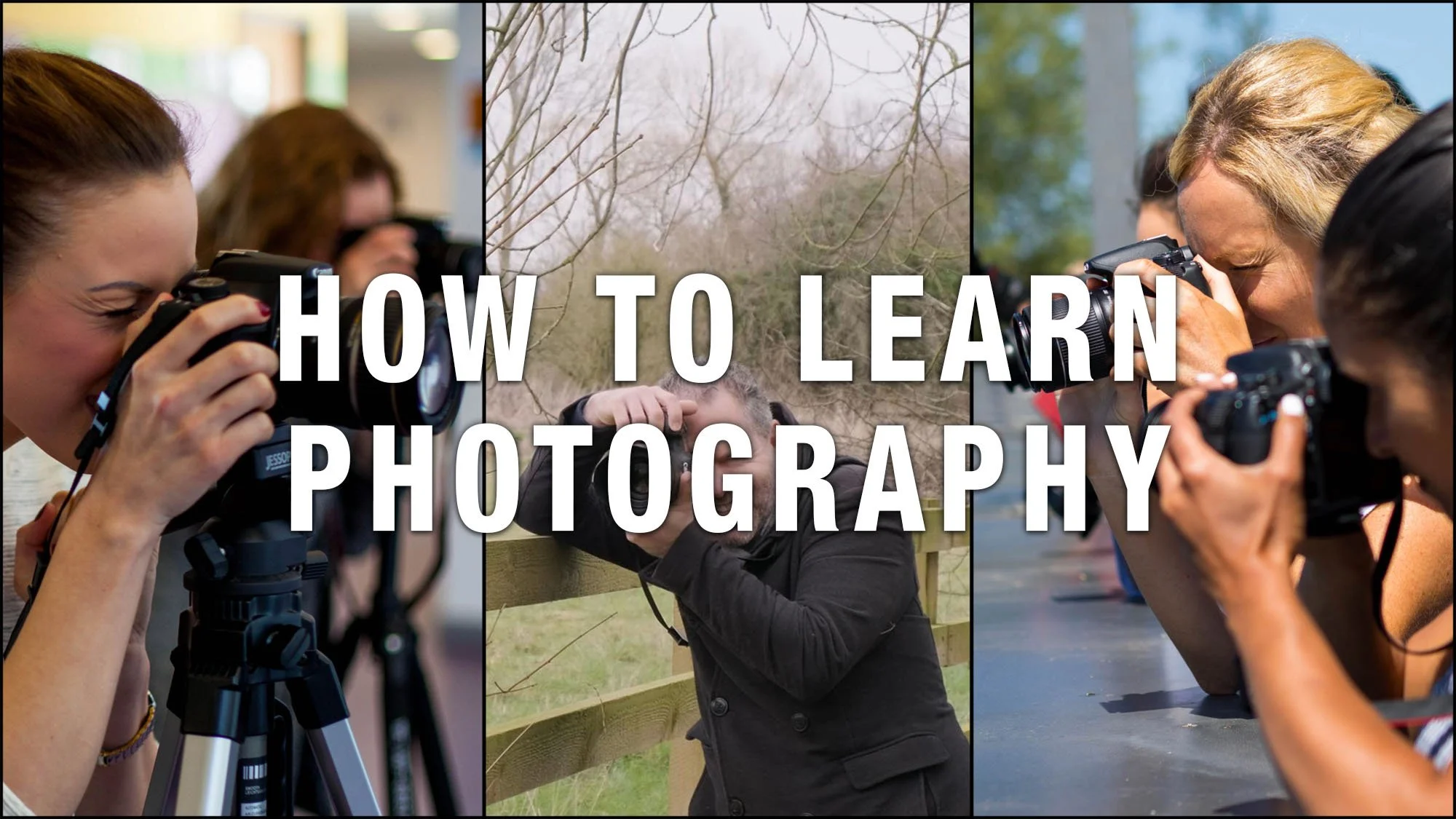
How to Learn Photography
To learn photography, start by understanding the exposure triangle — aperture, shutter speed and ISO — then practise shooting in manual mode. Study light, apply simple composition techniques and review your results consistently. Structured learning combined with regular practice is the fastest way to become confident with your camera.
Learning photography doesn’t need to feel overwhelming. At The School of Photography, we teach a clear, step-by-step approach that removes confusion and builds real confidence behind the camera.
Below, we answer the most common questions beginners ask.
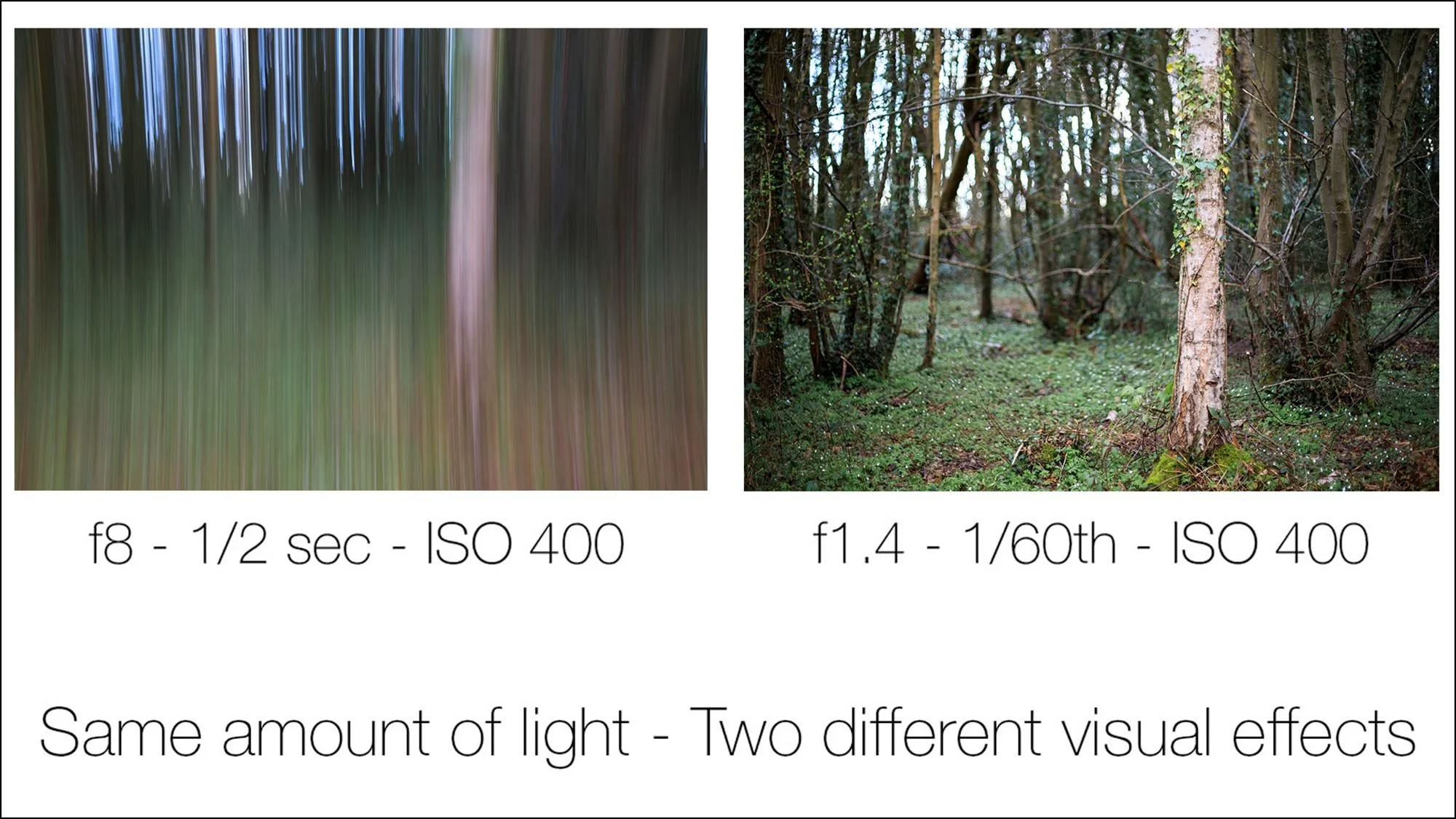
Same exposure achieved using different aperture and shutter speed combinations.
How Do I Start Learning Photography?
Start with the fundamentals.
Focus on:
Aperture
Shutter Speed
ISO
These three-settings control exposure and form the foundation of photography.
Once you understand how they work together, move to manual mode and begin applying what you learn in real shooting situations.
Avoid jumping between random tutorials. Follow a structured path.
Get access to ALL our online courses - 1000’s of videos, worksheets, critiques of students work, personalised support and much more with our monthly membership.
What Are the Basics of Photography?
The core basics every beginner must understand are:
Exposure (Aperture, Shutter Speed, ISO)
Depth of Field
Composition
Lighting
Focus
White Balance
Mastering these fundamentals gives you creative control instead of relying on automatic settings.
At The School of Photography, we ensure students fully understand these essentials before progressing to advanced techniques.
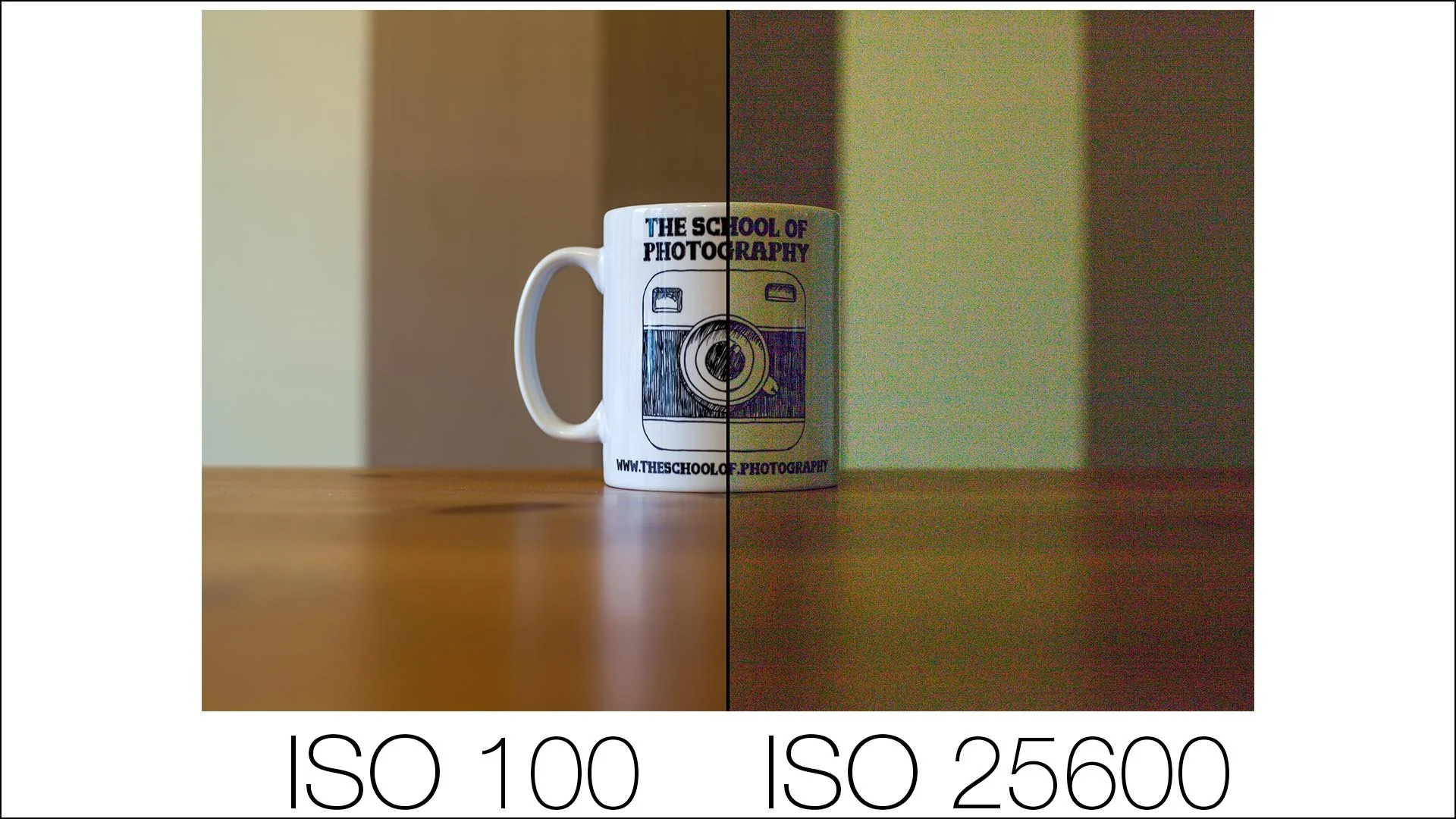
Higher ISO increases brightness but also introduces digital noise and grain.
What Is the Best Way to Learn Photography?
The best way to learn photography is to combine structured lessons with practical assignments.
An effective learning process looks like this:
Learn one concept
Apply it immediately
Review your results
Improve and repeat
Photography is a practical skill. Reading alone is not enough — you must shoot regularly.

Different light sources — natural, flash and artificial — create completely different moods and visual results.
Can I Teach Myself Photography?
Yes, you can teach yourself photography.
However, self-teaching often leads to knowledge gaps and slow progress if there is no clear structure.
A structured course helps by:
Teaching skills in logical order
Providing guided exercises
Offering expert feedback
Building confidence step by step
Clear direction accelerates improvement.
How Long Does It Take to Learn Photography?
You can understand the basics within a few weeks.
Most beginners become confident within 3–6 months of consistent practice.
Mastery develops over time through experience, experimentation and refining your understanding of light.
Consistency matters more than speed.
Do I Need an Expensive Camera to Learn Photography?
No.
You can learn photography with:
An entry-level DSLR
A mirrorless camera
Even a smartphone
Understanding light and exposure is far more important than owning expensive equipment.
Many professional photographers began with basic cameras.
How Can a Beginner Practise Photography?
Beginners should practise deliberately, not randomly.
We recommend:
Shooting in manual mode
Photographing the same subject in different lighting
Practising shallow depth of field
Experimenting with motion and shutter speed
Completing structured assignments
Deliberate practice builds skill faster than casual shooting.
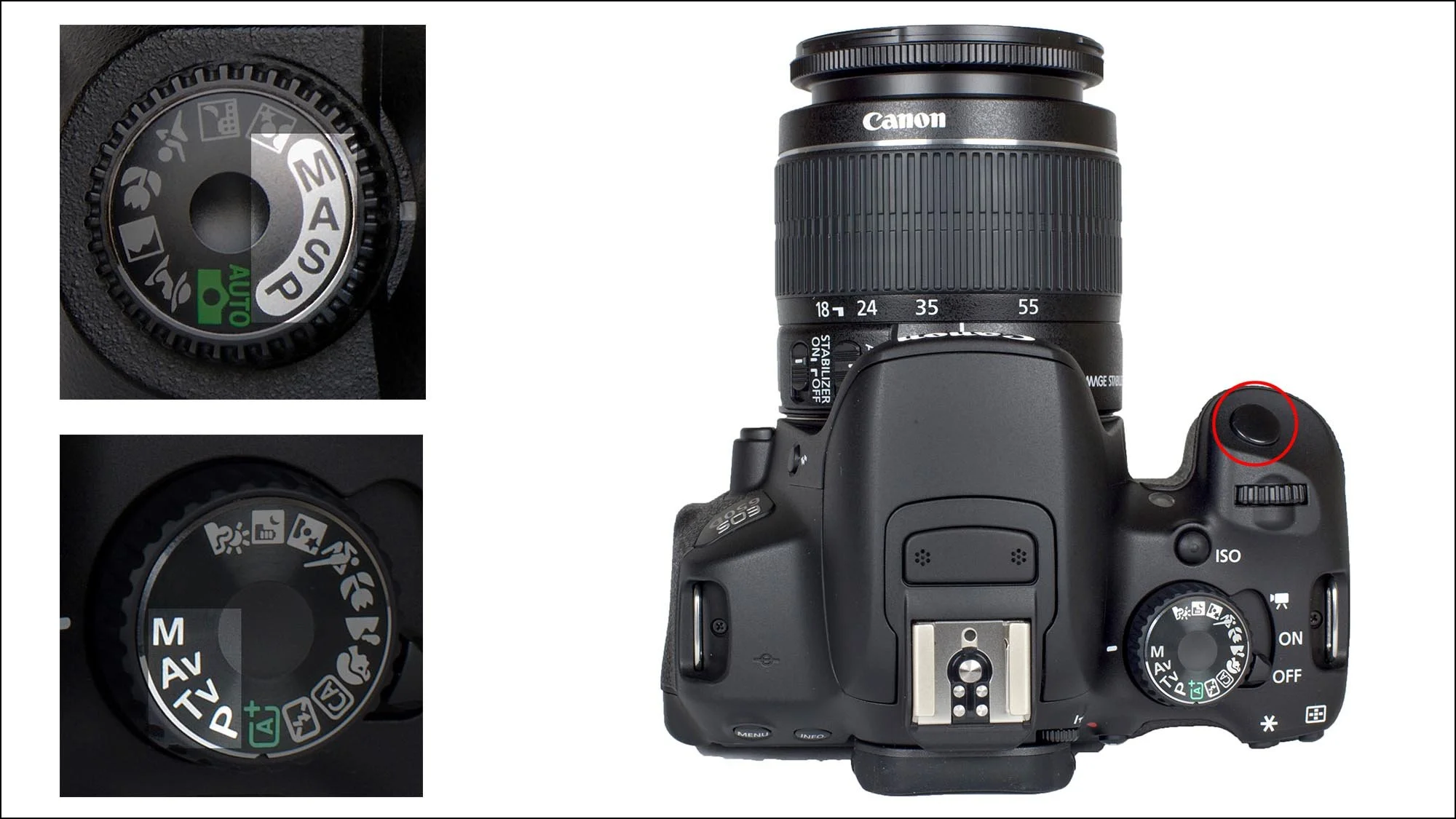
Switching from Auto to Manual mode is one of the first steps in learning photography.
What Are the 10 Rules of Photography?
Here are 10 foundational photography rules:
Rule of Thirds
Leading Lines
Framing
Use of Light
Depth
Fill the Frame
Negative Space
Simplicity
Balance
Break the Rules Intentionally
Learn the rules first. Then use them creatively.
Why Structured Learning Matters
At The School of Photography, we believe learning photography should be:
Clear
Practical
Supportive
Confidence-building
Photography is not about talent. It’s about understanding light and applying knowledge consistently.
When you learn in the right order, progress becomes faster and more enjoyable.