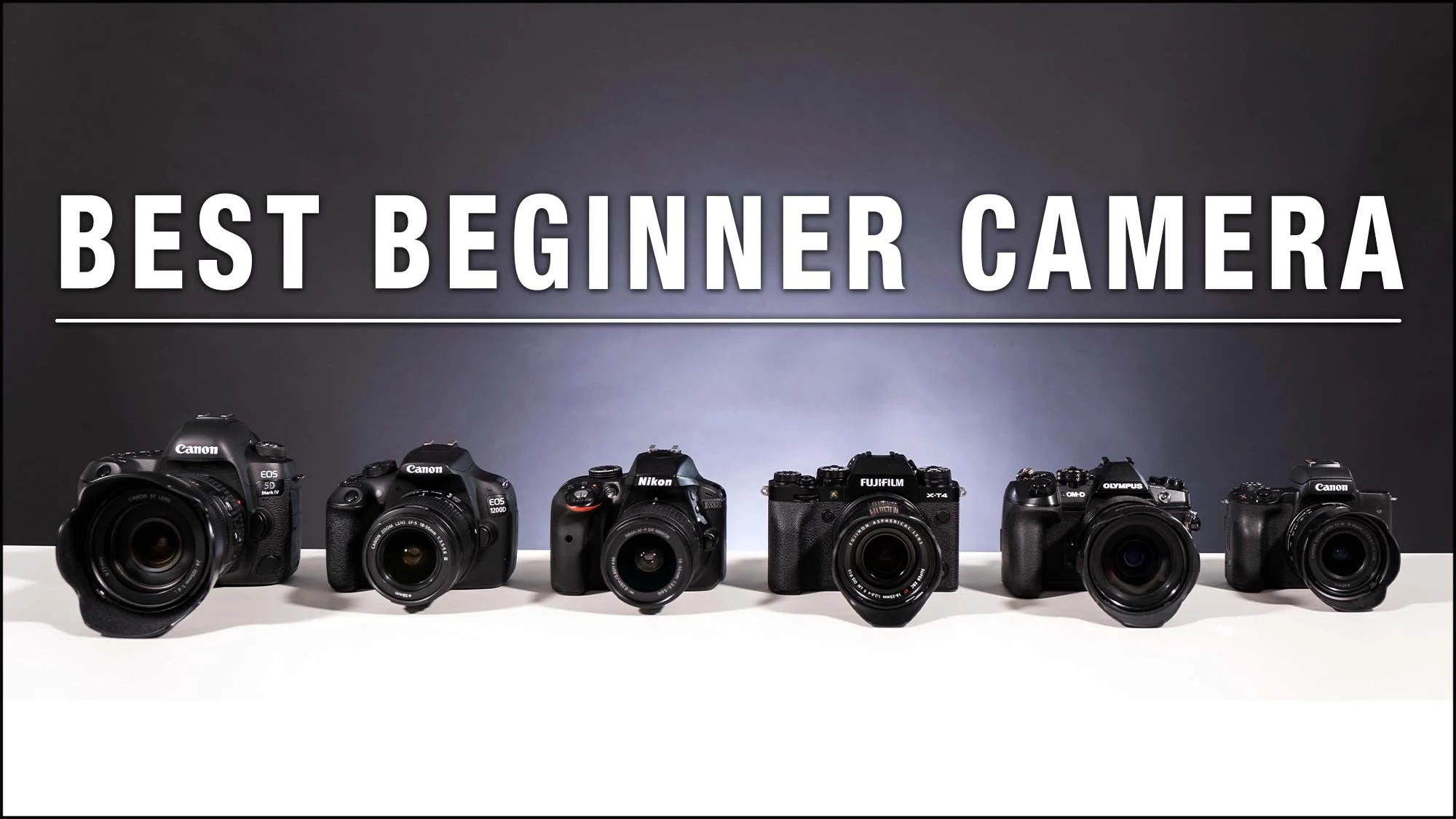
How do Beginner Photographers Start?
If you’re wondering how do beginner photographers start, the answer is simple: by learning the fundamentals of photography and practising regularly with the camera you already have.
Photography may seem complicated at first, but once you understand a few key concepts—such as camera settings, light, and composition—you can begin taking better photographs very quickly.
In this guide, we’ll explain the essential steps every beginner photographer should take when starting their photography journey.
Start With the Camera You Already Have
Many beginner photographers think they need expensive equipment before they can start learning photography. In reality, the best camera to start with is simply the one you already have.
This could be:
A smartphone
A compact camera
An entry-level DSLR
A mirrorless camera
What matters most in the beginning is learning how photography works, not how much your camera costs.
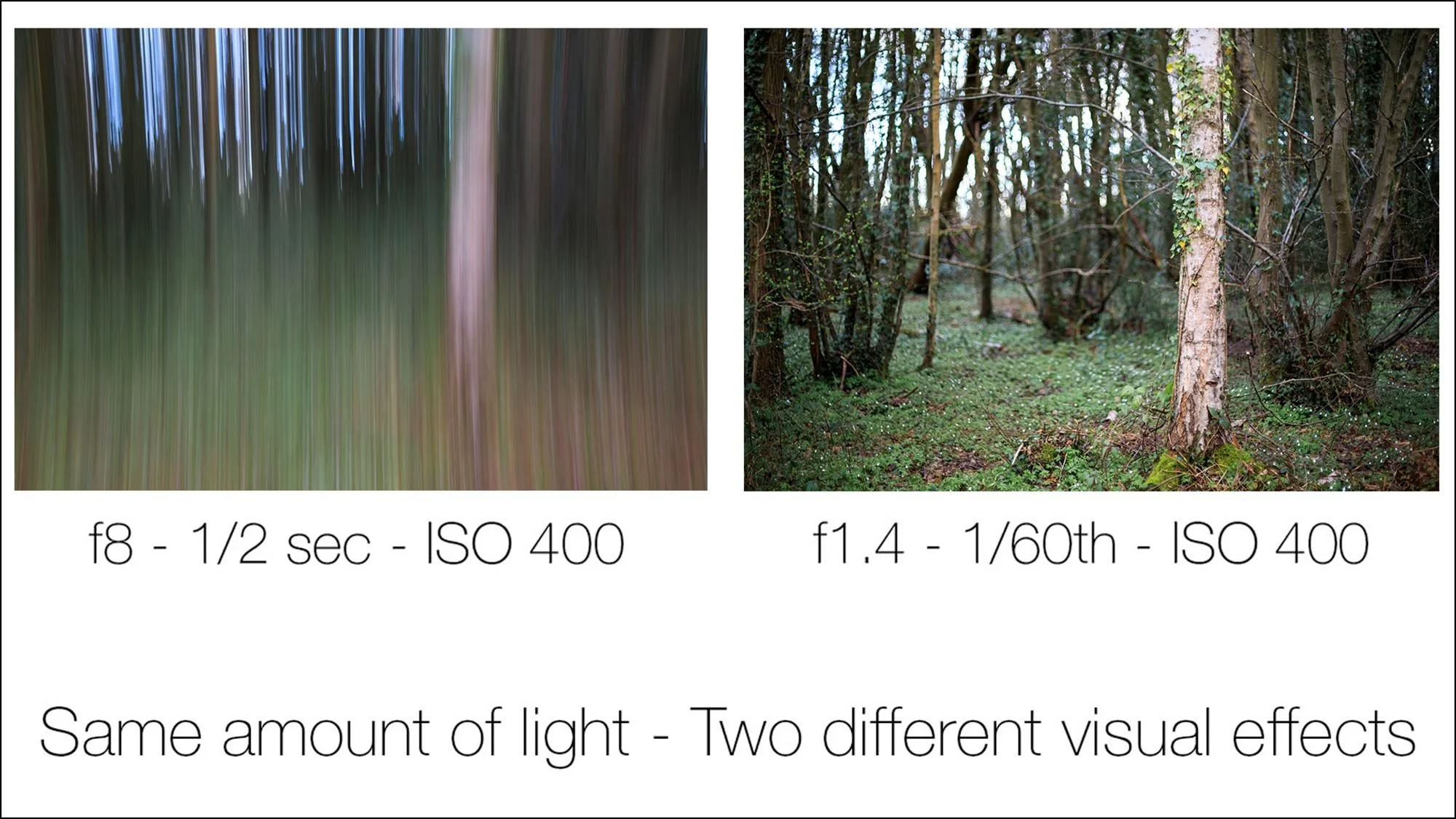
Same exposure achieved using different aperture and shutter speed combinations.
Learn the Basic Camera Settings
One of the first things beginner photographers should learn is how their camera controls exposure.
Three main settings affect every photograph:
Aperture
Aperture controls how much light enters the camera and also affects how much of the image appears sharp or blurred.
Shutter Speed
Shutter speed determines how long the camera sensor is exposed to light. Faster speeds freeze movement, while slower speeds can create motion blur.
ISO
ISO controls how sensitive your camera is to light. Higher ISO settings allow you to shoot in darker conditions but can introduce noise into your images.
Understanding how these three settings work together is the foundation of photography.
Get access to ALL our online courses - 1000’s of videos, worksheets, critiques of students work, personalised support and much more with our monthly membership.
Learn the Basic Camera Settings
One of the first things beginner photographers should learn is how their camera controls exposure.
Three main settings affect every photograph:
Aperture
Aperture controls how much light enters the camera and also affects how much of the image appears sharp or blurred.
Shutter Speed
Shutter speed determines how long the camera sensor is exposed to light. Faster speeds freeze movement, while slower speeds can create motion blur.
ISO
ISO controls how sensitive your camera is to light. Higher ISO settings allow you to shoot in darker conditions but can introduce noise into your images.
Understanding how these three settings work together is the foundation of photography.
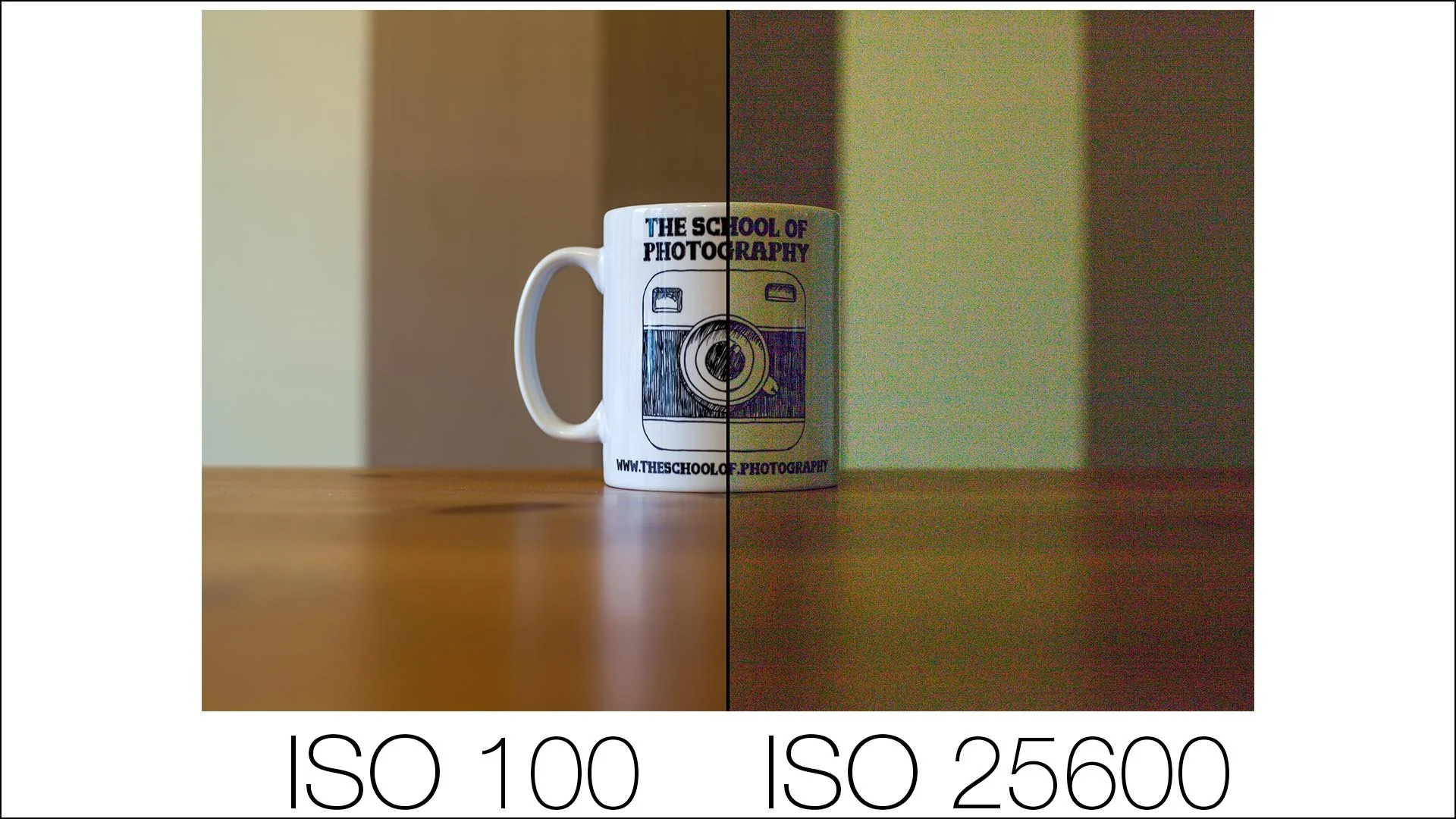
Higher ISO increases brightness but also introduces digital noise and grain.
Understand Composition
Composition refers to how the elements in your photo are arranged within the frame.
Learning simple composition techniques can dramatically improve your photos. Some useful techniques for beginners include:
The rule of thirds
Leading lines
Framing your subject
Filling the frame
Keeping backgrounds simple
Good composition helps guide the viewer’s eye and makes your images more visually engaging.
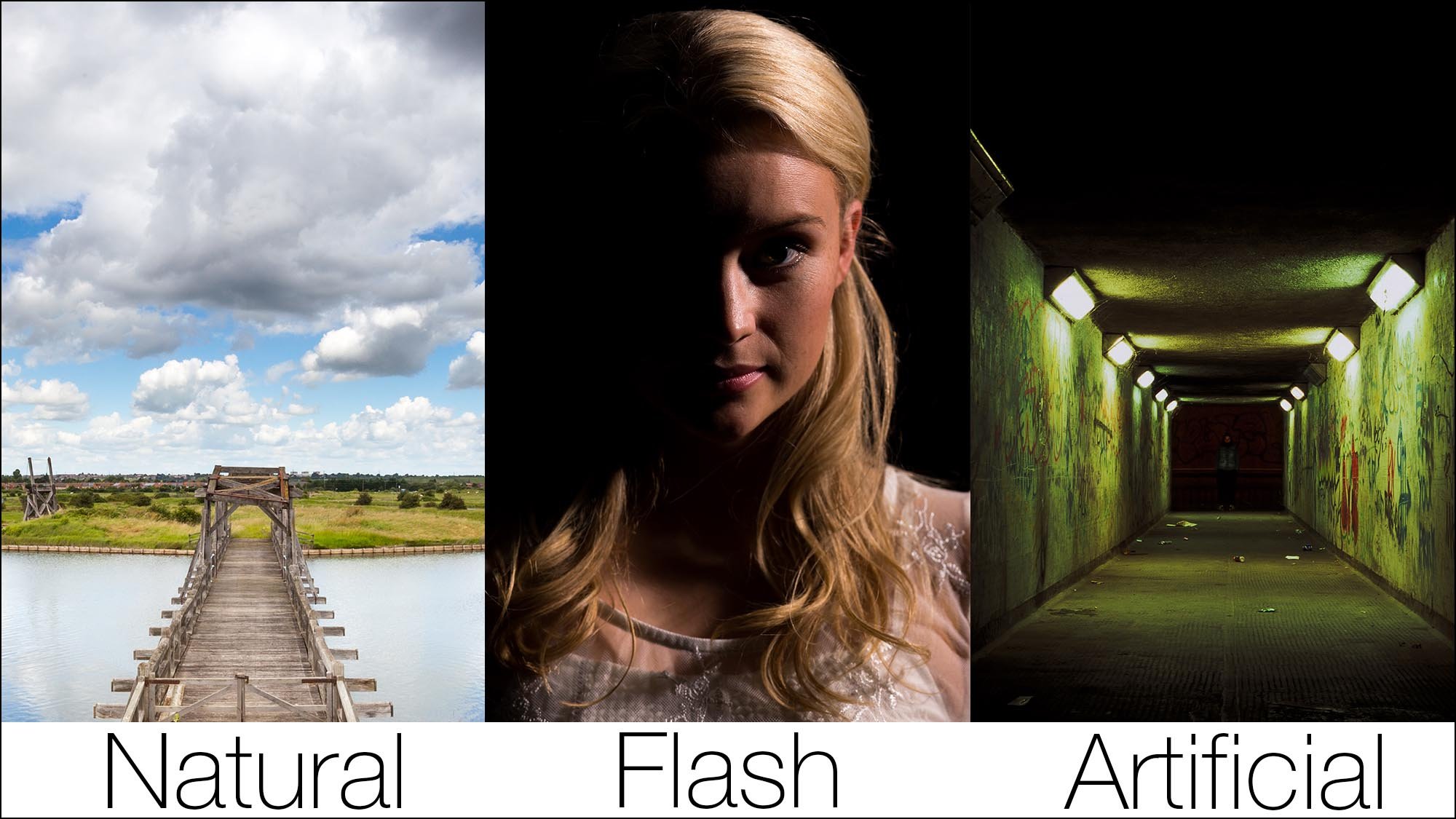
Different light sources — natural, flash and artificial — create completely different moods and visual results.
Learn to See Light
Photography is all about light. The quality, direction, and intensity of light can completely change the mood of a photograph.
Beginner photographers should start by observing:
The direction of light
How shadows appear in a scene
The difference between soft and harsh light
How light changes throughout the day
Natural light, especially during early morning and late afternoon, is often ideal for beginners.
How Long Does It Take to Learn Photography?
You can understand the basics within a few weeks.
Most beginners become confident within 3–6 months of consistent practice.
Mastery develops over time through experience, experimentation and refining your understanding of light.
Consistency matters more than speed.
Do I Need an Expensive Camera to Learn Photography?
No.
You can learn photography with:
An entry-level DSLR
A mirrorless camera
Even a smartphone
Understanding light and exposure is far more important than owning expensive equipment.
Many professional photographers began with basic cameras.
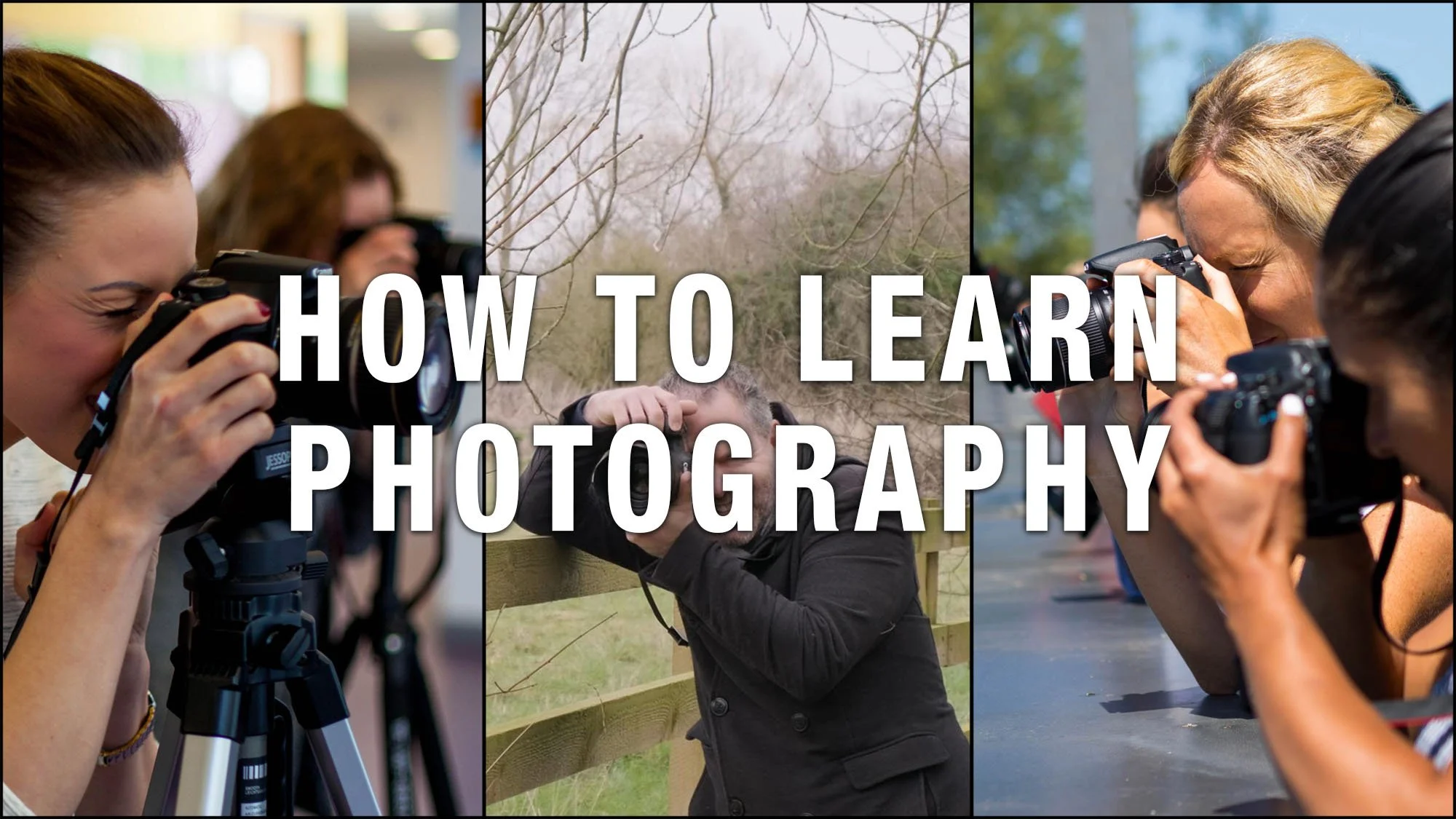
Practise Taking Photos Regularly
The best way to improve your photography is to practise.
Try photographing a variety of subjects such as:
Landscapes
Portraits
Architecture
Nature
Everyday scenes around you
Each subject will teach you something new about composition, light, and camera settings.
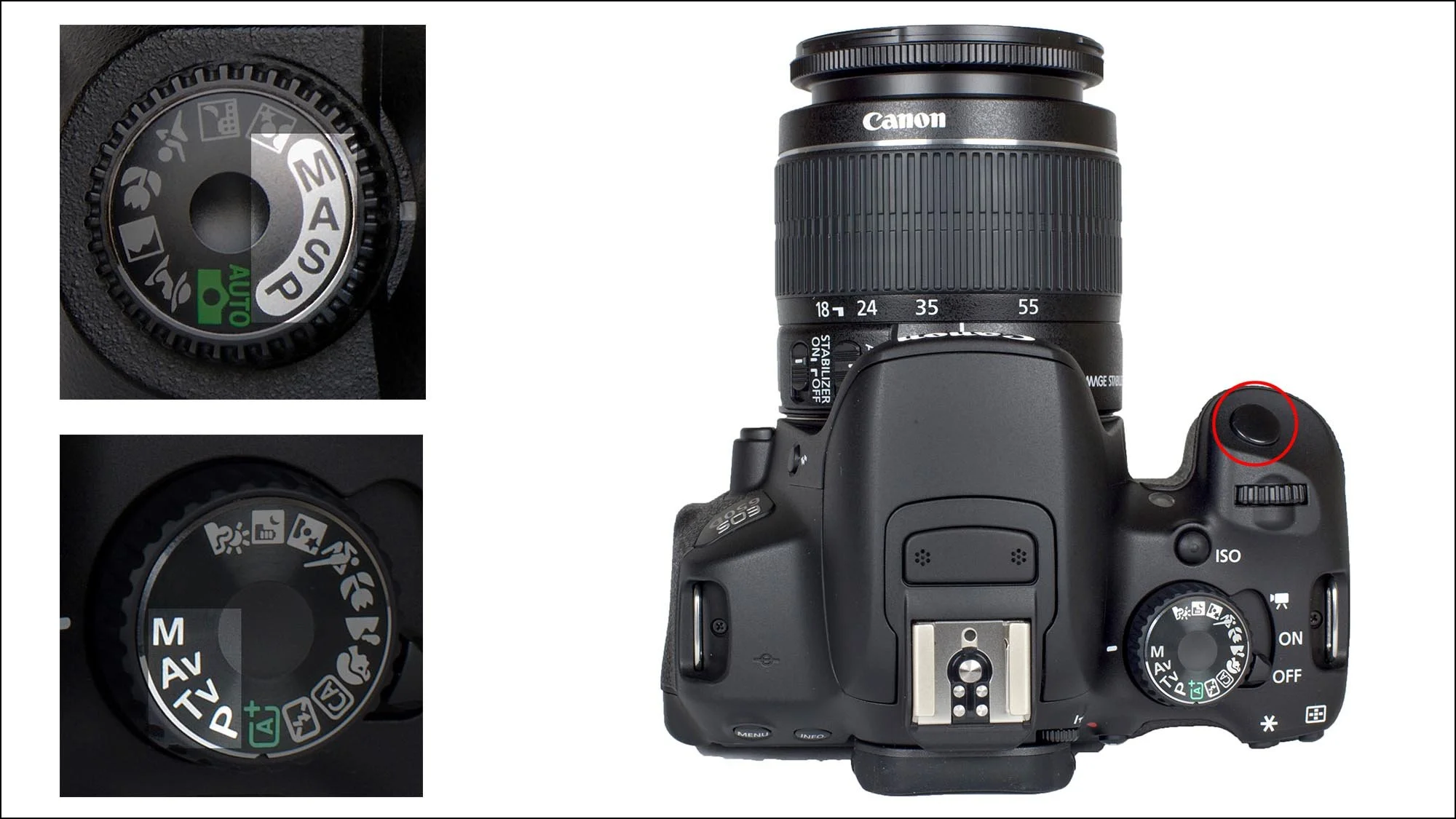
Switching from Auto to Manual mode is one of the first steps in learning photography.
Review and Improve Your Photos
After taking photos, spend time reviewing them and thinking about how they could be improved.
Ask yourself questions such as:
Is the image sharp?
Is the exposure correct?
Is the composition balanced?
Could the lighting be better?
This process helps you understand what works and what to change next time.
Learn Through Structured Photography Lessons
While practising on your own is important, many beginners find that learning through structured lessons makes the process much easier.
Photography tutorials and courses can help you learn:
How your camera works
How to control exposure
Composition techniques
How to work with light
Editing and post-processing
Learning step by step allows beginner photographers to build confidence and develop their skills faster.
Final Thoughts
So, how do beginner photographers start?
They start by learning the basics of photography, practising regularly, and gradually building their understanding of camera settings, composition, and light.
Photography is a skill that improves with time and experience. With the right guidance and consistent practice, anyone can learn to take great photographs.
If you're ready to begin your photography journey, exploring photography tutorials and structured learning can help you develop the skills needed to capture better images.