Photography Classes: The Complete Guide to Learning Photography in 2026
Photography is one of the most popular creative skills in the world. From capturing travel memories to building a professional photography business, learning how to take great photos opens up endless opportunities.
But while cameras are more powerful than ever, learning photography properly requires more than simply pressing the shutter. Understanding exposure, composition, lighting, and editing can transform ordinary photos into powerful visual stories.
That’s why photography classes have become one of the best ways to learn photography quickly and effectively.
In this guide, we’ll explore everything you need to know about photography classes — including what they teach, the different types of courses available, how to choose the right one, and whether online or in-person training is best for you.
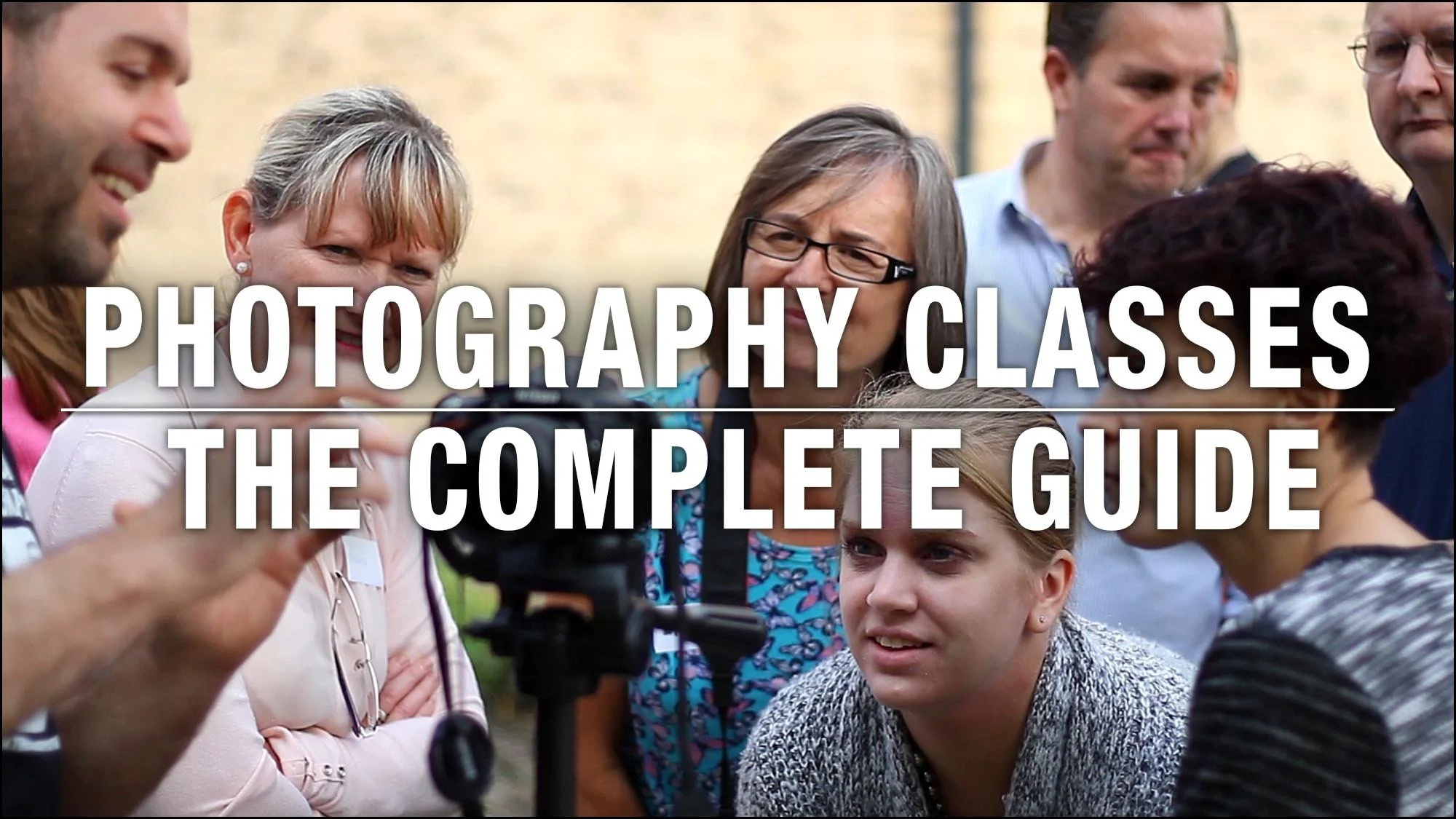
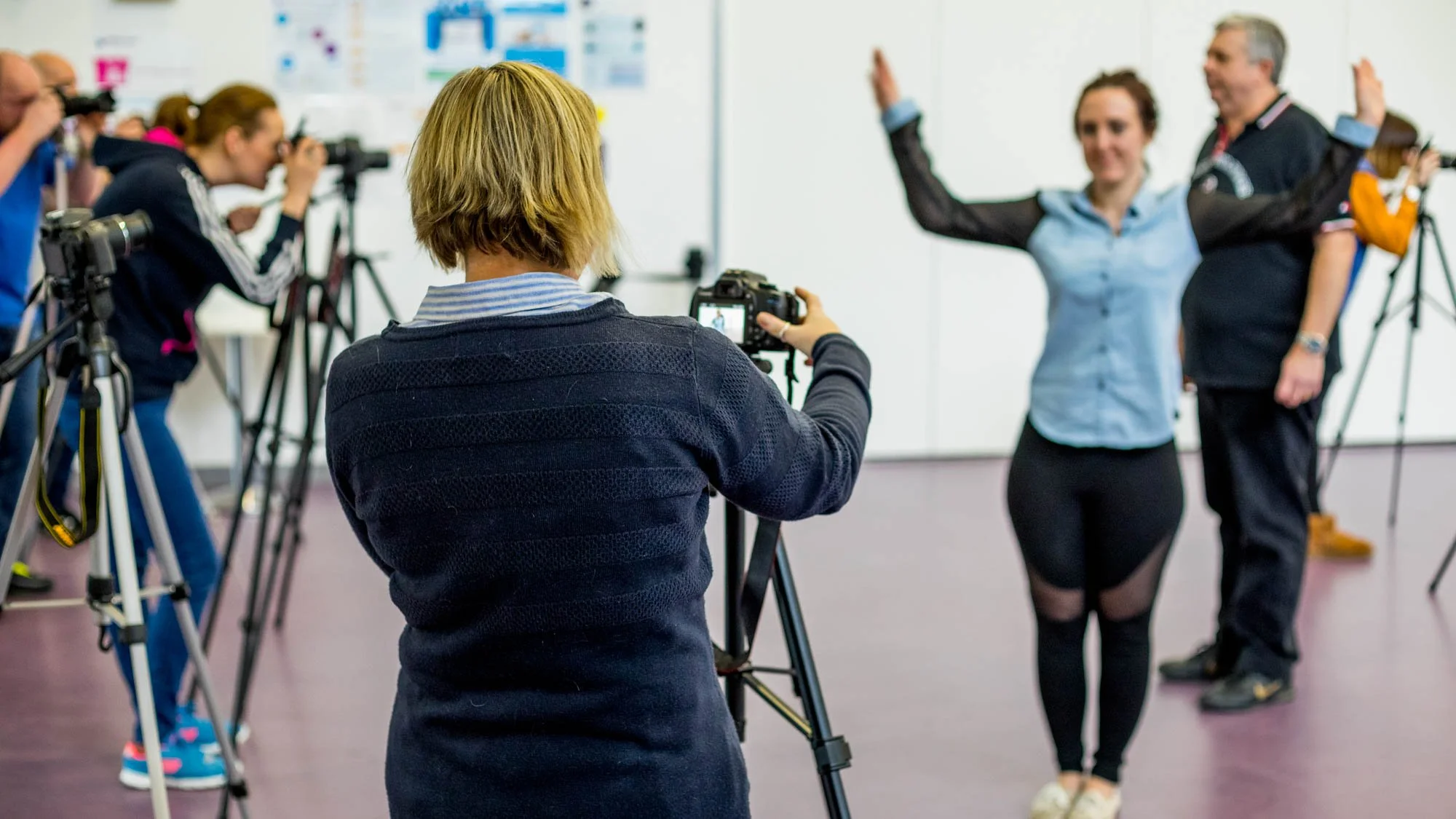
Students practising portrait photography during a practical photography class.
What Are Photography Classes?
Photography classes are structured lessons designed to teach people how to take better photographs using professional techniques and creative approaches.
These courses typically combine technical knowledge with practical exercises so students can immediately apply what they learn.
Most photography classes cover essential topics such as:
How cameras work
Aperture, shutter speed and ISO
Exposure and lighting
Composition techniques
Lenses and focal lengths
Editing and post-processing
Different photography styles
Beginner courses usually focus on helping students understand their cameras and move beyond automatic shooting modes. More advanced photography classes may cover professional lighting techniques, studio photography, storytelling, and commercial photography.
Get access to ALL our online courses - 1000’s of videos, worksheets, critiques of students work, personalised support and much more with our monthly membership.
Why Take Photography Classes?
Many people start photography as a hobby but quickly realise that understanding camera settings and creative techniques can be challenging without guidance.
Photography classes provide structured learning that helps photographers develop their skills much faster.
1. Learn How Your Camera Actually Works
Modern cameras have dozens of settings and features. Photography classes teach you how to control your camera manually so you can achieve the exact results you want.
Once you understand exposure and manual settings, you’ll have full creative control over your images.

Students reviewing images and learning how their cameras work during a photography class.
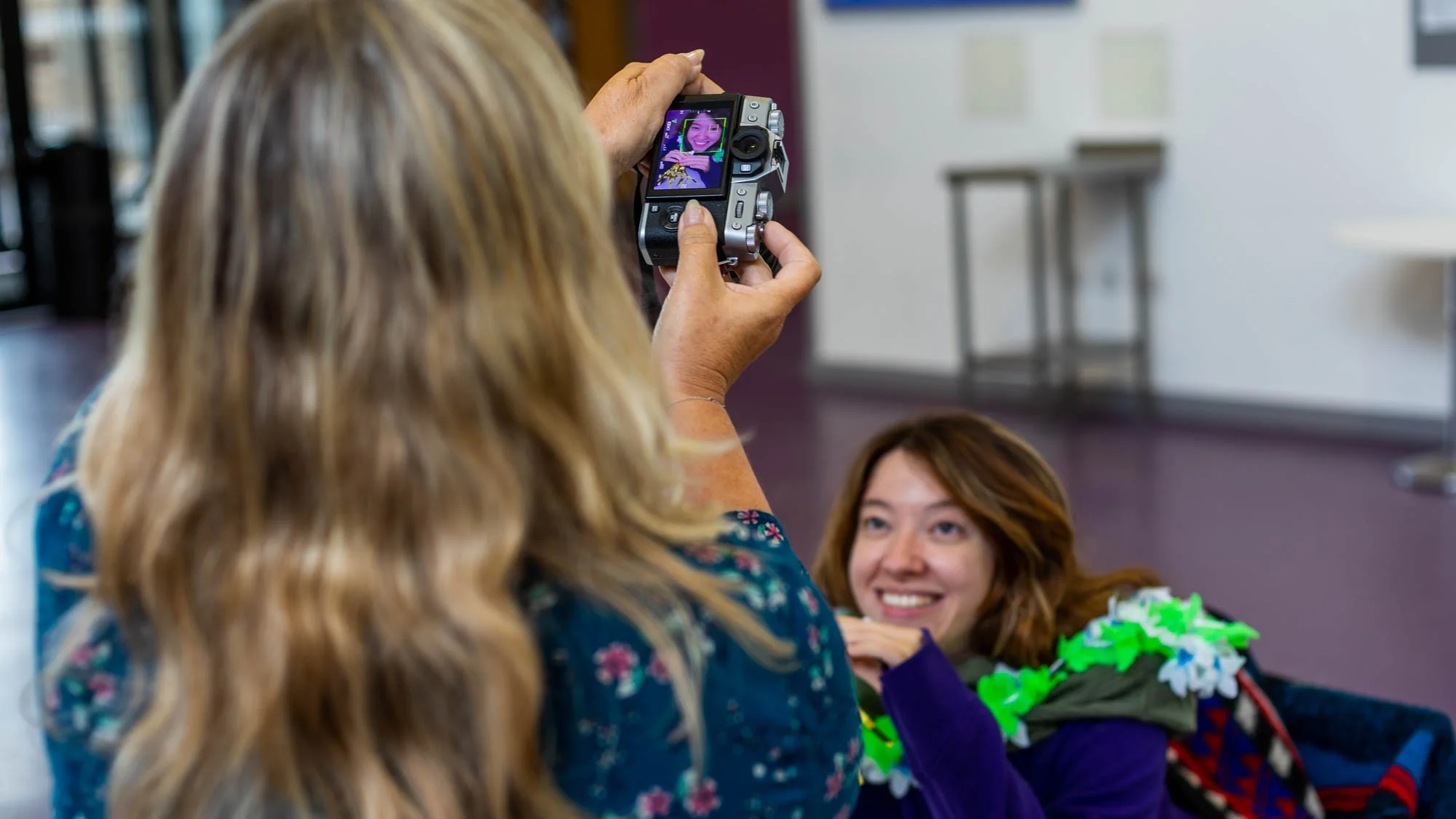
Student practising portrait composition during a photography class.
2. Improve Your Composition and Creativity
Great photography isn’t just about camera settings. Composition, framing, light, and storytelling all play a major role in creating powerful images.
Photography classes teach proven composition techniques such as:
The rule of thirds
Leading lines
Framing and layering
Balance and symmetry
Visual storytelling
These techniques help photographers capture more engaging and professional-looking images.
3. Learn Professional Lighting Techniques
Light is the most important element in photography. Learning how to see and control light dramatically improves your photos.
Photography classes often teach:
Natural light photography
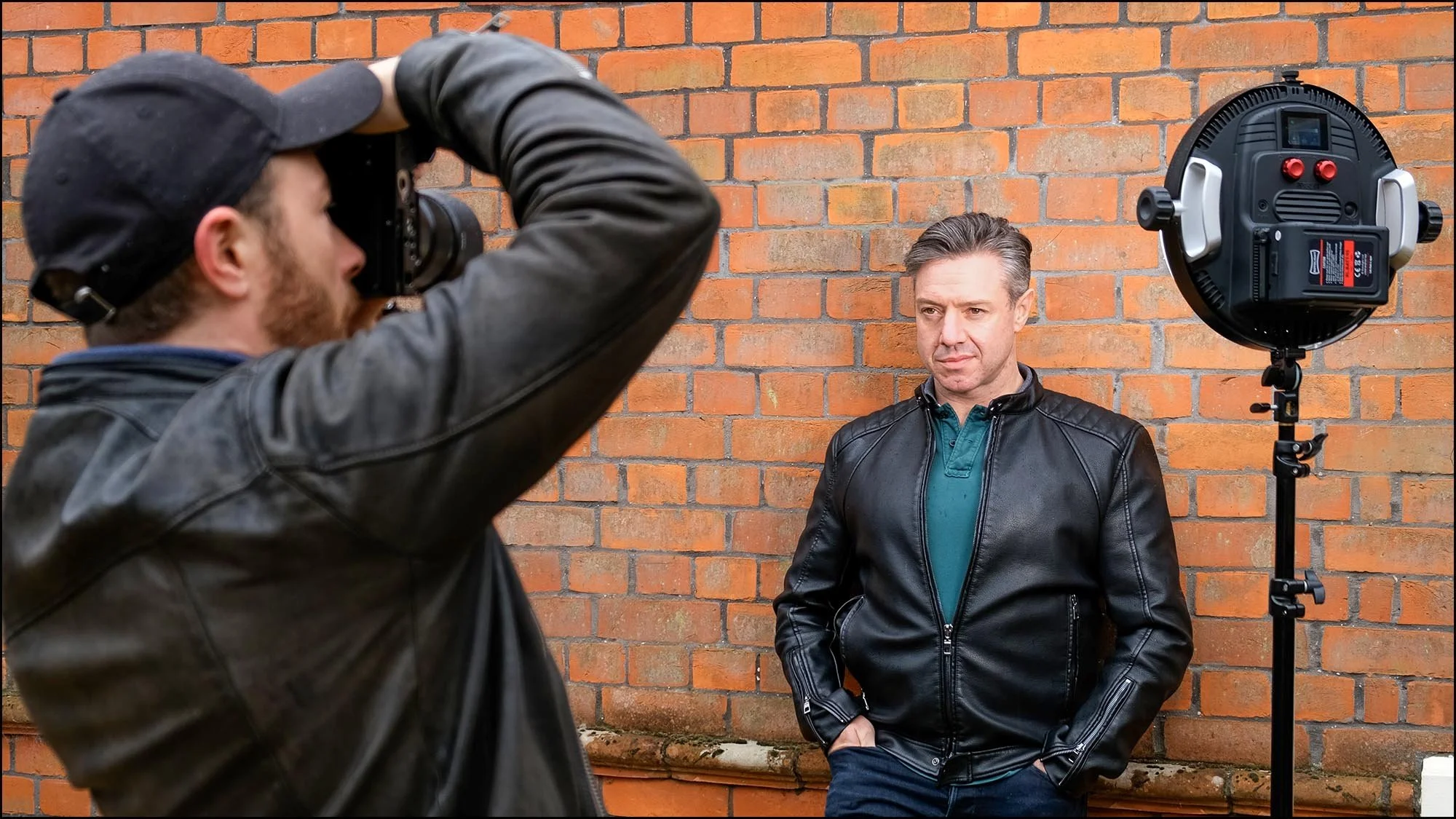
Studio lighting setups
Flash photography
Soft light vs hard light
Using reflectors and modifiers
Understanding lighting gives photographers far more creative possibilities.
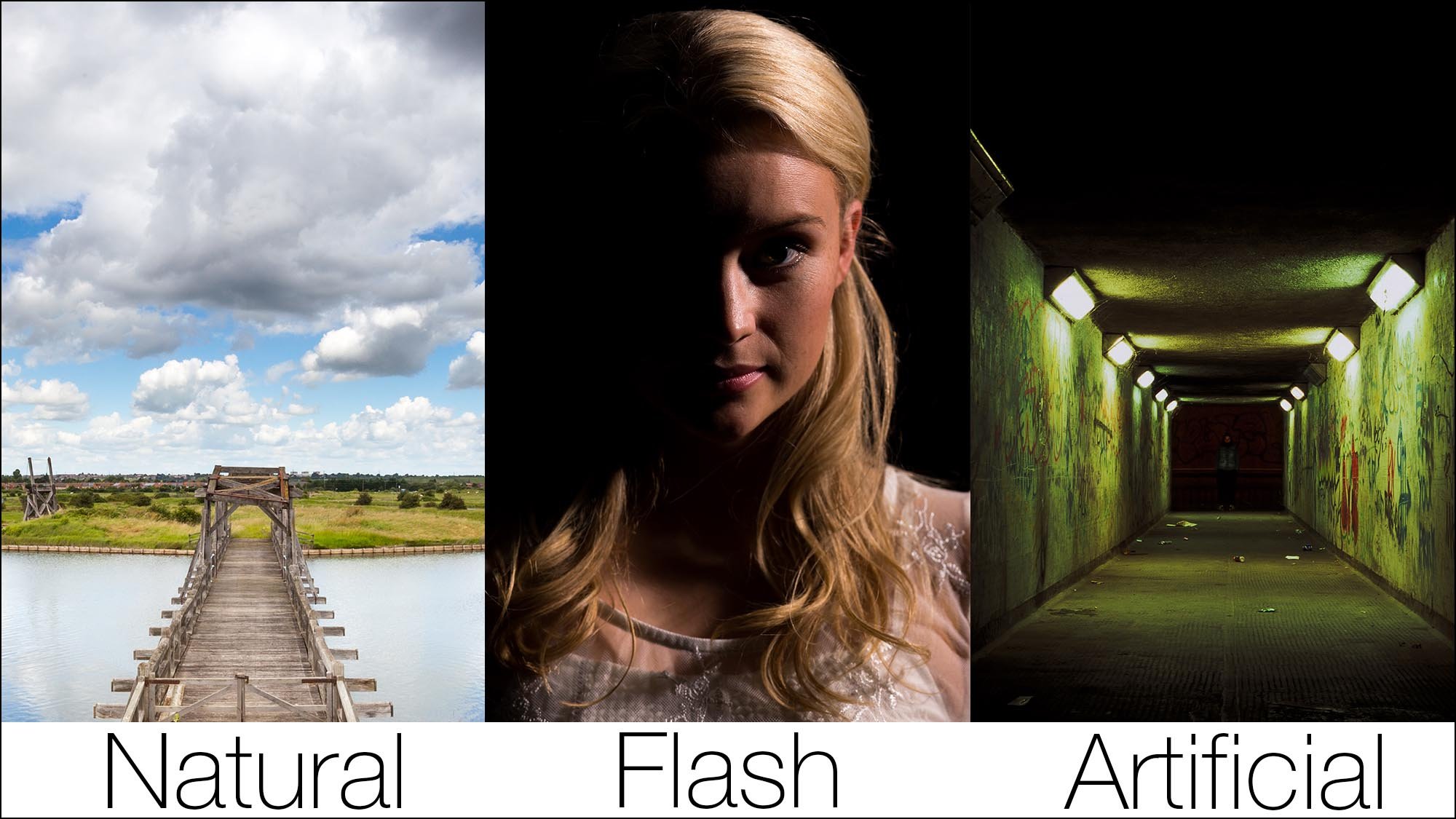
Different light sources.
Students supporting and collaborating during a photography class.
4. Get Feedback on Your Photos
One of the biggest advantages of photography classes is receiving feedback from experienced photographers.
Constructive feedback helps you:
identify mistakes
improve faster
develop your personal style
build confidence
This is something that’s difficult to achieve when learning alone.
5. Build a Photography Portfolio
Many photography courses include assignments and projects that allow students to build a portfolio.
A strong portfolio is essential if you want to pursue photography professionally or attract clients.

Guide to designing a professional photography portfolio.
Types of Photography Classes
Photography education comes in many forms. The best type of photography class depends on your goals, experience level, and learning style.
Below are the most common types of photography courses available today.
Beginner Photography Classes
Beginner photography classes are designed for people who are completely new to photography or who want to move beyond automatic camera modes.
These courses typically cover the fundamentals of photography, including:
Understanding your camera
Manual camera settings
Exposure basics
Aperture, shutter speed and ISO
Focus and depth of field
Basic composition techniques
Many beginner courses also include practical assignments so students can practise what they learn immediately.
By the end of a beginner photography class, students should feel confident using their camera in manual mode and capturing well-exposed images.

Intermediate Photography Classes
Once photographers understand the basics, intermediate courses help develop stronger technical and creative skills.
Intermediate photography classes often explore:
advanced composition
creative lighting techniques
portrait photography
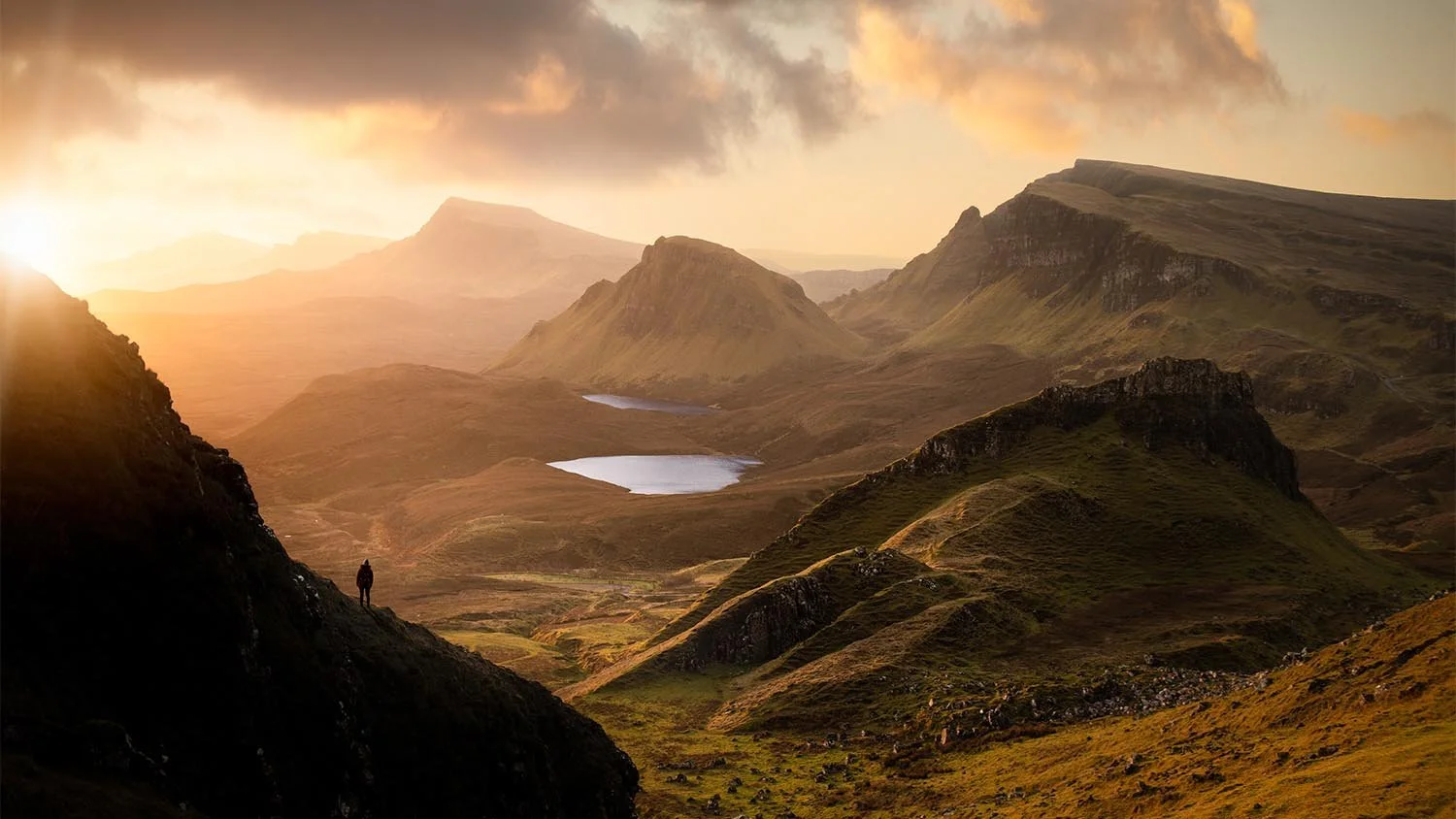
landscape photography
street photography
editing and post-production
These courses help photographers refine their style and produce more consistent results.
Advanced Photography Courses
Advanced photography classes are designed for photographers who want to master professional techniques or specialise in particular genres.
These courses may focus on:
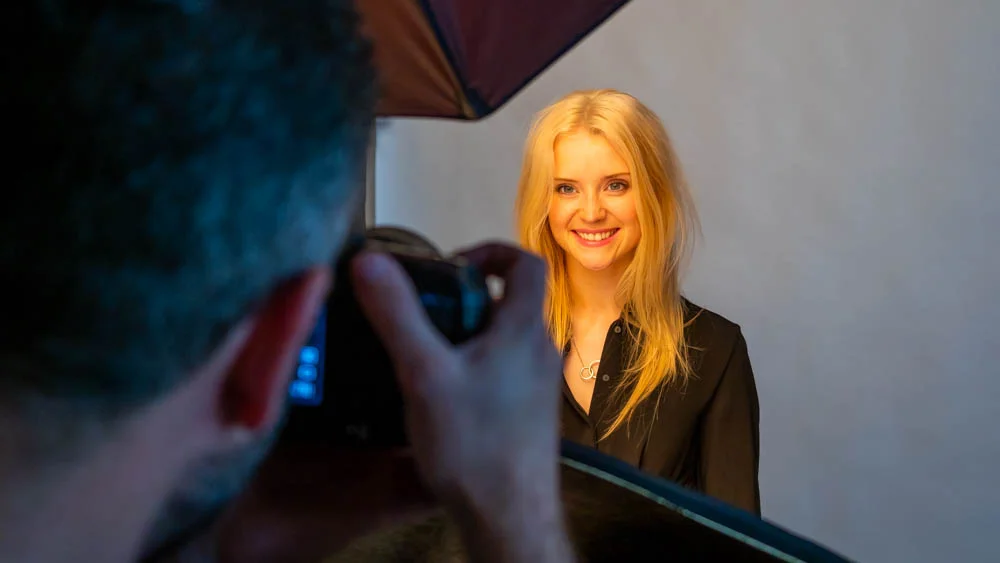
studio lighting
fashion photography
commercial photography
editorial photography
advanced editing workflows
storytelling and visual narrative
Many advanced photography programmes also include portfolio reviews and career guidance.
Professional Photography Courses
Professional photography courses are designed for photographers who want to build a career in photography.
These programmes typically combine technical training with industry knowledge.
Professional photography classes may cover:
running a photography business
working with clients
pricing and licensing images
marketing and branding
portfolio development
commercial photography techniques
For aspiring professionals, these courses provide valuable insight into the photography industry.
Online Photography Classes
Online learning has become one of the most popular ways to learn photography.
Online photography classes allow students to study from anywhere and learn at their own pace.
Benefits of online photography courses include:
flexible learning schedules
lifetime access to lessons
structured learning paths
downloadable resources
community support and feedback
Online photography education has grown rapidly because it allows students to revisit lessons and practise at their own pace.
For many learners, this flexibility makes online courses one of the most convenient ways to learn photography.
In-Person Photography Classes
In-person photography classes are usually held in studios or classroom environments and are often offered by photography schools, art colleges, and creative academies.
These courses provide hands-on learning and direct interaction with instructors.
Advantages of in-person photography classes include:
live demonstrations
hands-on lighting practice
guided photo shoots
networking with other photographers
real-time feedback
Many photographers enjoy the collaborative environment of in-person classes.
Photography Workshops
Photography workshops are shorter courses that focus on specific skills or photography styles.
Popular photography workshops include:
street photography workshops
portrait photography workshops
landscape photography workshops
studio lighting workshops
editing and Lightroom workshops
Workshops are great for photographers who want to develop specific skills quickly.
What You’ll Learn in Photography Classes
Although every course is different, most photography classes follow a structured learning path.
Here are the key skills you can expect to learn.
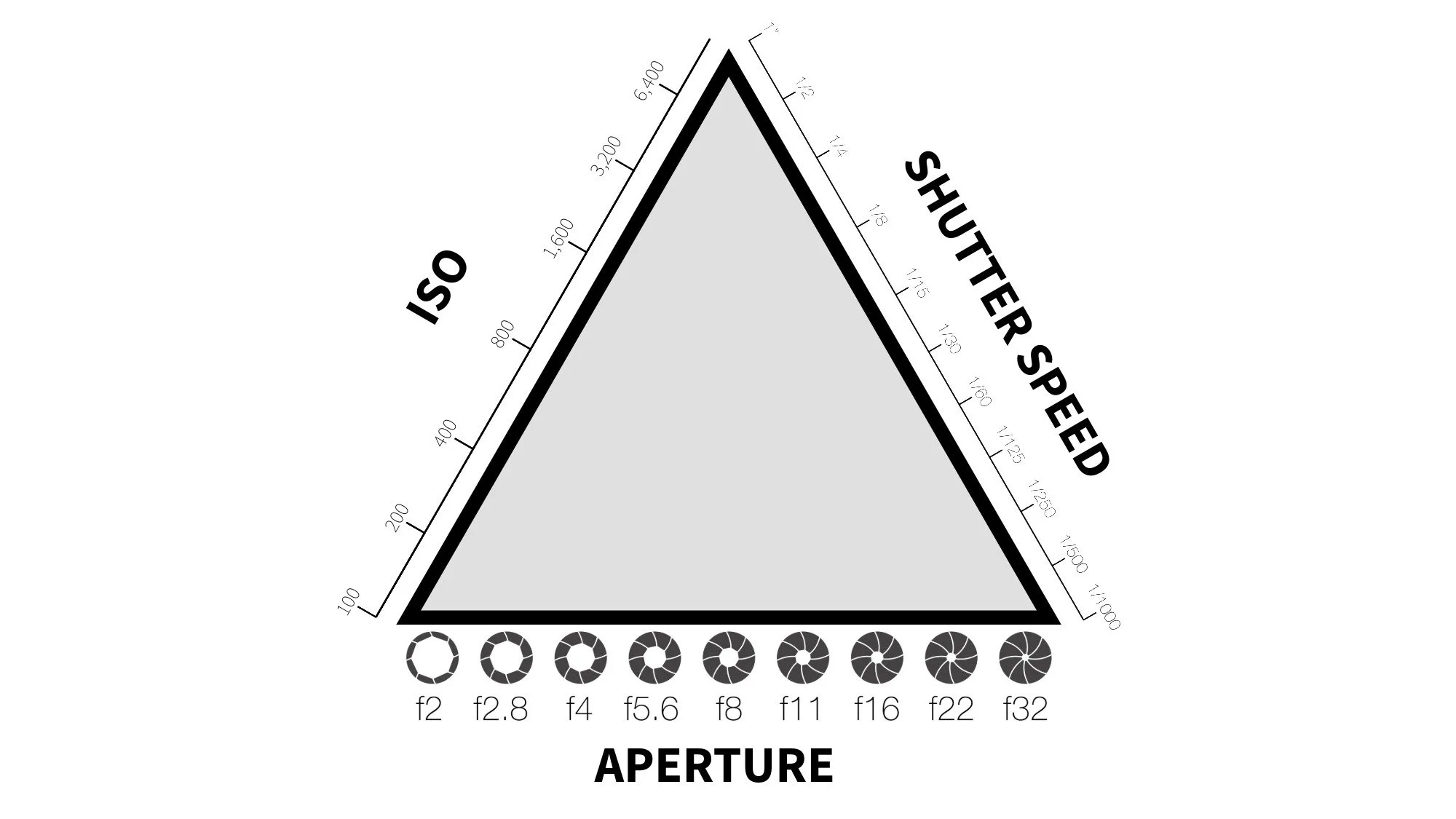
The exposure triangle showing how ISO, shutter speed, and aperture work together to control exposure in photography.
Understanding Exposure
Exposure is the foundation of photography.
Photography classes teach how the three elements of exposure work together:
Aperture
Shutter speed
ISO
Understanding this “exposure triangle” allows photographers to control brightness, motion blur, and depth of field.
Mastering Composition
Composition determines how elements are arranged within a photograph.
Photography classes teach visual principles that help guide the viewer’s eye through an image.
These may include:
Rule of thirds
Leading lines
Symmetry
Framing
Visual balance
Strong composition is what separates average photos from great ones.
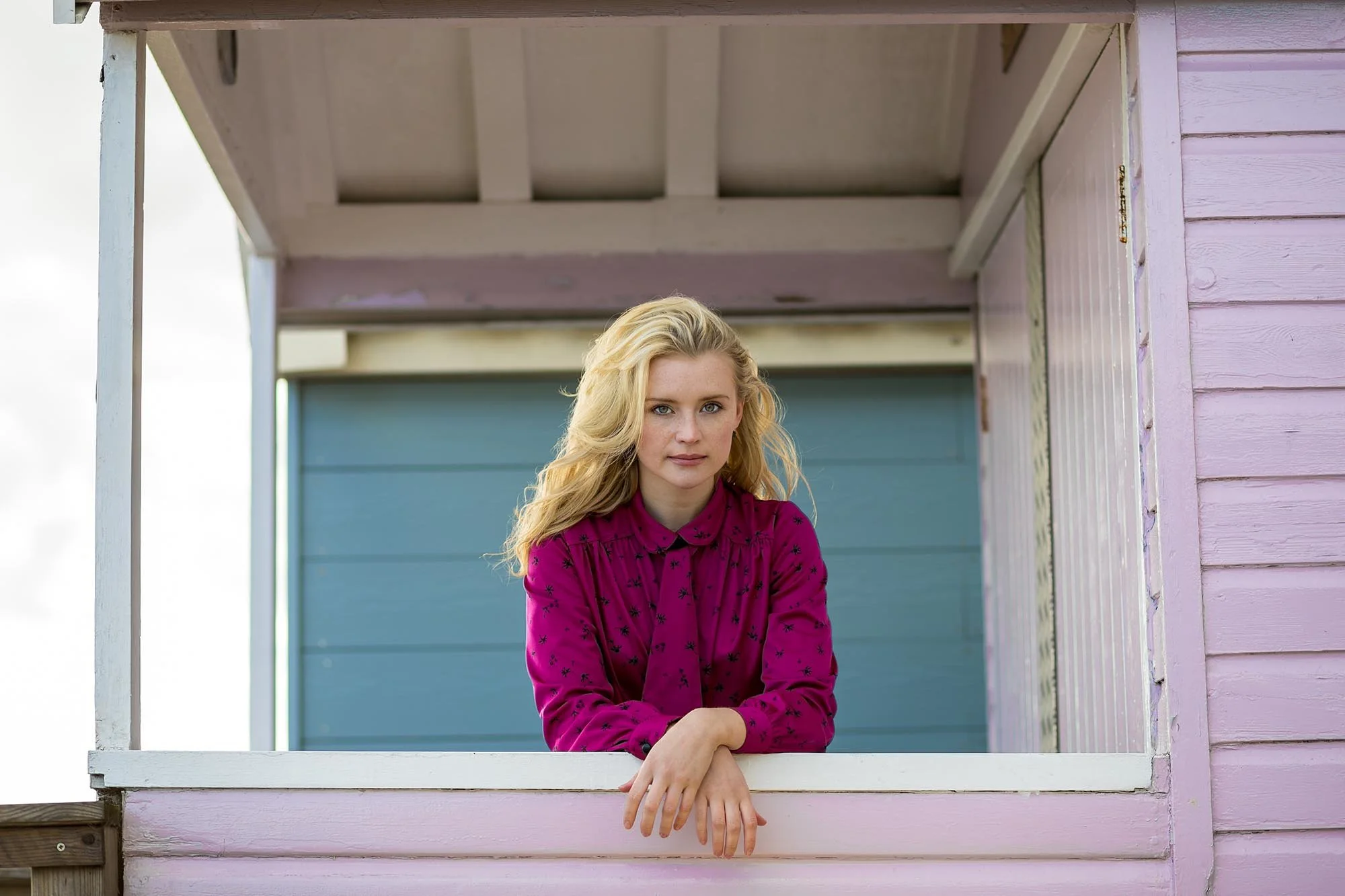
Example of the framing technique in photography composition using a window to frame a portrait subject.
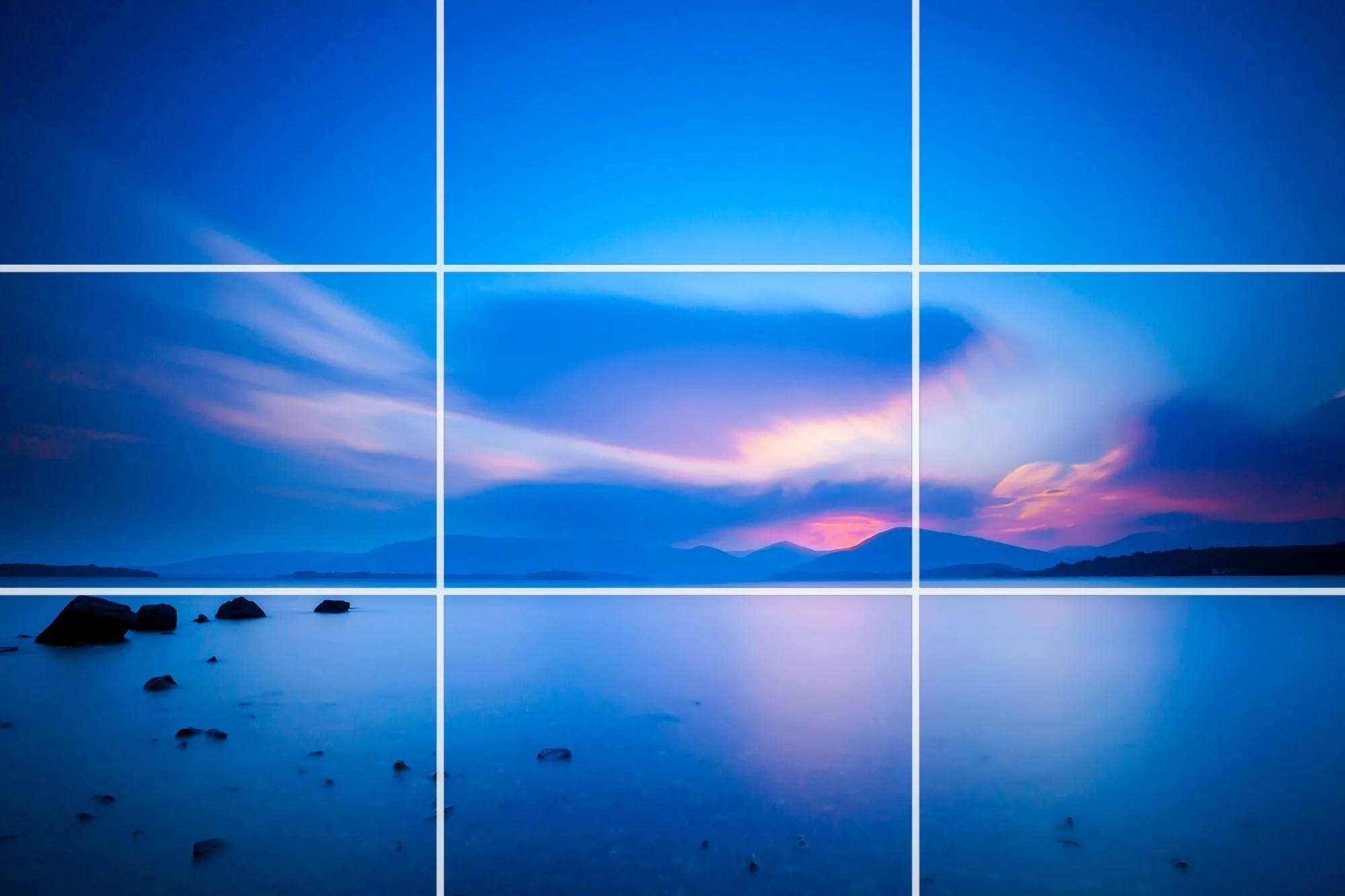
Example of the rule of thirds composition technique using a landscape sunset and grid overlay.

Example of the leading lines composition technique using fallen tree trunks to guide the viewer’s eye across the landscape.
Working With Light
Learning how to use light creatively is essential.
Photography classes often teach:
Natural light photography - Natural Light Photography: A Complete Guide to Shooting with Available Light
Golden hour shooting
Studio lighting - Studio Lighting Course
Flash photography
Shaping light with modifiers
Understanding light dramatically improves image quality.
Editing and Post-Processing
Editing is a crucial part of modern photography.
Many photography classes include training in editing software such as:
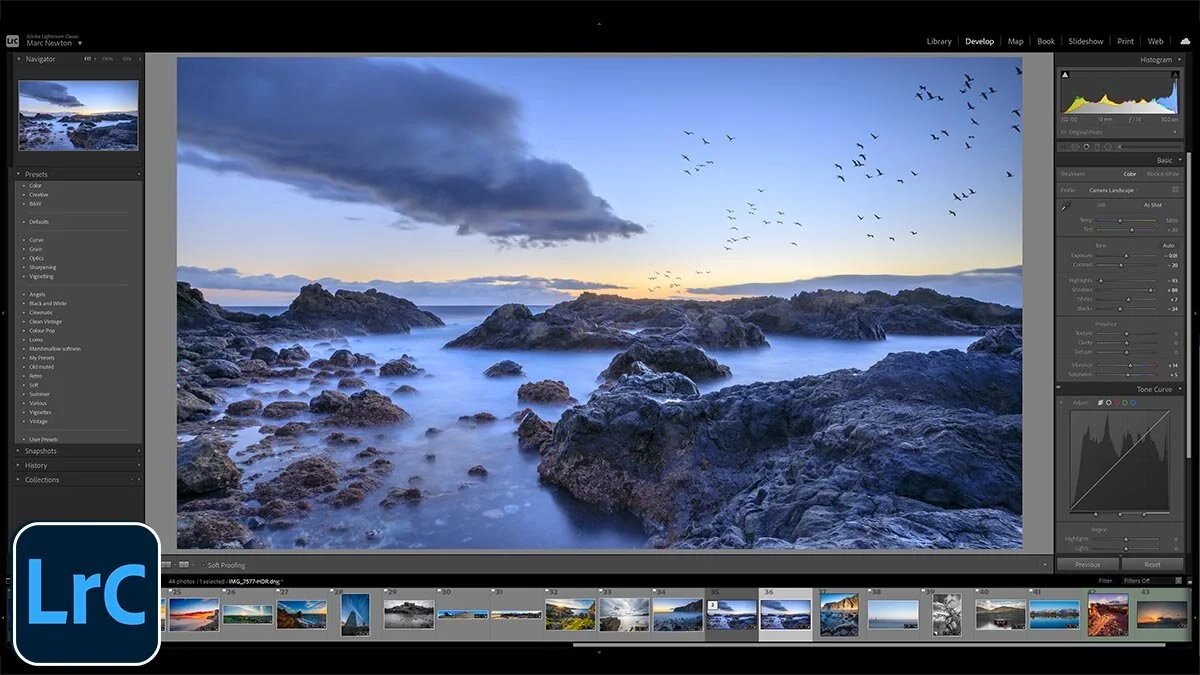

Students learn how to:
adjust exposure and colour
enhance contrast
crop and refine images
develop a consistent visual style
How to Choose the Right Photography Classes
With so many courses available, choosing the right photography class can feel overwhelming.
Here are some important factors to consider.
Your Experience Level
Choose a course that matches your current skill level.
Beginners should start with foundational courses, while experienced photographers may benefit from specialised workshops.
Course Structure
Look for photography classes that include:
clear learning paths
practical assignments
real-world shooting exercises
Structured learning leads to faster improvement
Instructor Experience
Great photography classes are often taught by experienced photographers who actively work in the industry.
Learning from professionals helps students understand real-world photography challenges.
Flexibility
Some courses are full-time, while others offer part-time or self-paced learning.
Online photography classes are especially useful if you need flexible scheduling.
Are Photography Classes Worth It?
Many people wonder whether photography classes are worth the investment.
For most photographers, the answer is yes.
Structured learning helps photographers:
avoid common mistakes
understand camera settings faster
develop stronger creative skills
gain confidence with their camera
Photography classes can dramatically shorten the learning curve and help photographers progress much faster than self-teaching alone.
How Long Do Photography Classes Take?
Photography courses vary widely in length.
Some common formats include:
1-day workshops
weekend photography courses
4–8 week evening classes
self-paced online courses
full-time professional programmes
The best option depends on your goals and schedule.
How Much Do Photography Classes Cost?
Photography course prices vary depending on the type of course.
Typical ranges include:
Short workshops: £50–£200
Beginner courses: £100–£500
Online photography courses: £100–£500
Professional programmes: £1,000+
Online courses are often more affordable while still providing structured learning.
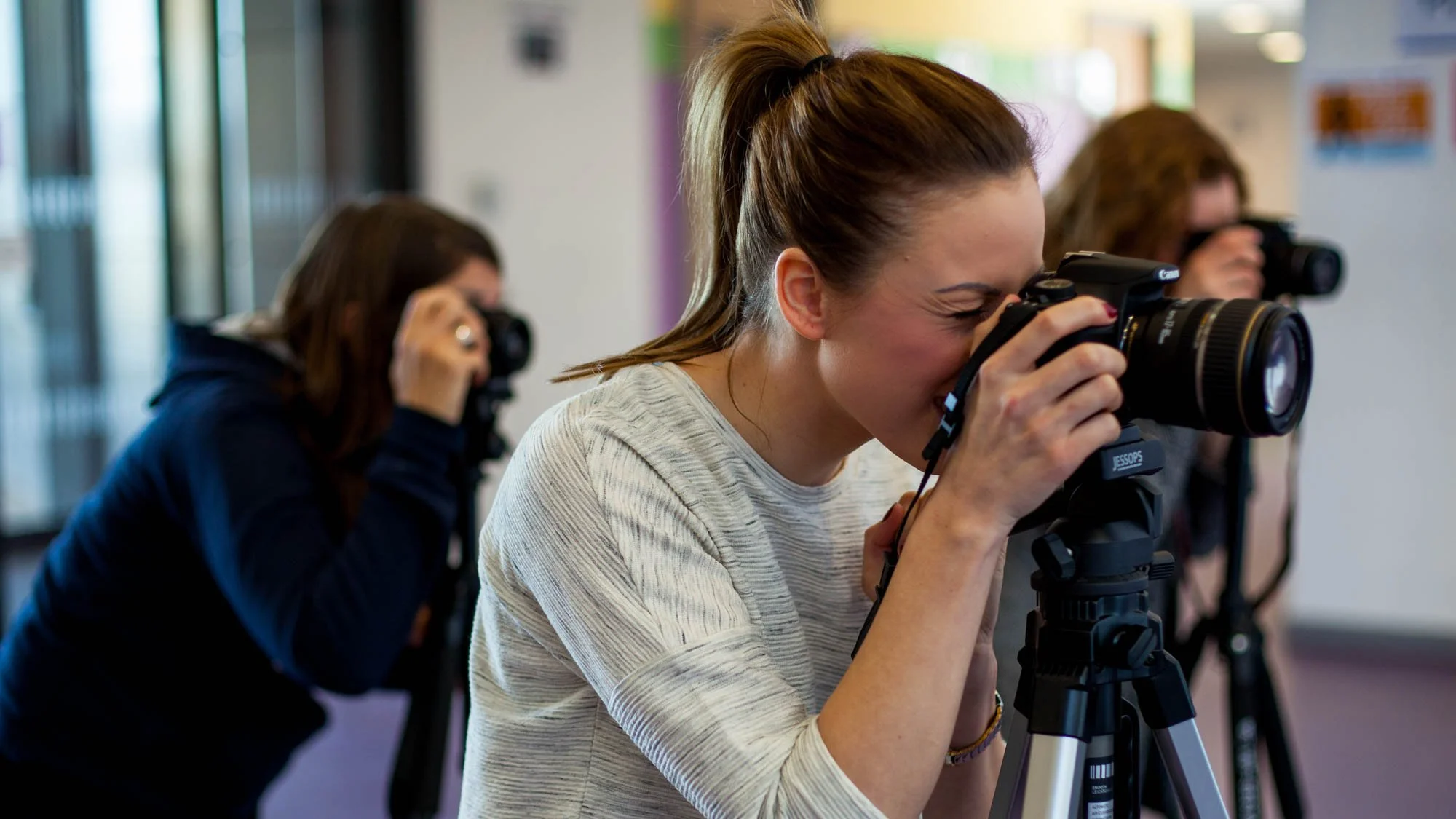
Students practising camera techniques during a photography class.
Start Learning Photography Today
Photography is one of the most exciting creative skills you can learn.
Whether you want to improve your hobby photography or pursue a professional career, photography classes provide the structure, knowledge, and inspiration needed to develop your skills.
With options ranging from flexible online courses to hands-on workshops and professional programmes, there has never been a better time to start learning photography.
Photography Classes FAQs
What is the best way to learn photography?
The best way to learn photography is through a combination of structured learning and regular practice. Photography classes help beginners understand camera settings, composition, and lighting while providing practical exercises that build real-world skills.
Are photography classes worth it?
Yes. Photography classes help you learn much faster than trying to figure everything out alone. They provide expert guidance, structured lessons, and feedback that can dramatically improve your photography skills.
Can you learn photography online?
Yes, photography can be learned online through structured courses, video tutorials, and assignments. Online photography classes allow students to learn at their own pace while practising techniques with their own cameras. Online Photography Courses
How long does it take to learn photography?
Most beginners can learn the basics of photography within a few weeks or months of consistent practice. However, mastering photography can take years as photographers develop their creative style and technical skills.
Do you need an expensive camera to take photography classes?
No. Many photography classes teach techniques that work with any camera, including entry-level DSLRs, mirrorless cameras, and even smartphones. Understanding light and composition is often more important than the camera itself.
What camera is best for beginner photography classes?
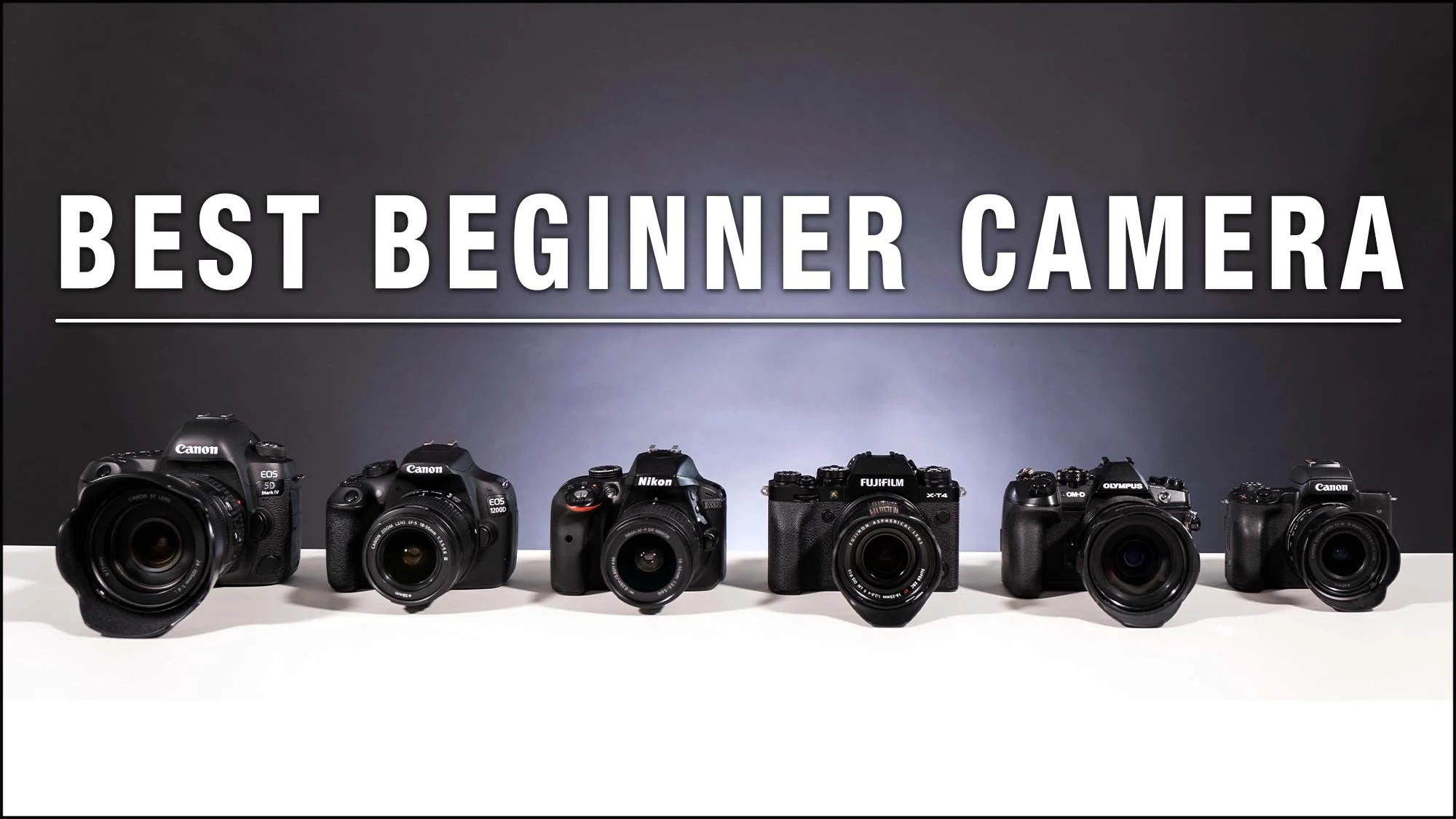
Most beginner photography classes recommend entry-level DSLR or mirrorless cameras because they allow manual control over settings such as aperture, shutter speed, and ISO.
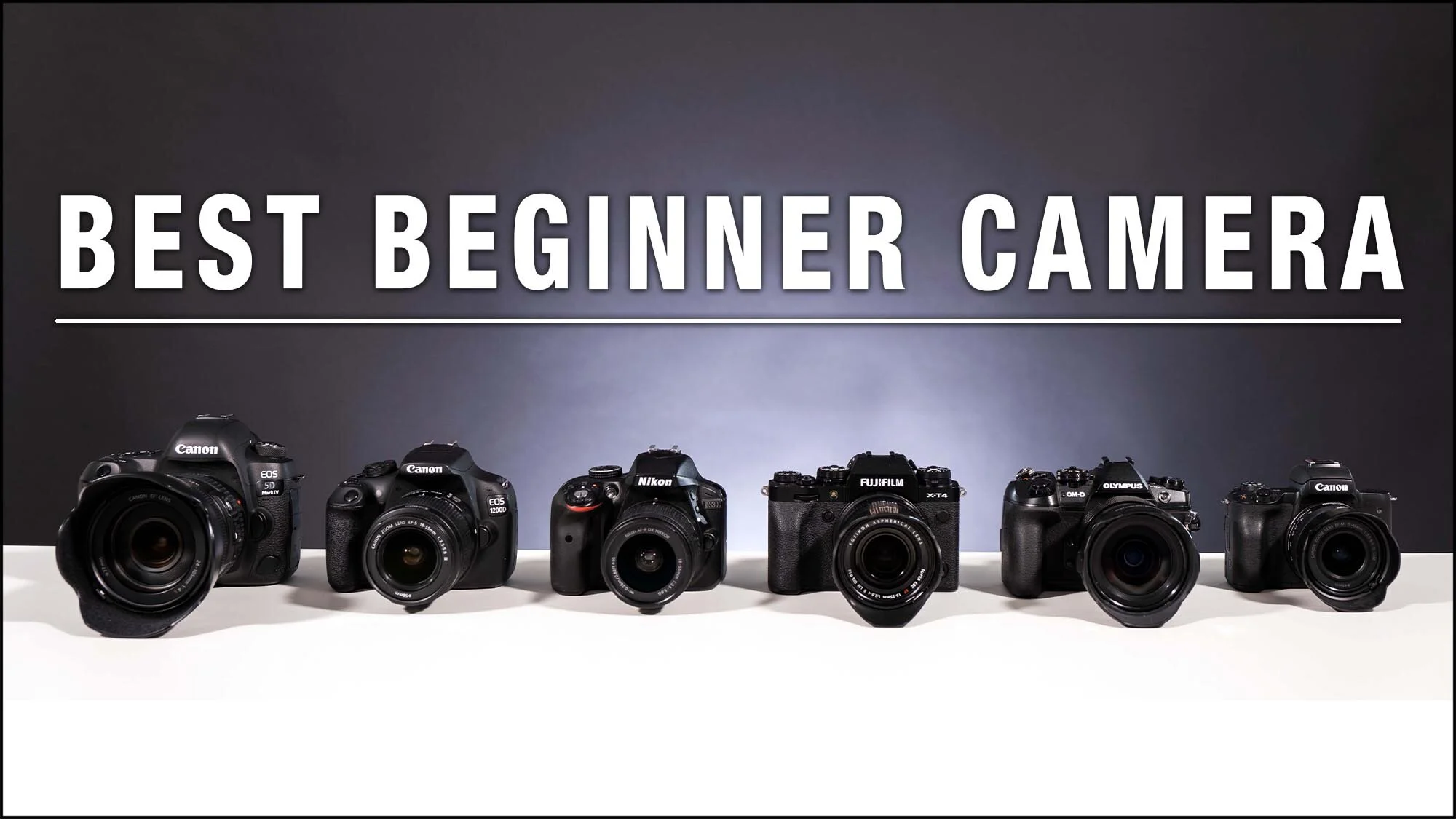
Recommended cameras for beginner photographers.
What do beginner photography classes teach?
Beginner photography classes typically teach:
Camera basics
Exposure settings
Aperture, shutter speed and ISO
Composition techniques
Lighting fundamentals
These skills provide a strong foundation for further photography learning. Learn everything you need to know in our Beginners Photography Course.
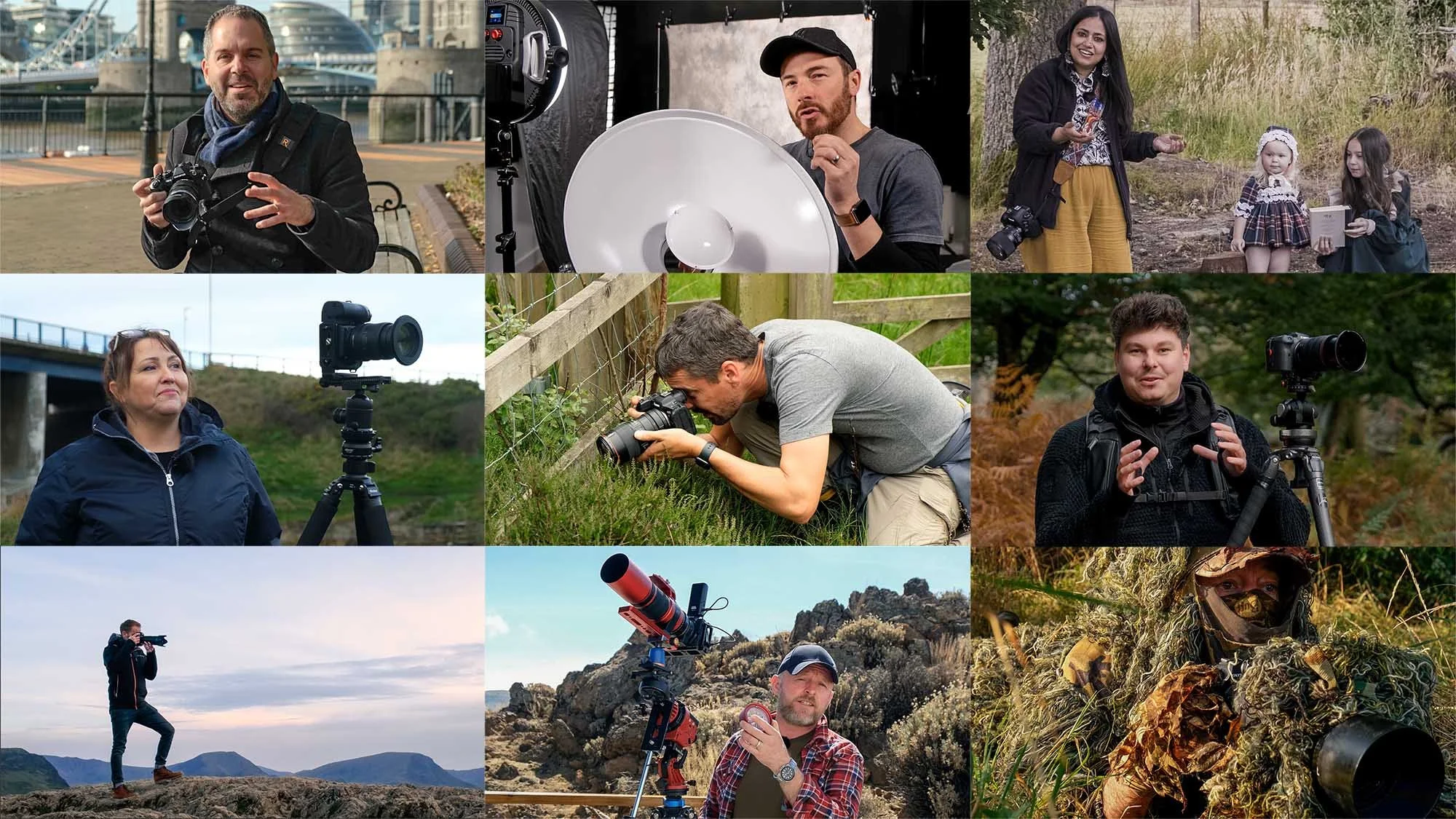
The School of Photography
Why Choose TSOP?
1000’s of videos, worksheets, lighting set-ups, Lightroom presets, raw files and much more.
Critiques of student’s work.
Monthly assignments.
Exclusive members discounts on photography brands and services.
Live Q&A sessions with pro photographers.
Personalised support.
Learn in your own time at your own pace.
Click below to see why 1000s of others across the world choose us to teach them photography.
Online Photography Courses - Become a member and get access to all of our online courses.