
London Street Photography: How to Use Light and Shadow to Create Powerful Images
London is one of the best cities in the world for street photography. From the modern architecture of the Southbank and Tate Modern to the dramatic walkways of the Barbican, there is no shortage of opportunities to create compelling images.
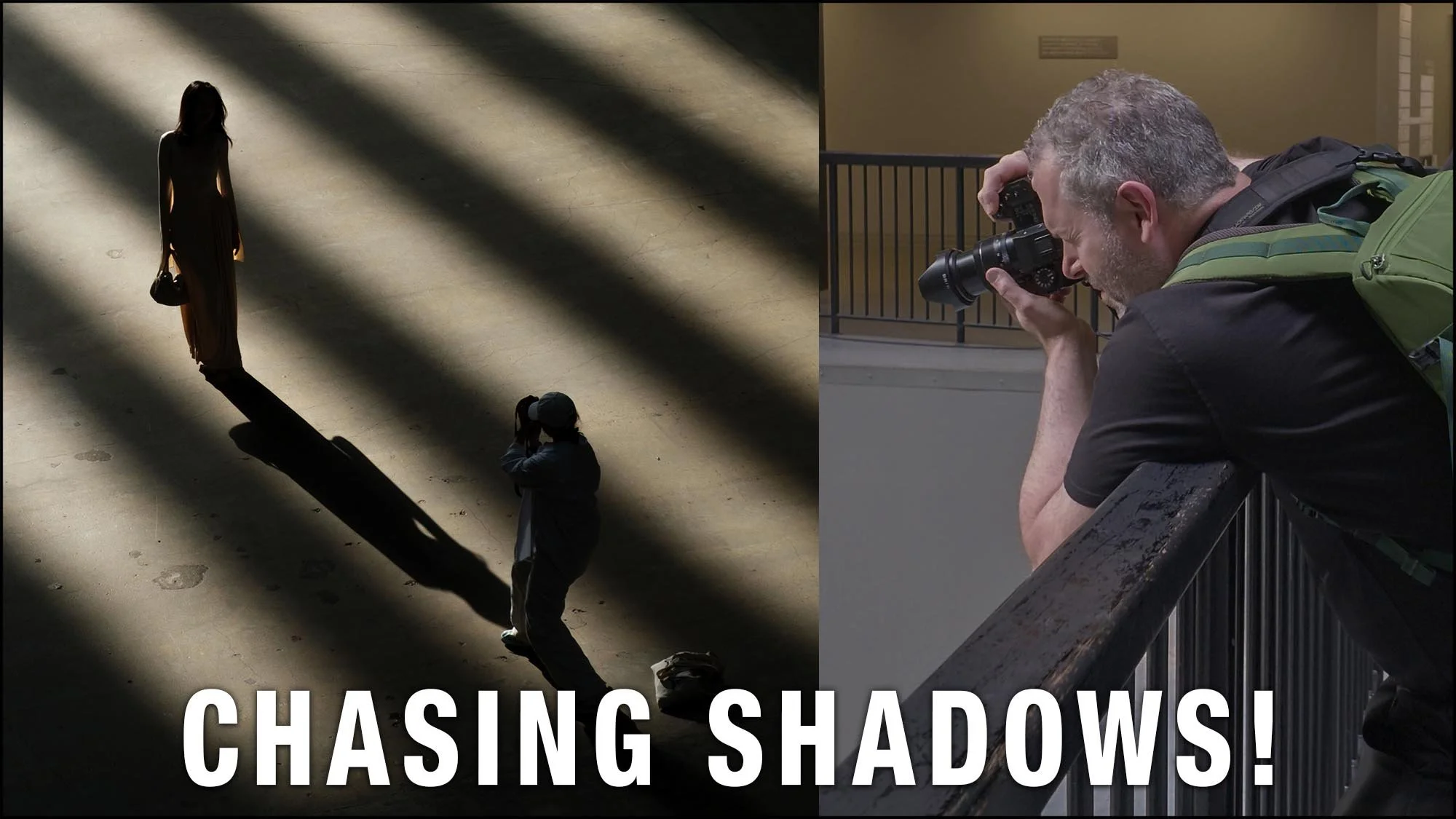
On a recent photography walk through London, I spent the day shooting with street photographer Jerry Abbott. The goal was simple: use light and shadow to create clean, powerful street photographs.
What followed was a masterclass in patience, observation and seeing beyond the obvious.
Why Light and Shadow Matter In Street Photography
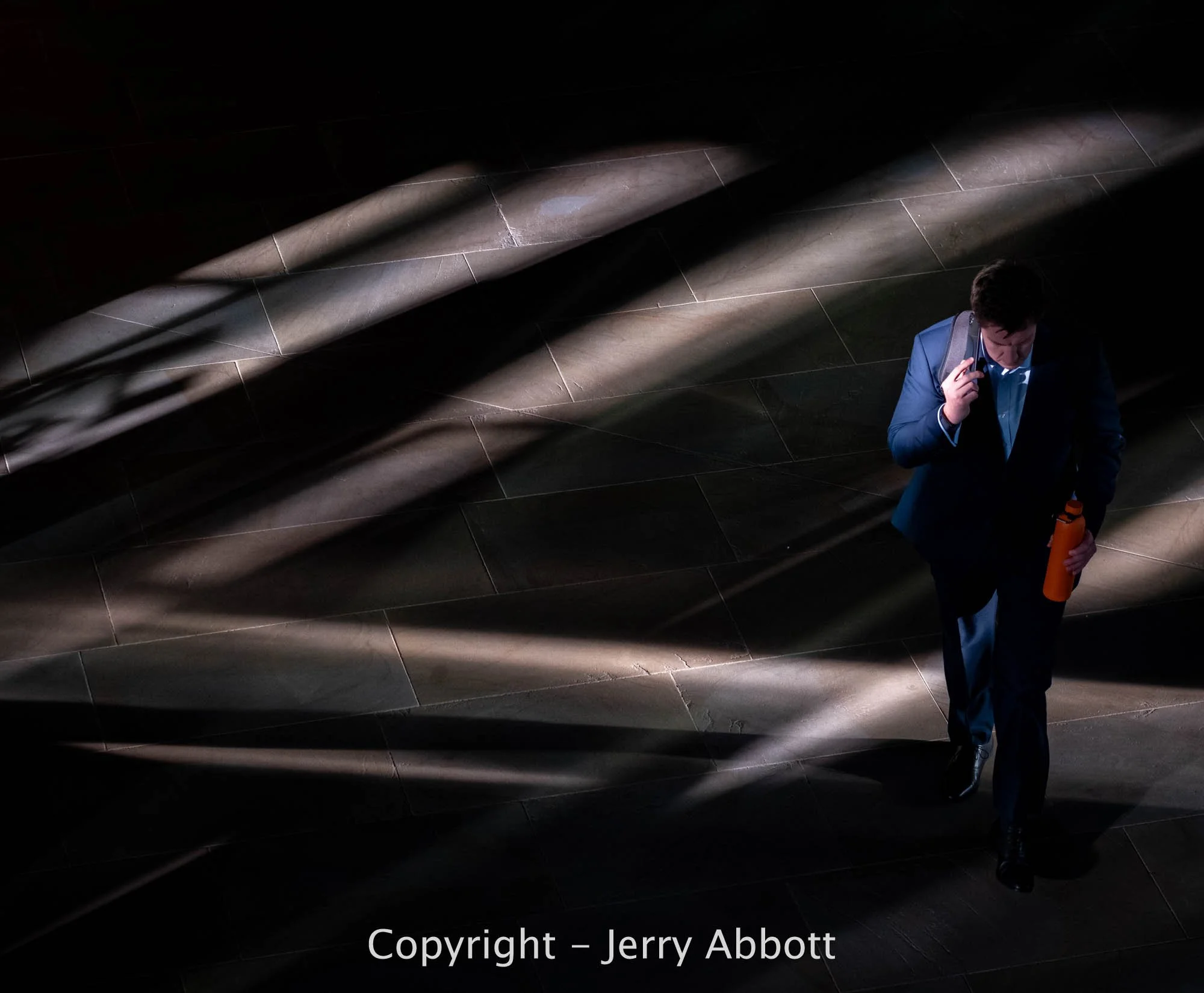
One of the biggest challenges in street photography is dealing with visual clutter. Busy streets, distracting backgrounds and large crowds can make it difficult to create a strong image. This is where light and shadow become powerful creative tools.
By using shadows to hide unwanted elements, you can simplify a scene and draw attention to your subject. Instead of photographing everything, you're choosing what the viewer sees.
Jerry's approach is to find interesting light first and then wait for the right person to enter the frame.
Rather than chasing subjects around the city, he identifies a location where light and shadow create a strong composition and patiently waits for the scene to come together.
This approach often results in cleaner, more impactful photographs.
Get access to ALL our online courses - 1000’s of videos, worksheets, critiques of students work, personalised support and much more with our monthly membership.
The Best London Street Photography Locations for Light and Shadow
Throughout the day, we visited several locations that are perfect for photographers looking to work with dramatic light.
Southbank Centre
The Southbank is one of London's most reliable locations for street photography.
The combination of concrete architecture, walkways, bridges and open spaces creates endless opportunities for strong geometric compositions.
When the sun is low, shadows stretch across the walkways and transform ordinary scenes into striking photographs.
Tate Modern
The Tate Modern proved to be one of the highlights of the day.
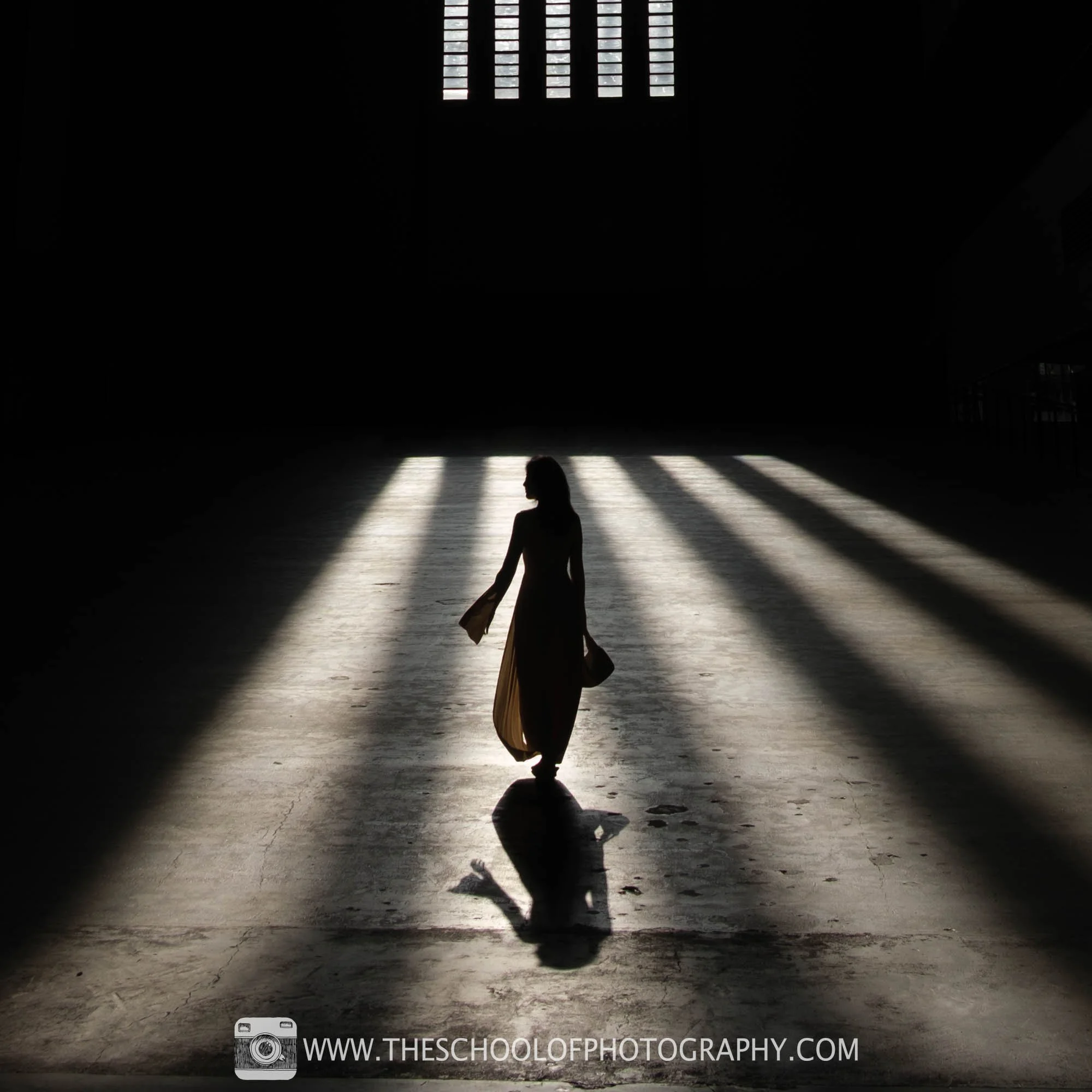
Large windows allow sunlight to stream into the building, creating beautiful patterns of light and shadow across the floor and walls.
We were fortunate enough to photograph a subject within these light beams, resulting in some of the strongest images of the day.
The combination of architecture, scale and directional light makes the Tate Modern an excellent location for photographers interested in minimalist street photography.
Blackfriars and St Paul’s
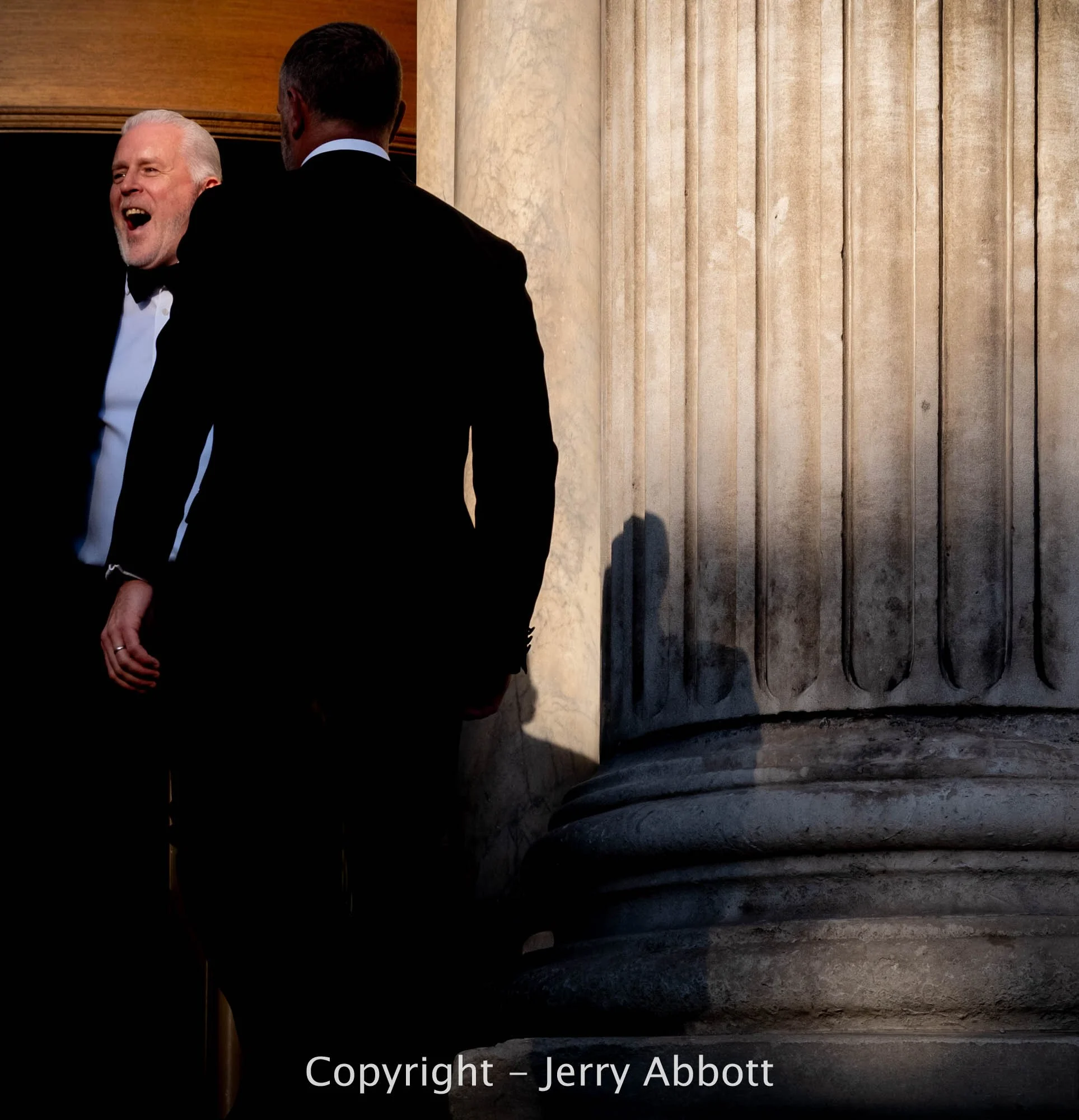
As the afternoon progressed, we headed towards Blackfriars and St Paul's Cathedral.
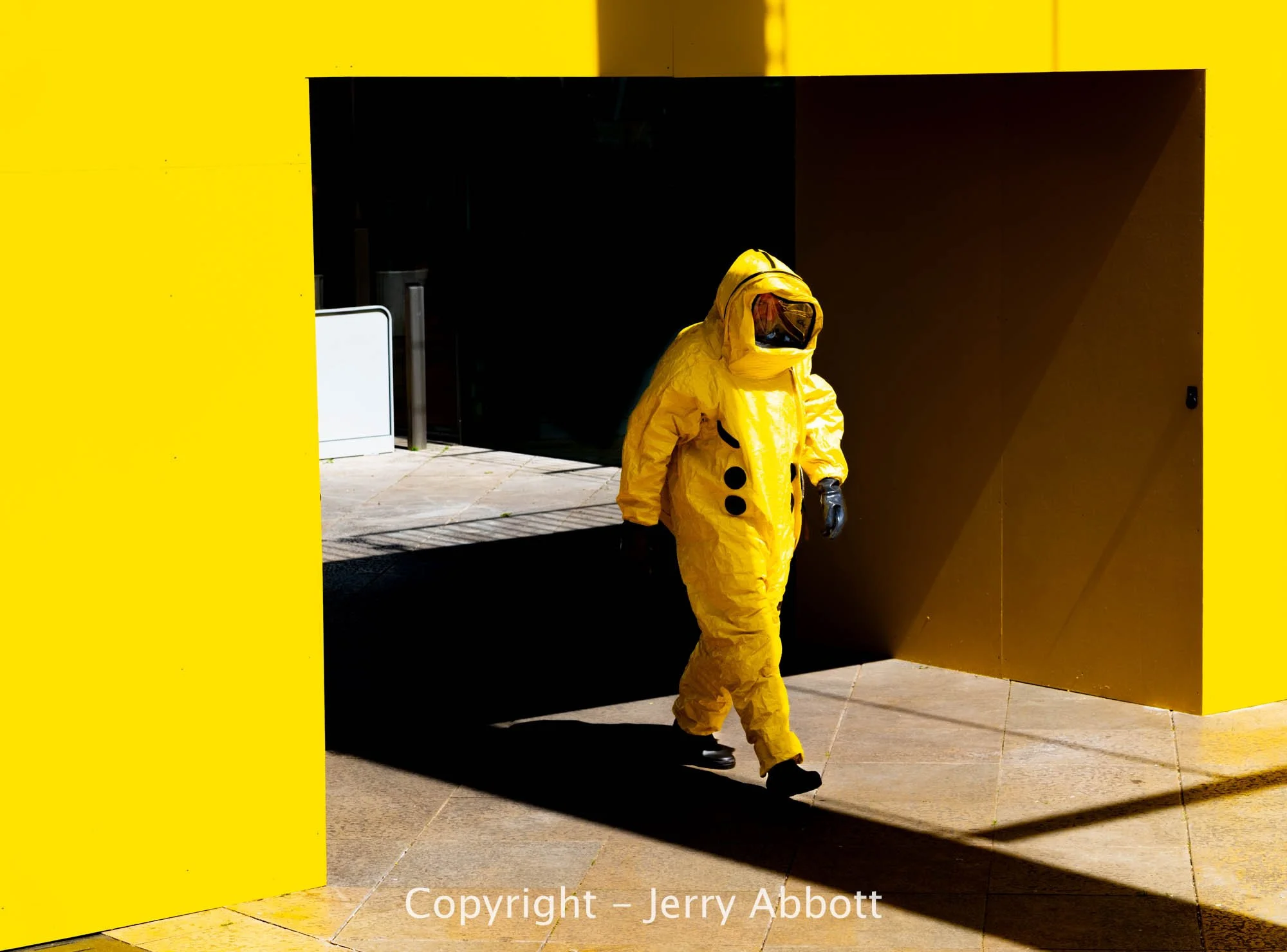
With the sun beginning to drop lower in the sky, the shadows became longer and more dramatic.
This is often the best time of day for street photography. The softer light creates atmosphere, while long shadows introduce shape, depth and visual interest
The Barbican
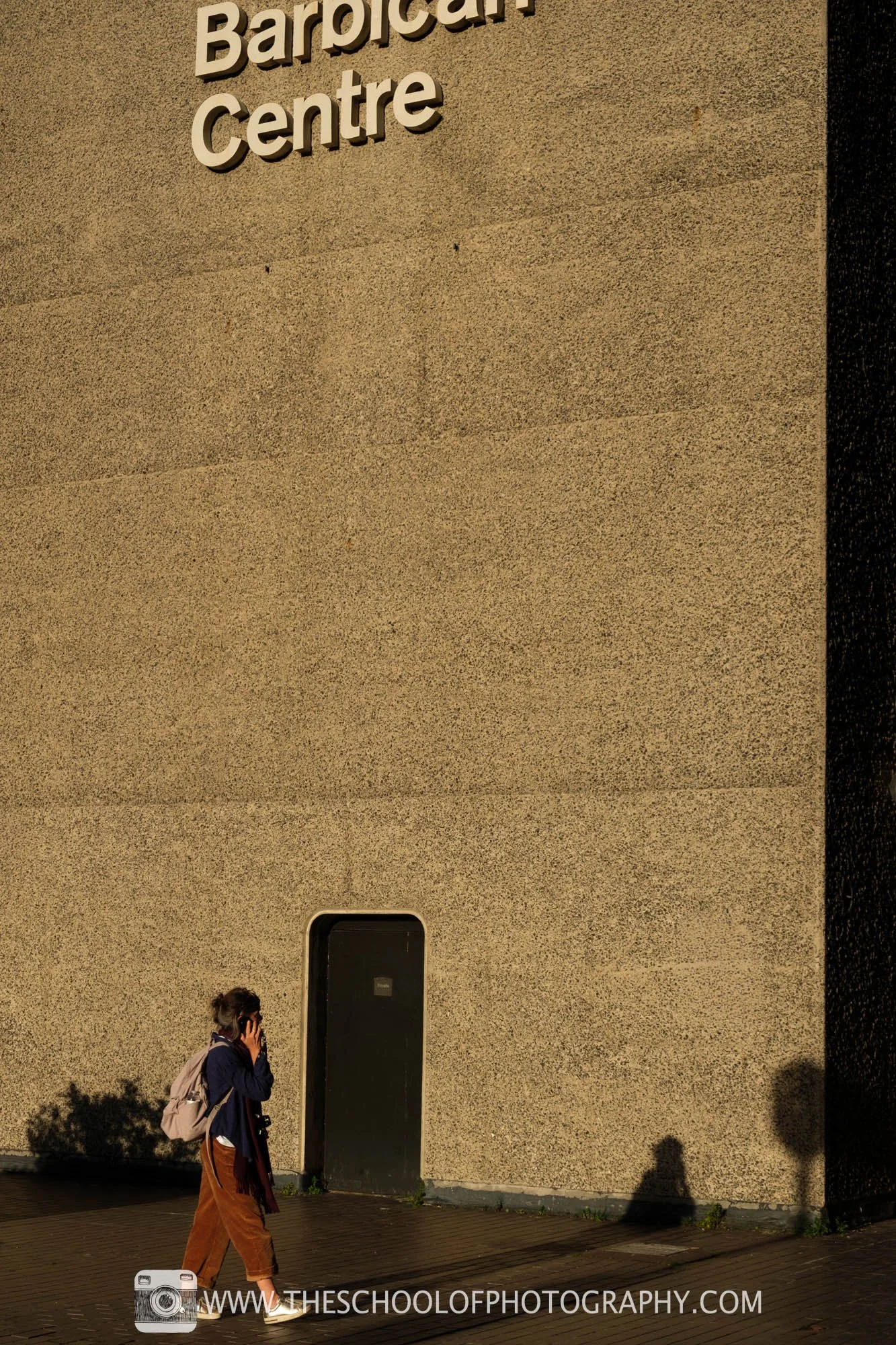
Unfortunately, we ran out of daylight before fully exploring the Barbican.
However, even a brief visit confirmed why it remains one of London's most popular photography locations.
Its unique architecture, elevated walkways and strong graphic lines make it a paradise for photographers who enjoy working with shape, form and shadow.
It's definitely a location we'll be returning to.
The Importance of Clean Composition
When discussing what makes a great street photograph, one word came up repeatedly: composition.
Street photography doesn't always need dramatic action or unusual subjects.
Sometimes an ordinary moment becomes extraordinary because of how it's framed.
Strong composition allows photographers to transform everyday life into something visually engaging.
Removing distractions, simplifying backgrounds and carefully positioning subjects within the frame all contribute to creating stronger images.
A good street photograph often feels effortless, but in reality it is usually the result of careful observation and timing.
Street Photography Camera Settings
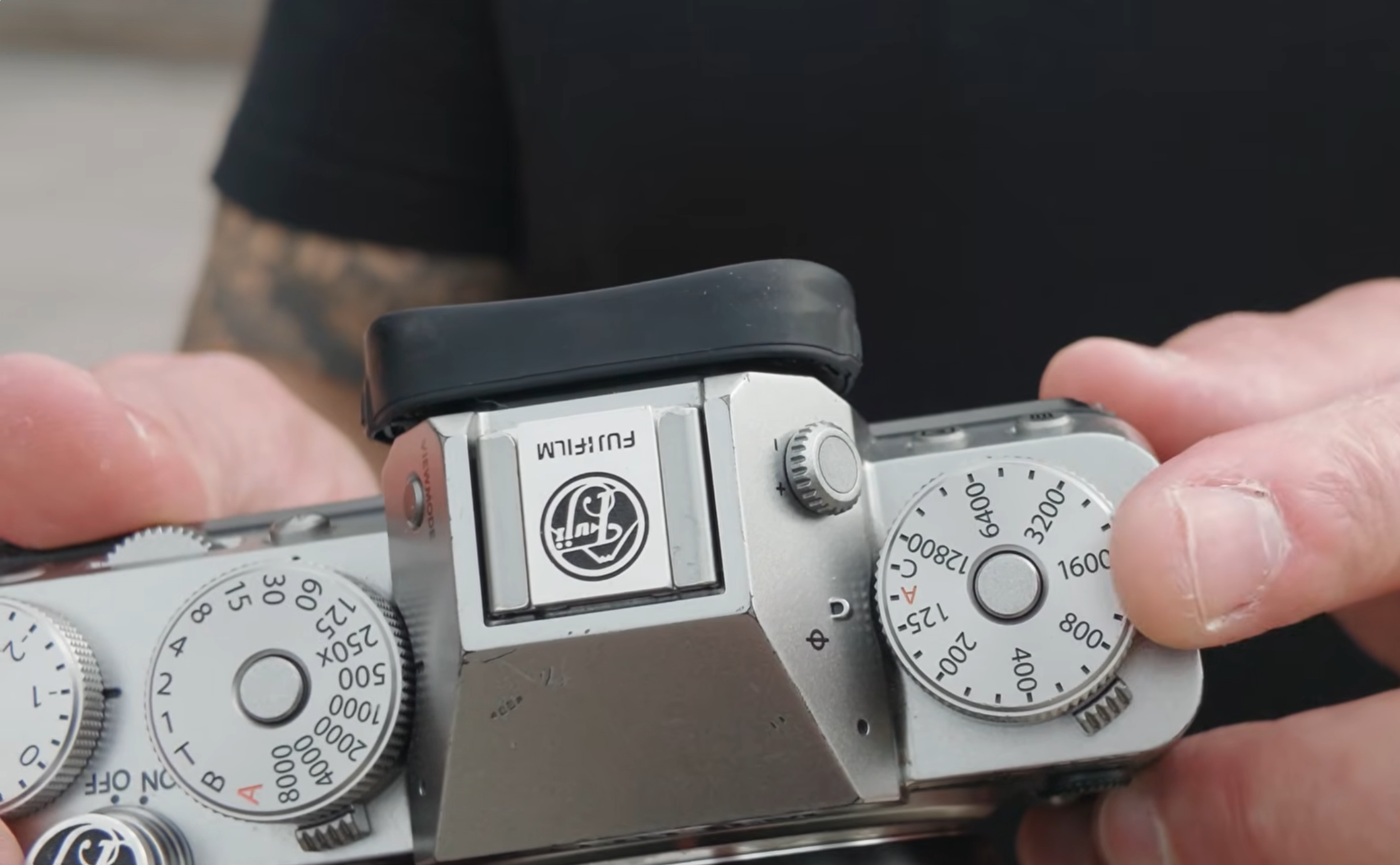
Many photographers ask about camera settings, but there is rarely a single correct answer.
For this shoot, Jerry worked primarily with a Fujifilm X-T5 and a 56mm f/1.2 lens.
His setup included:
• Continuous autofocus
• Aperture Priority mode
• Exposure compensation set to approximately -1 stop
• Shutter speeds around 1/500 second
• Face detection available via a custom function button
I used a Fujifilm X-H2S with the 18-55mm kit lens, shooting in Aperture Priority mode with a minimum shutter speed setting to ensure images remained sharp.
The most important takeaway isn't the exact settings.
It's choosing a setup that allows you to concentrate on the scene rather than constantly adjusting your camera.
Advice for Beginner Street Photographers
If you're new to street photography, the best advice is surprisingly simple.
Get out and shoot.
Many beginners worry about photographing strangers or feel nervous about being noticed.
That's completely normal.
Start during the daytime when conditions are easier and visibility is better. Choose a lens that suits your comfort level and focus on observing the world around you.
As your confidence grows, you'll naturally become more comfortable working closer to your subjects.
Most importantly, don't spend all your time watching videos or reading articles.
Street photography is learned by doing
Final Thoughts
Our day exploring London proved once again that great street photography isn't about expensive equipment or exotic locations.
It's about observation.
It's about understanding light.
And it's about recognising that extraordinary photographs often emerge from ordinary moments.
Whether you're photographing the Southbank, the Tate Modern, St Paul's or the Barbican, learning to see light and shadow differently can transform your photography.
The next time you're out with your camera, don't start by looking for people.
Start by looking for the light.
Then wait for the story to walk into the frame.
4 Street Photography Lessons to take from a Day in London
1. Look for light first.
2. Simplify with shadows.
3. Be patient.
4. Focus on composition.


