Can Film Recipes Improve Your Street Photography? - London Photo Walk
If you’ve ever wondered whether Fujifilm film recipes are worth using for street photography, there’s no better way to put them to the test than by taking your camera onto the streets of London.
For this second street photography challenge, Jerry Abbott and I returned to some of London's most photogenic street photography locations, including the Barbican, Leadenhall Market and Brick Lane. Our mission wasn't to test cameras or compare lenses—it was to see how shooting with classic film recipes would influence the way we photographed and the images we created.
Whether you're already using Fujifilm film simulations or you're completely new to the idea of film recipes, this was a fascinating day behind the camera.
What Are Fujifilm Film Recipes?
Film recipes are custom camera settings that recreate the look of classic analogue films directly in your Fujifilm camera. Instead of applying presets later in Lightroom, these recipes adjust colour, contrast, grain, white balance and tonal response before you even press the shutter.
Many photographers download recipes from websites such as Fuji X Weekly, where you'll find hundreds of profiles inspired by famous films including:
• Kodachrome 64
• Kodak Gold
• Tri-X
• Ilford Delta
• Velvia
• Provia
The beauty of using recipes is that they encourage you to think about the final image while you're shooting rather than afterwards.
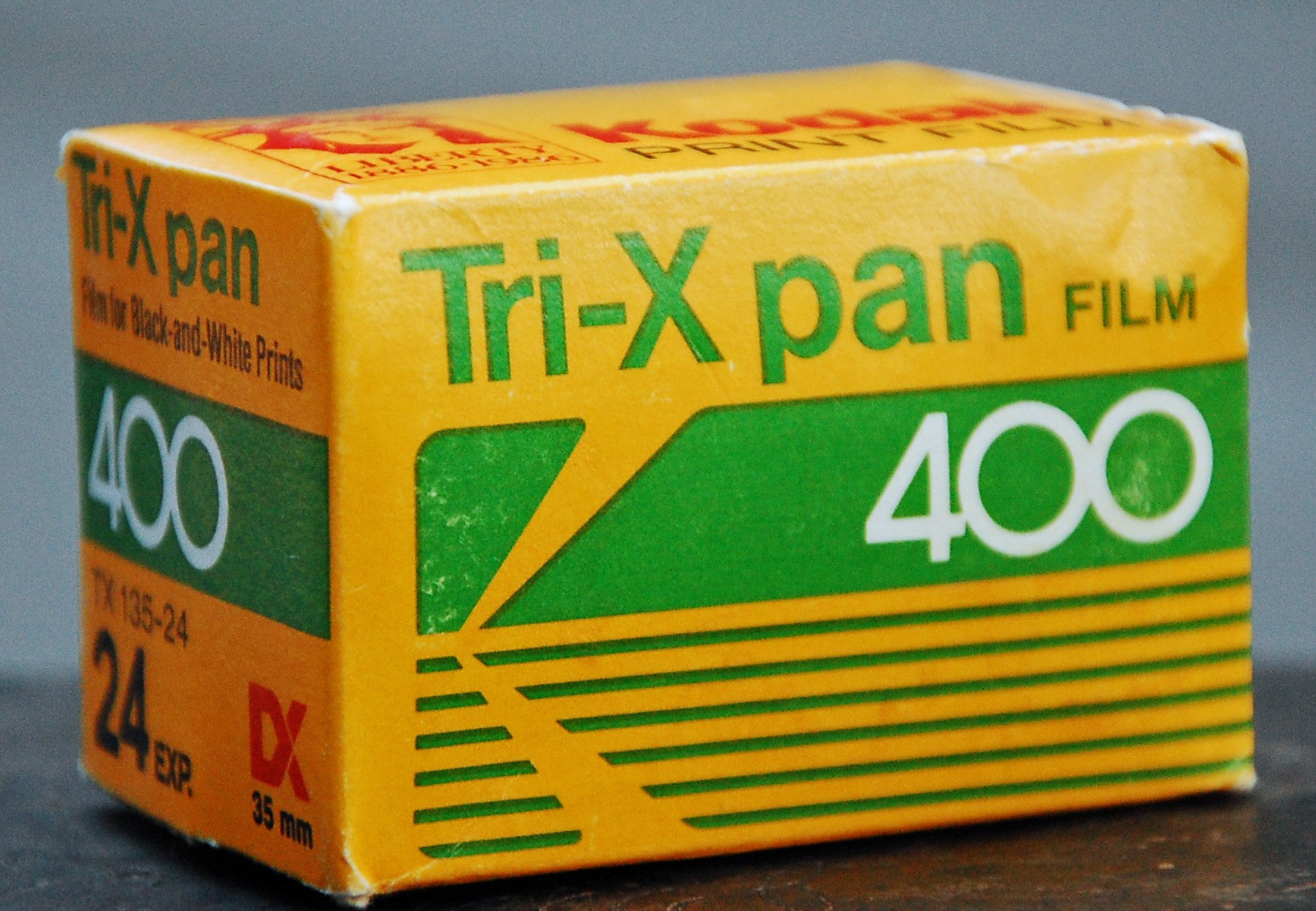
Kodak Tri-X pan film
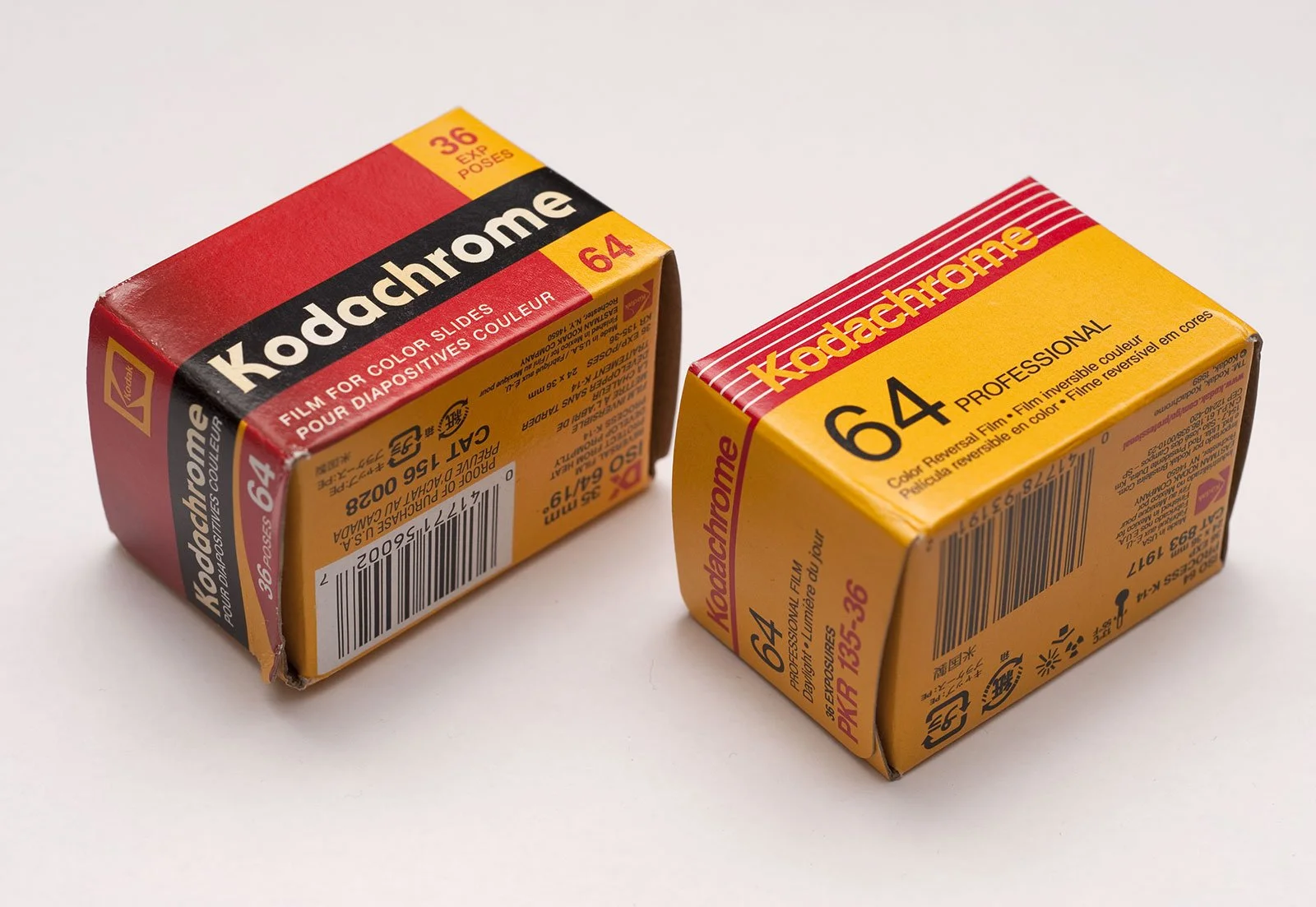
Kodachrome 64 film
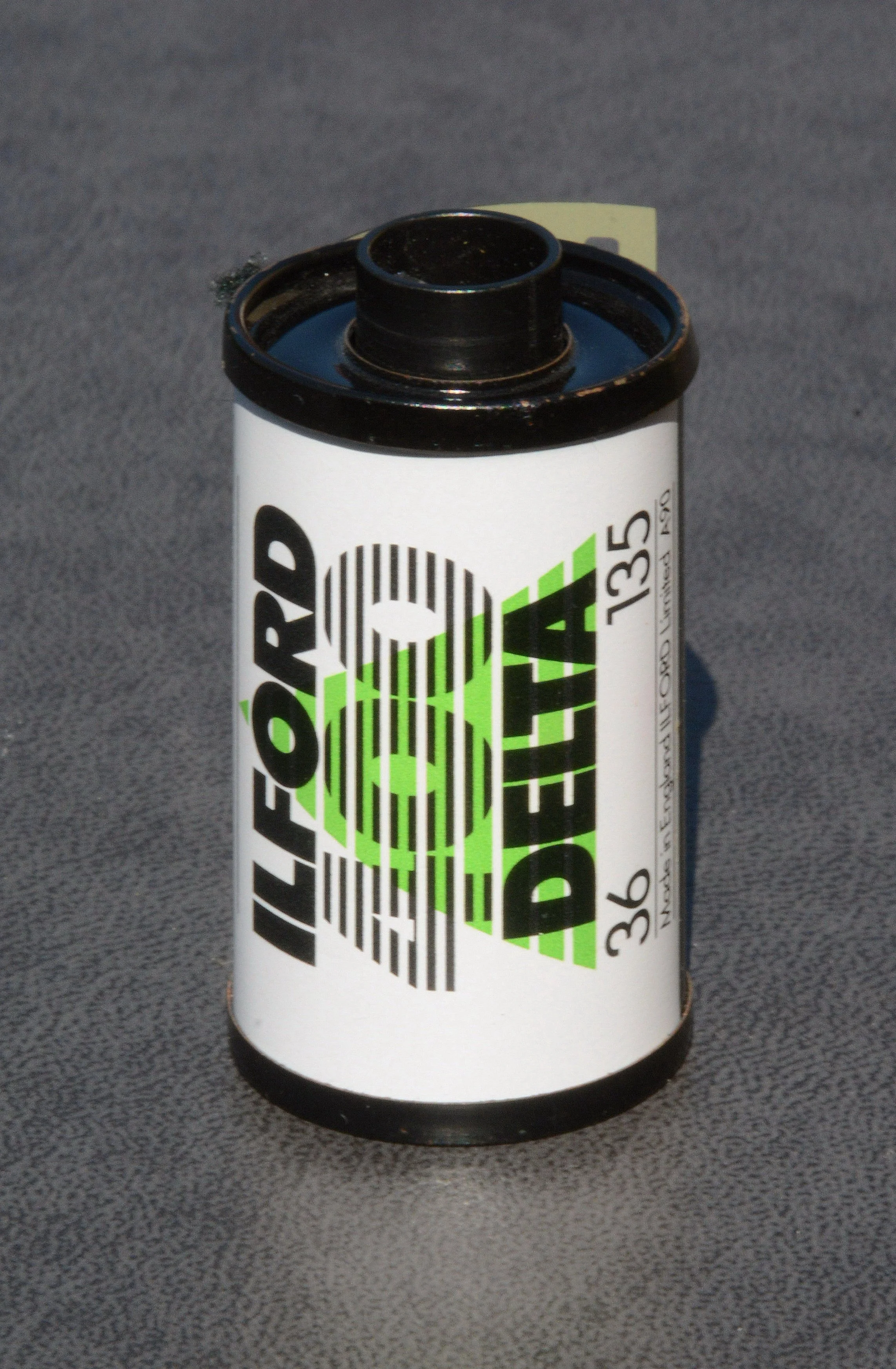
Ilford Delta 400 film
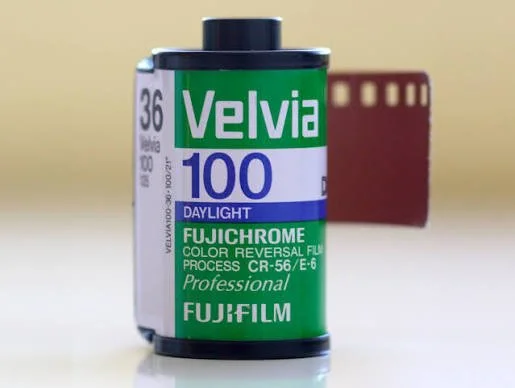
Fuji Velvia Colour Film
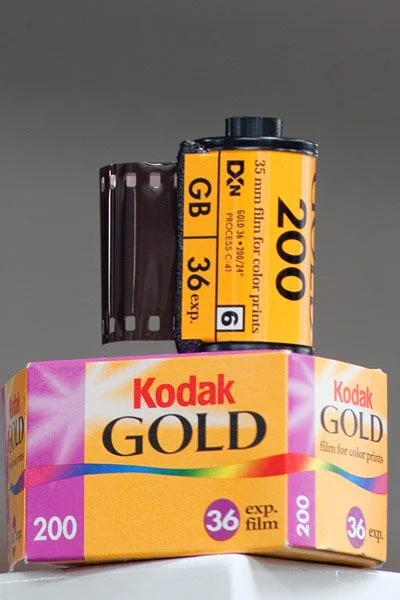
Kodak Gold Colour Film
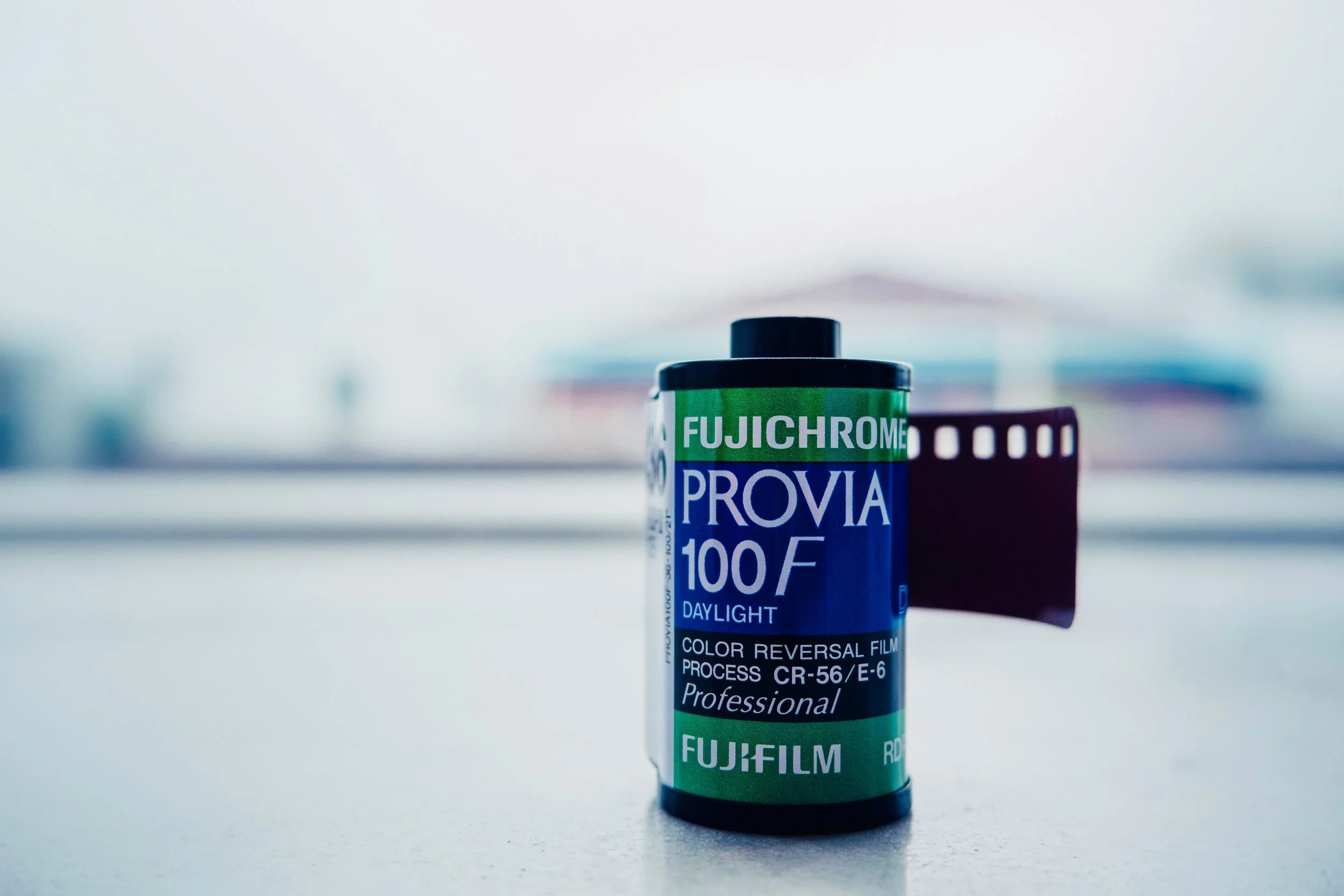
Fuji Provia Colour Film
Why We Chose London
London is one of the best cities in the world for street photography. Every few streets the atmosphere changes completely.
On this photo walk we visited:
• The Barbican
• Bank
• Leadenhall Market
• Brick Lane
Each location offered something different—from clean architectural lines and dramatic shadows to colourful graffiti and busy market scenes.
That variety made it the perfect place to compare different film recipes throughout the day
Get access to ALL our online courses - 1000’s of videos, worksheets, critiques of students work, personalised support and much more with our monthly membership.
The Barbican – A Photographer's Playground
We started back at the Barbican after enjoying it so much during our previous street photography challenge.
The constantly changing light, geometric architecture and elevated walkways make it an incredible place for photographers who enjoy:
· symmetry
· leading lines
· frame-within-a-frame compositions
· minimal street photography
With patches of sunlight appearing throughout the morning, it was also the ideal location to see how different recipes handled contrast and colour.
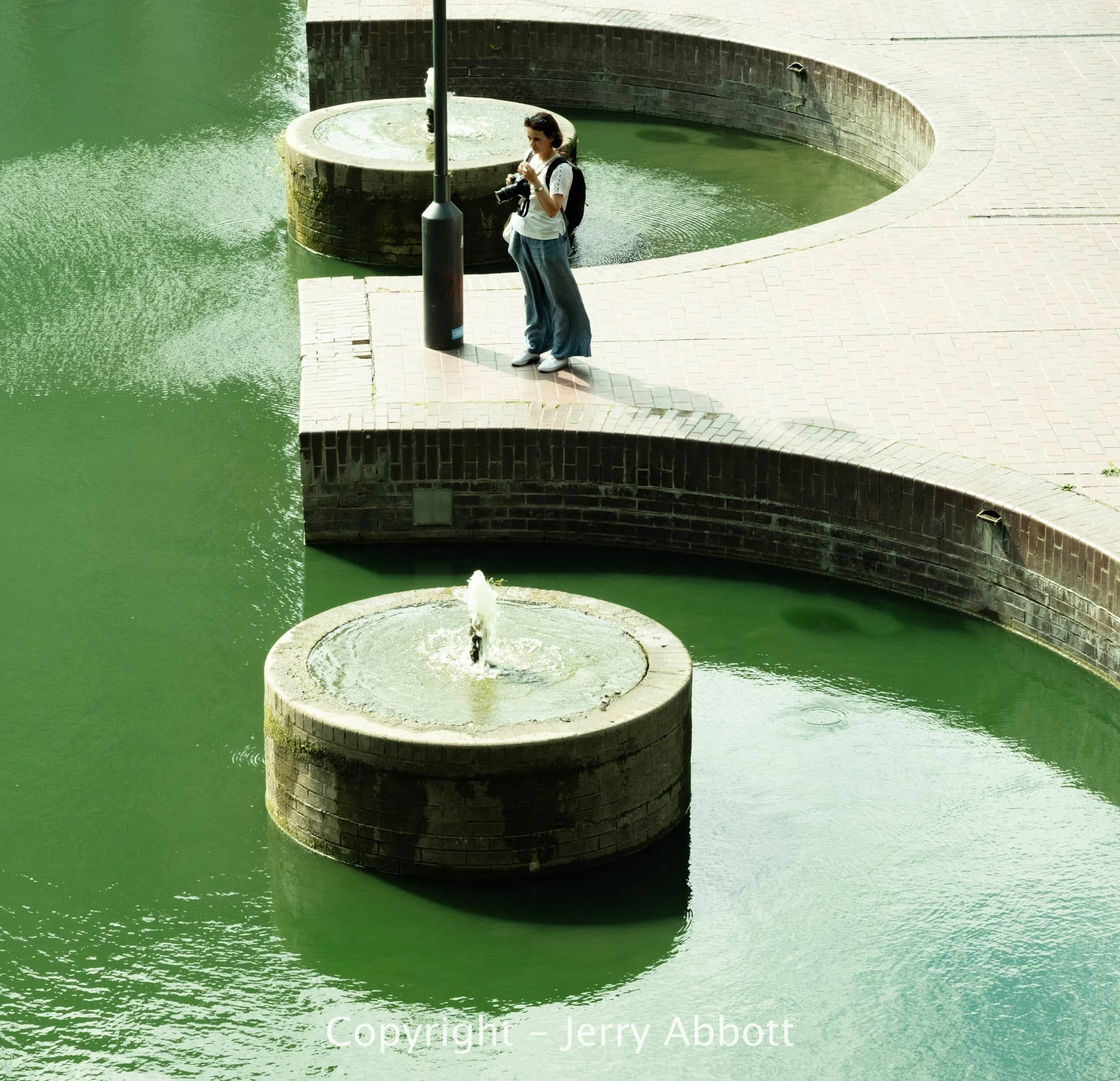
Kodak Gold Fujifilm Film Recipe
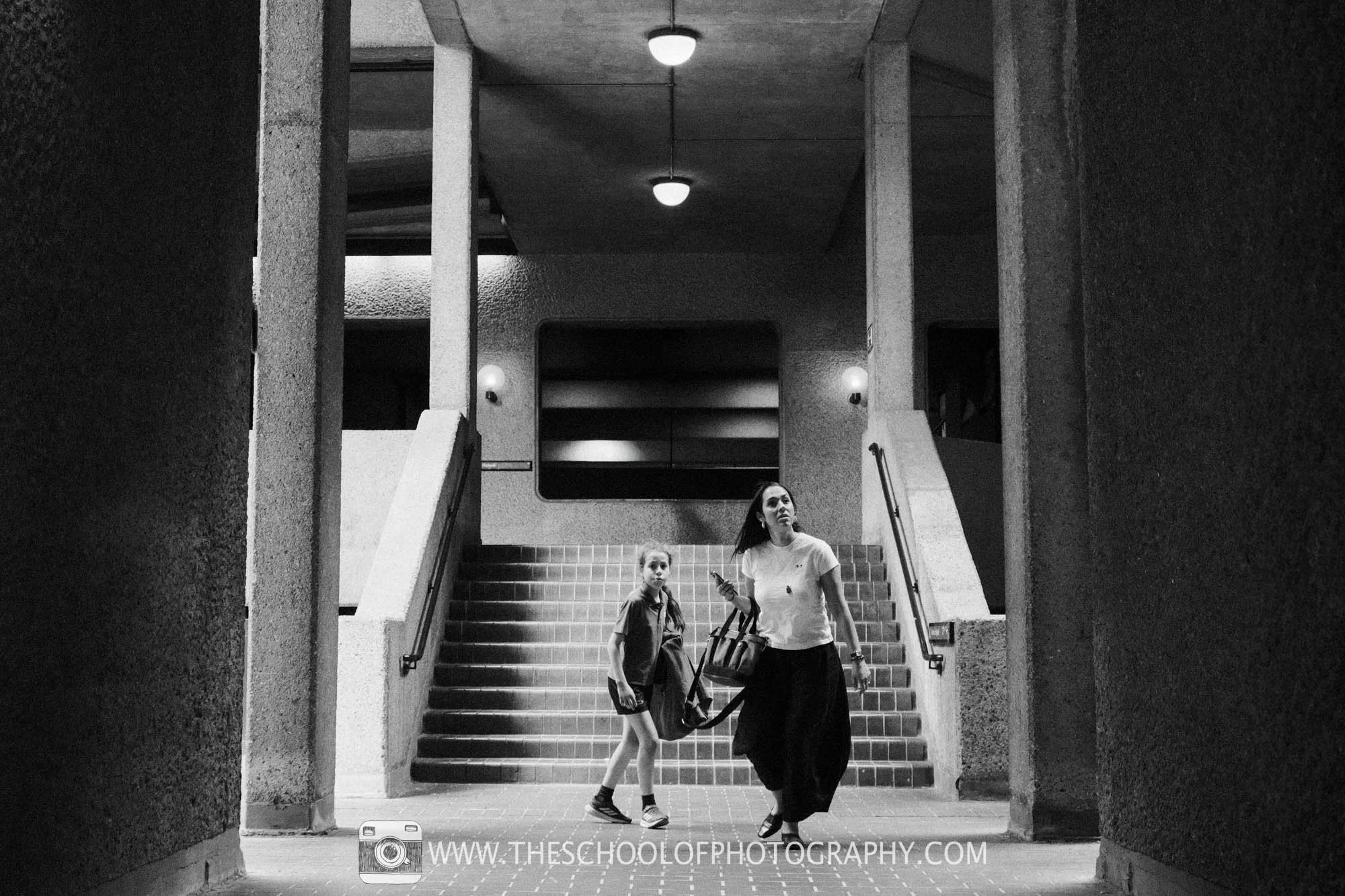
Tri-X- 400 Fujifilm film recipe
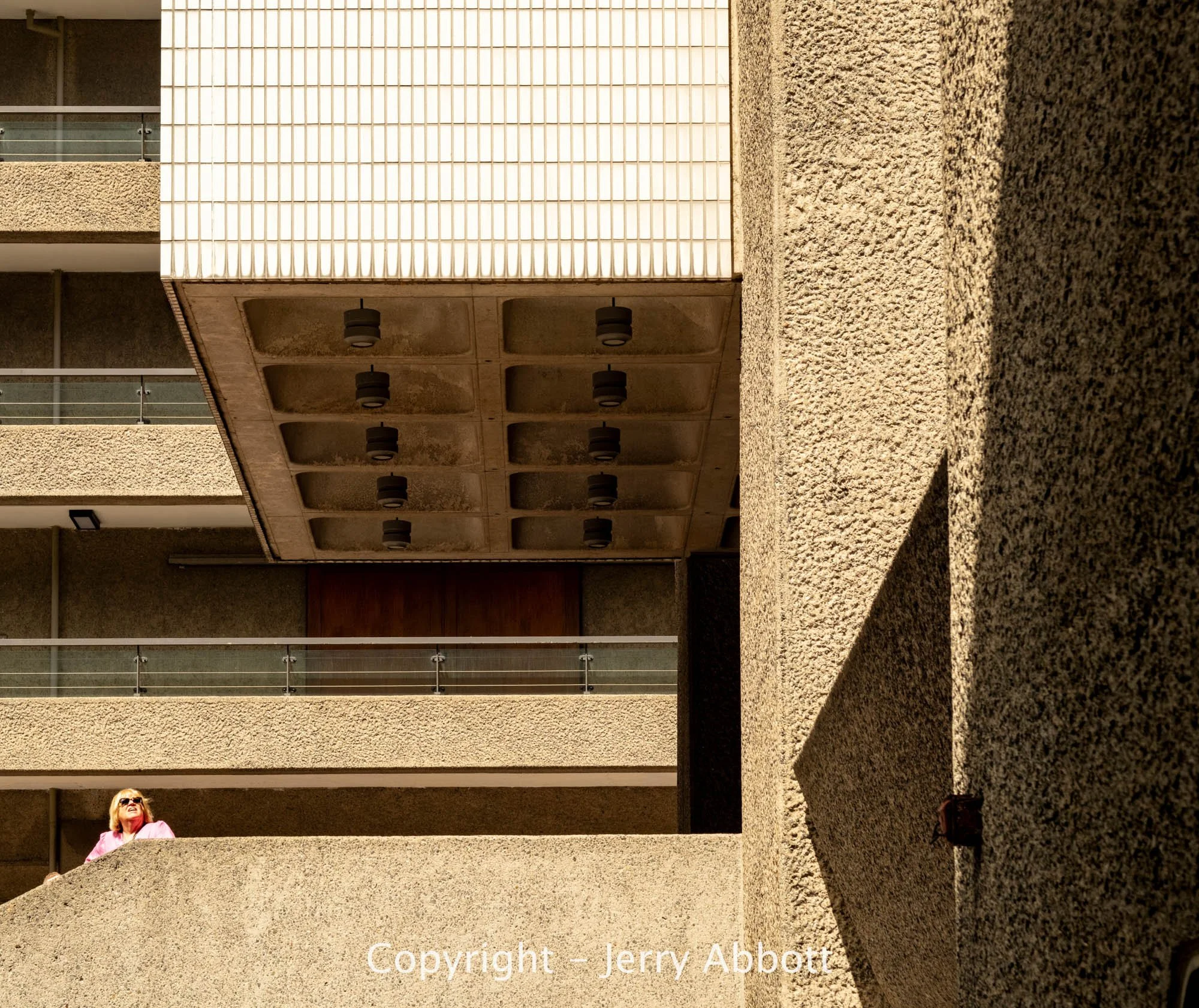
Kodak Gold Fujifilm Film Recipe
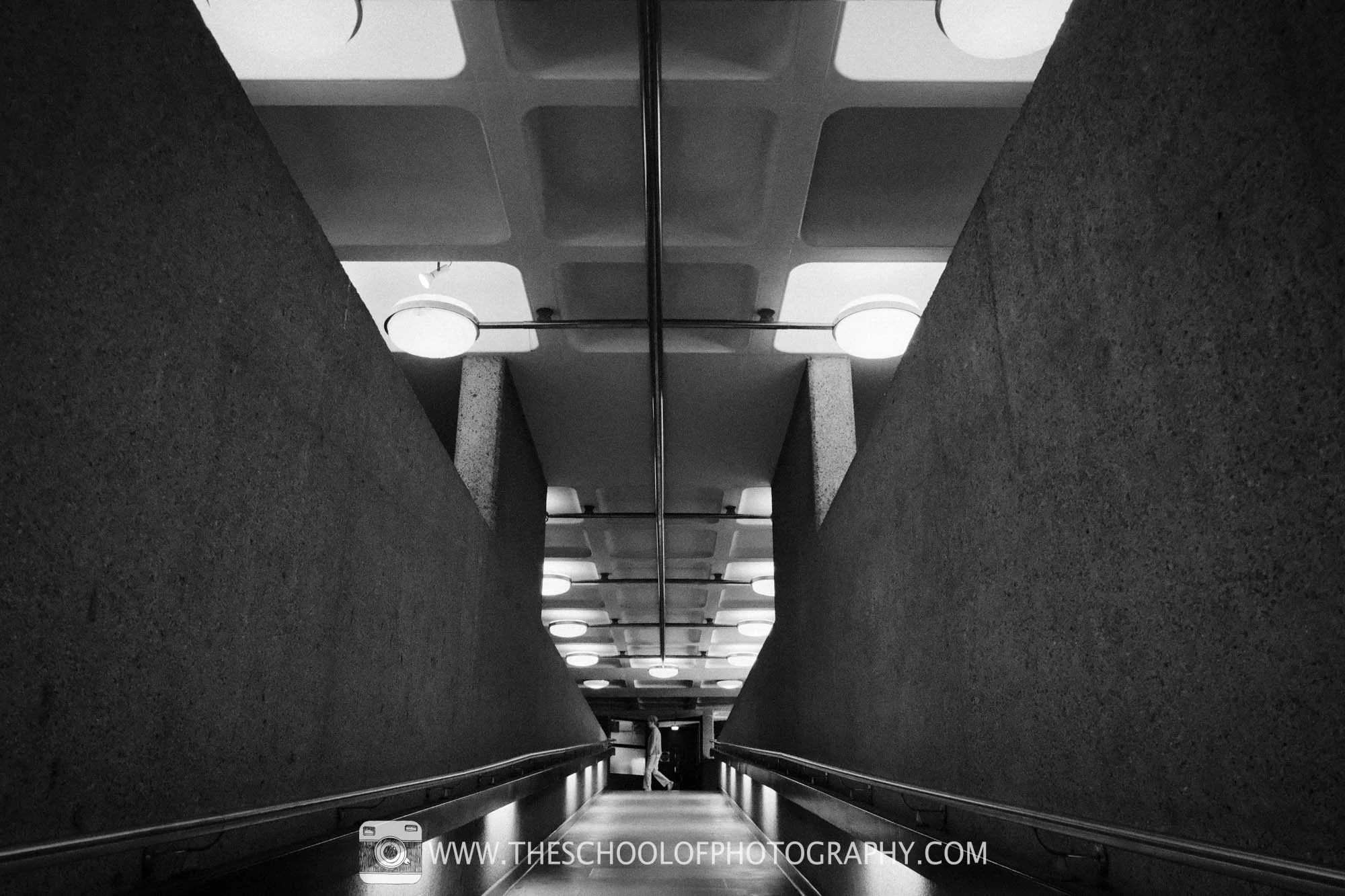
Tri-X- 400 Fujifilm film recipe
Which Film Recipes Did We Use?
Throughout the day we experimented with several classic film looks.
My favourites quickly became:
· Kodachrome 64 for warm, nostalgic colour.
· Tri-X for bold, contrasty black-and-white street photography.
Jerry experimented with several others, including Kodak Gold and a beautifully warm 1970s-inspired recipe before moving onto a subtle 1960s Chrome profile later in the day.
One thing became obvious quite quickly. The more we experimented, the more we both found ourselves returning to the recipes that simply felt right for our style of photography.
Sometimes less choice leads to better photographs.
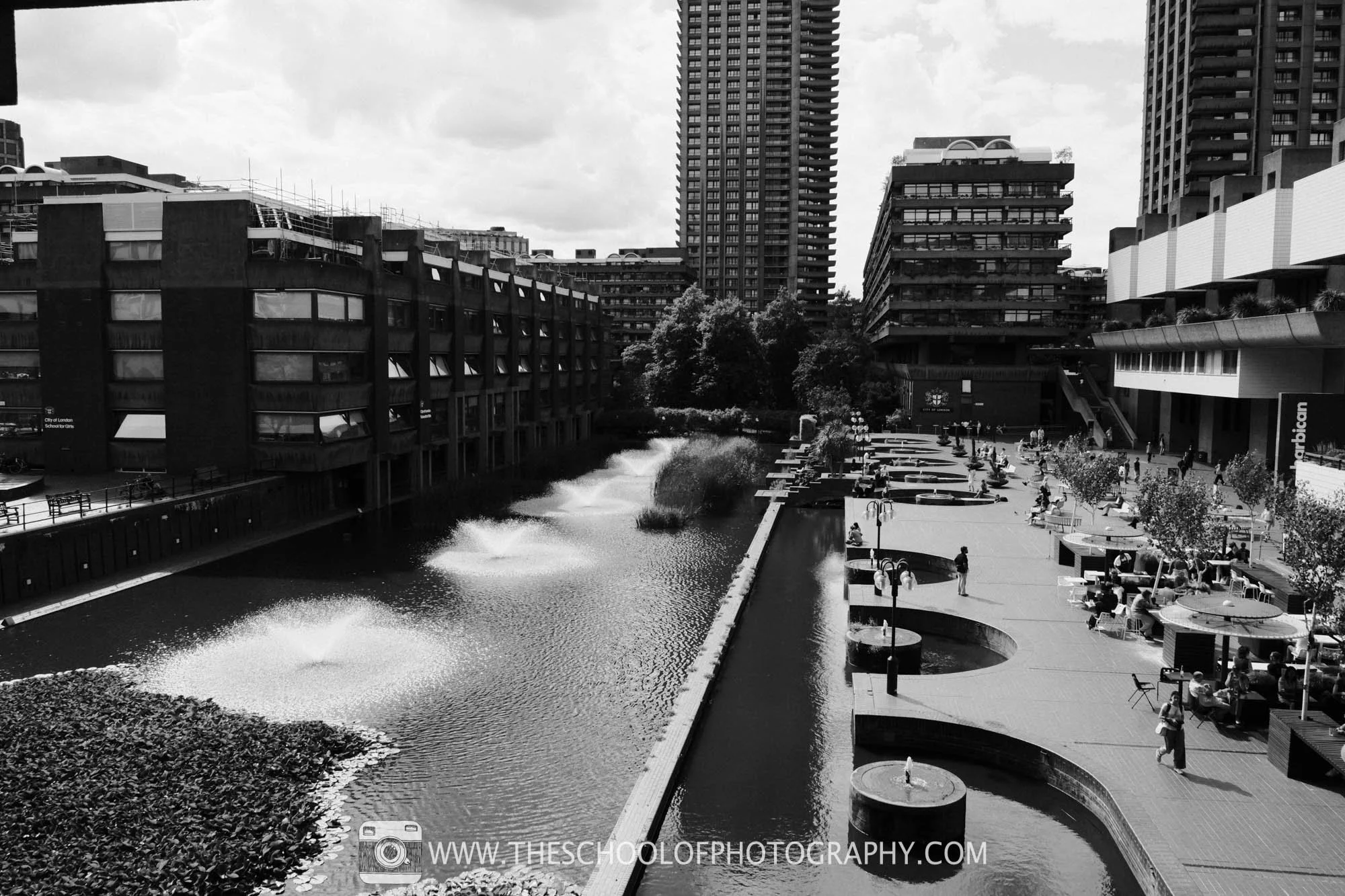
Tri-X- 400 Fujifilm film recipe
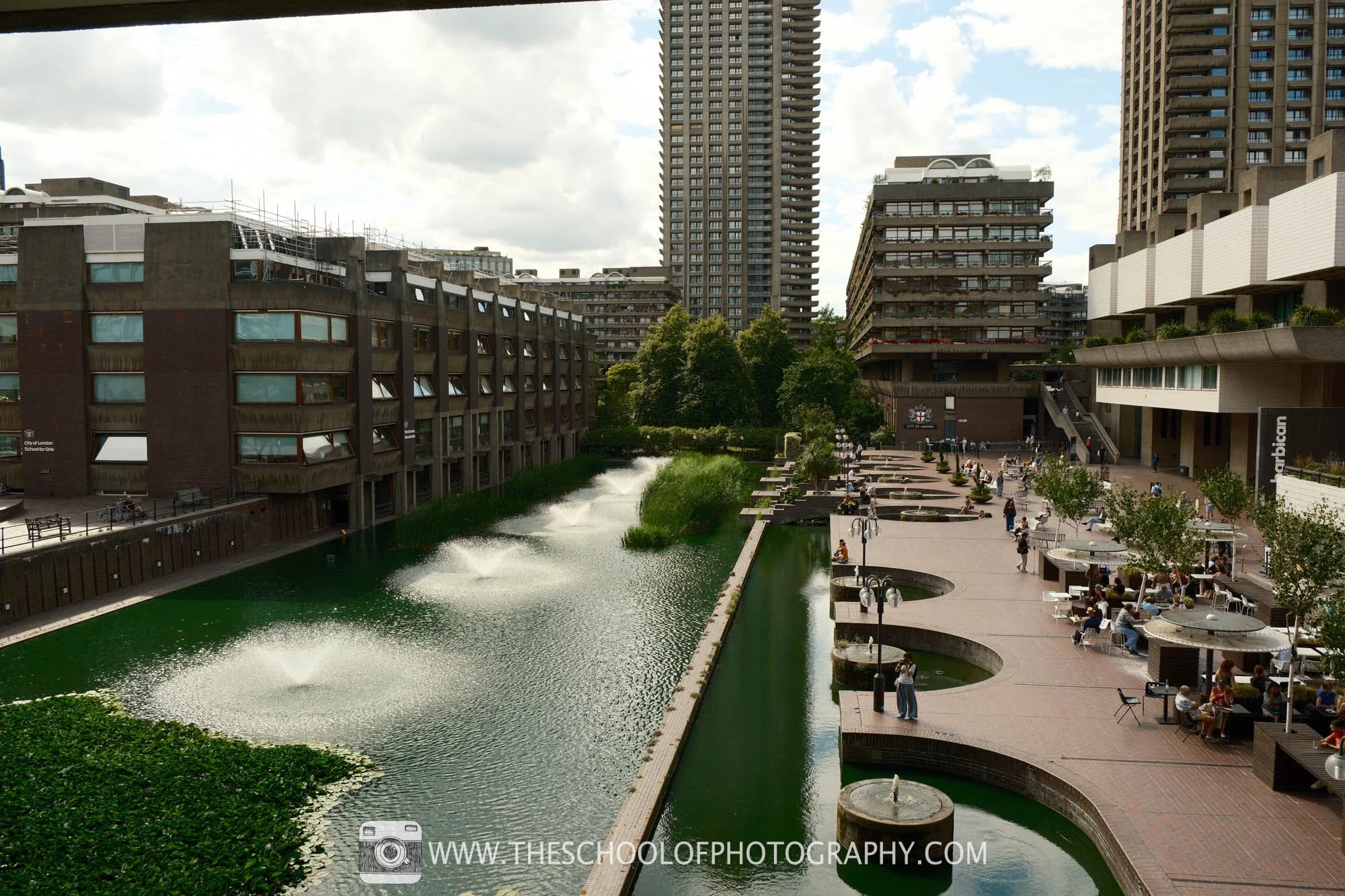
Kodachrome 64 Fujifilm film recipe
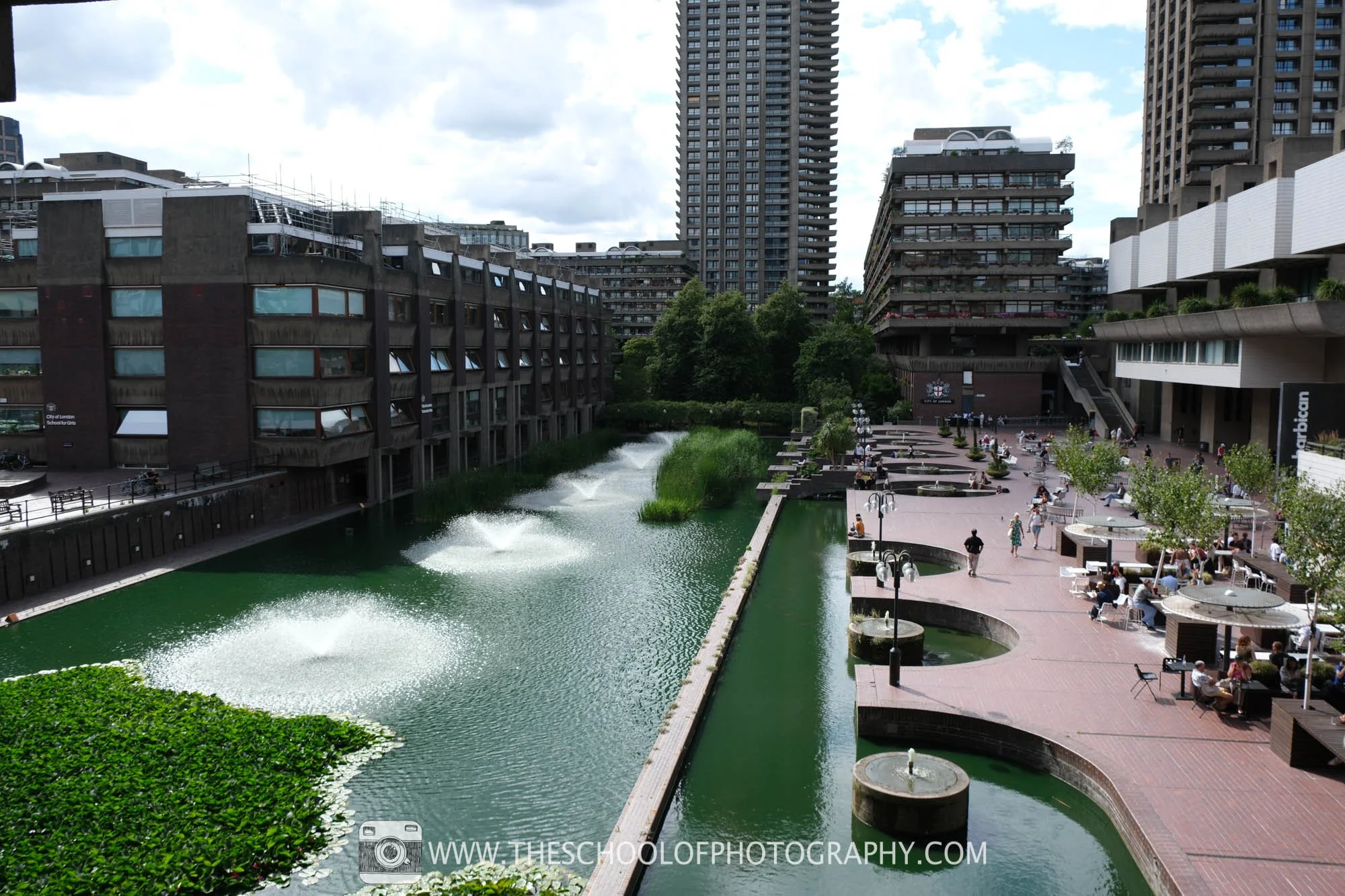
Camera standard, no recipe added
Do Film Recipes Improve Your Photography?
This is probably the biggest question people ask.
The answer?
Not directly.
Film recipes won't suddenly improve your composition or timing.
What they do is encourage you to slow down and commit to a particular look before pressing the shutter.
Instead of thinking:
"I'll fix it later in Lightroom."
You're thinking:
"Does this scene suit Kodachrome or Tri-X?"
Brick Lane - The Perfect Place or Colour
If the Barbican is about shape and structure, Brick Lane is all about colour.
The vibrant street art, shopfronts, cafés and characters made it the perfect place to experiment with warmer film recipes.
Although we both tried several different looks during the afternoon, we each found ourselves settling back into our favourites rather than constantly changing recipes.
That consistency helped us focus on finding photographs rather than endlessly adjusting camera settings.
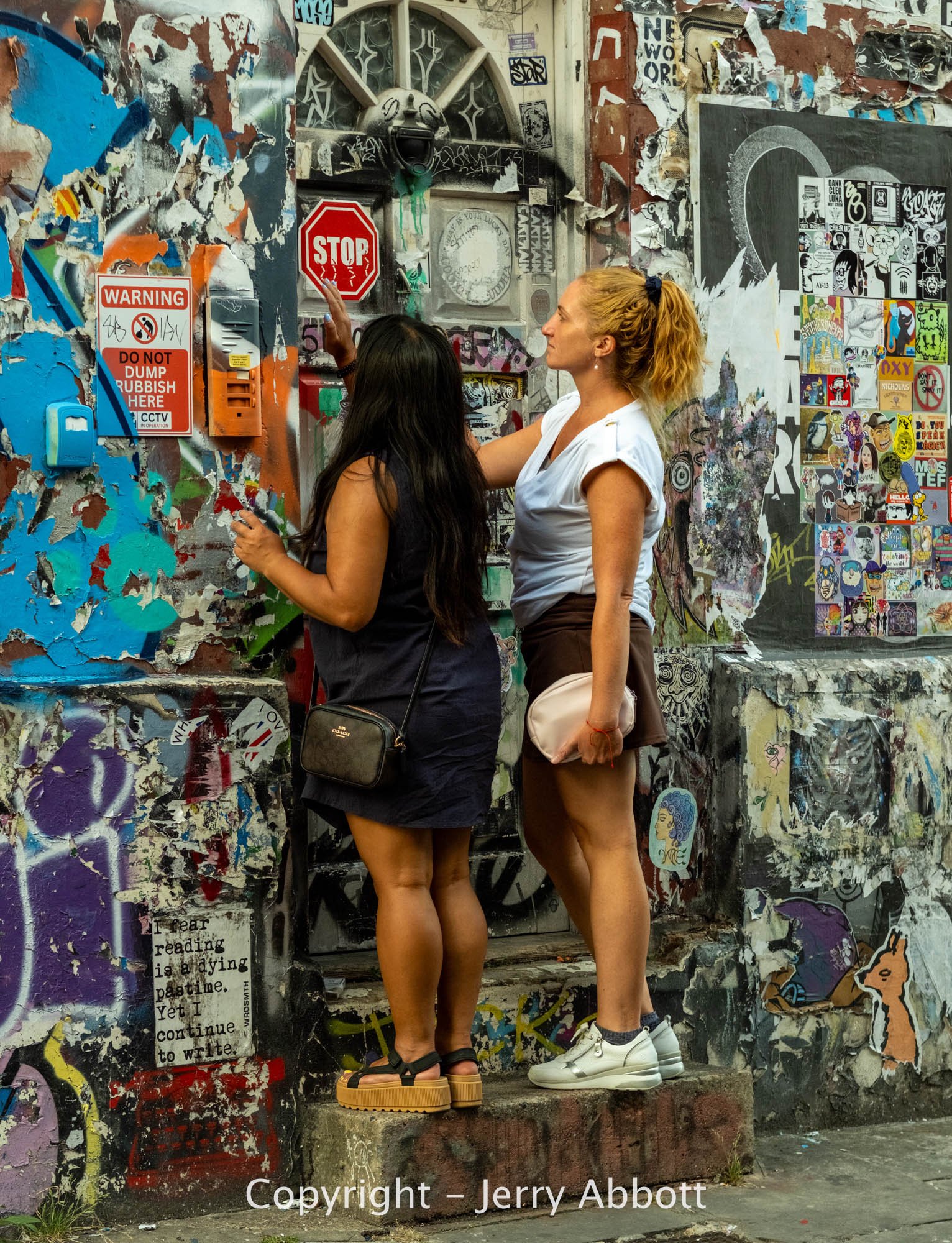
Two visitors explore the colourful layers of graffiti and street art on Brick Lane.
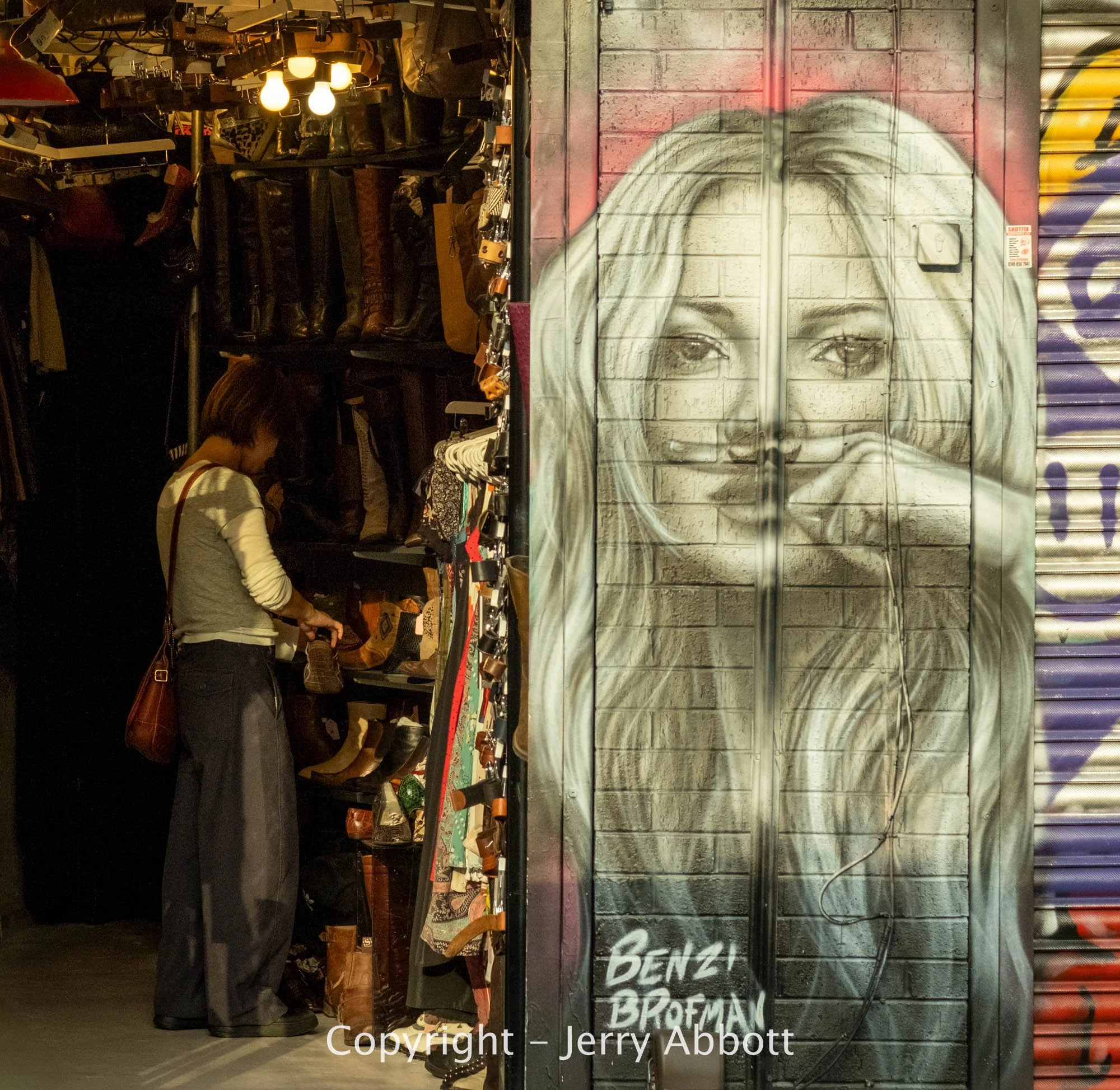
Street art and everyday life come together on Brick Lane.
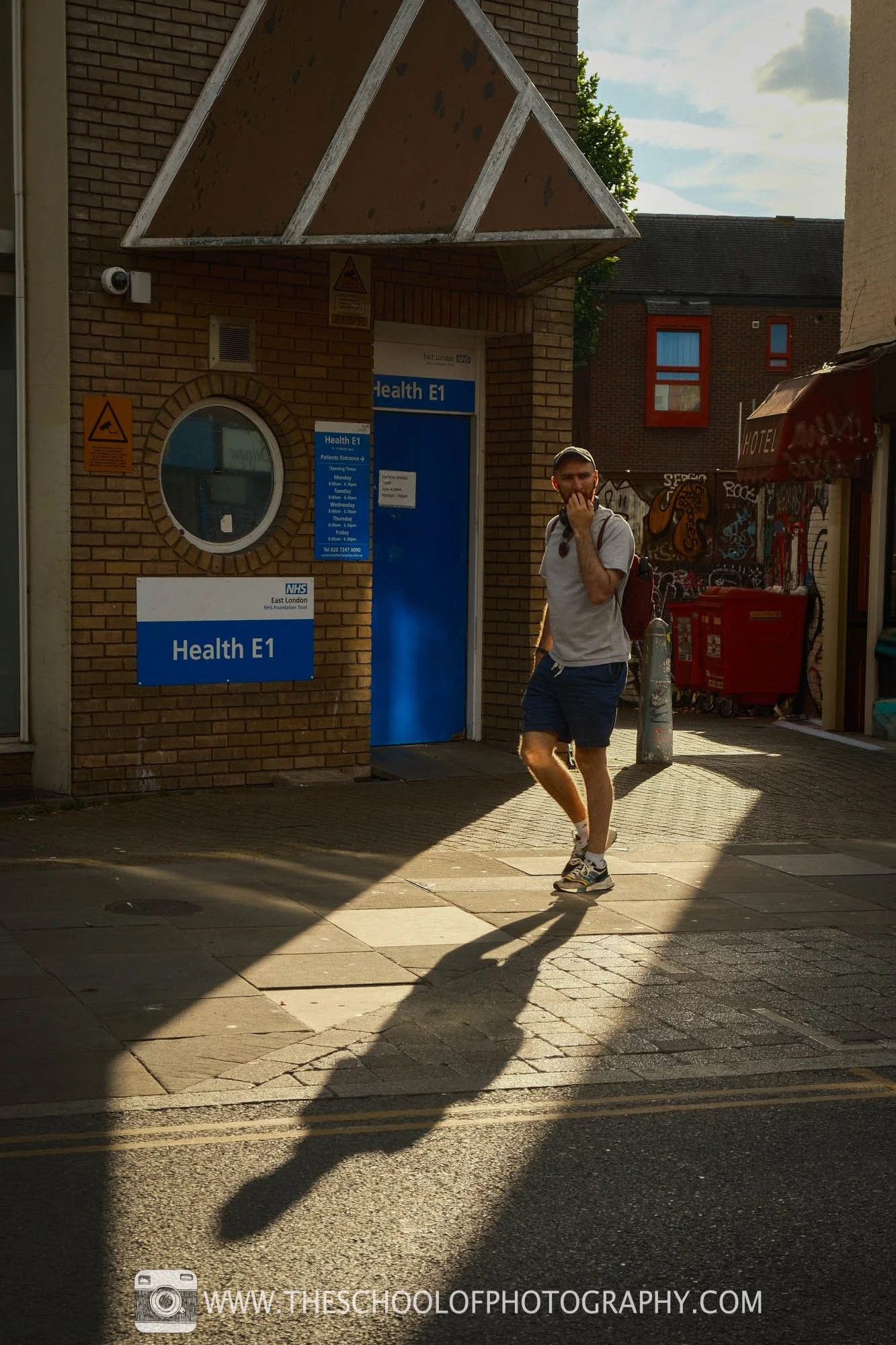
Late-afternoon light transforms an everyday street scene with bold shadows and a solitary figure.
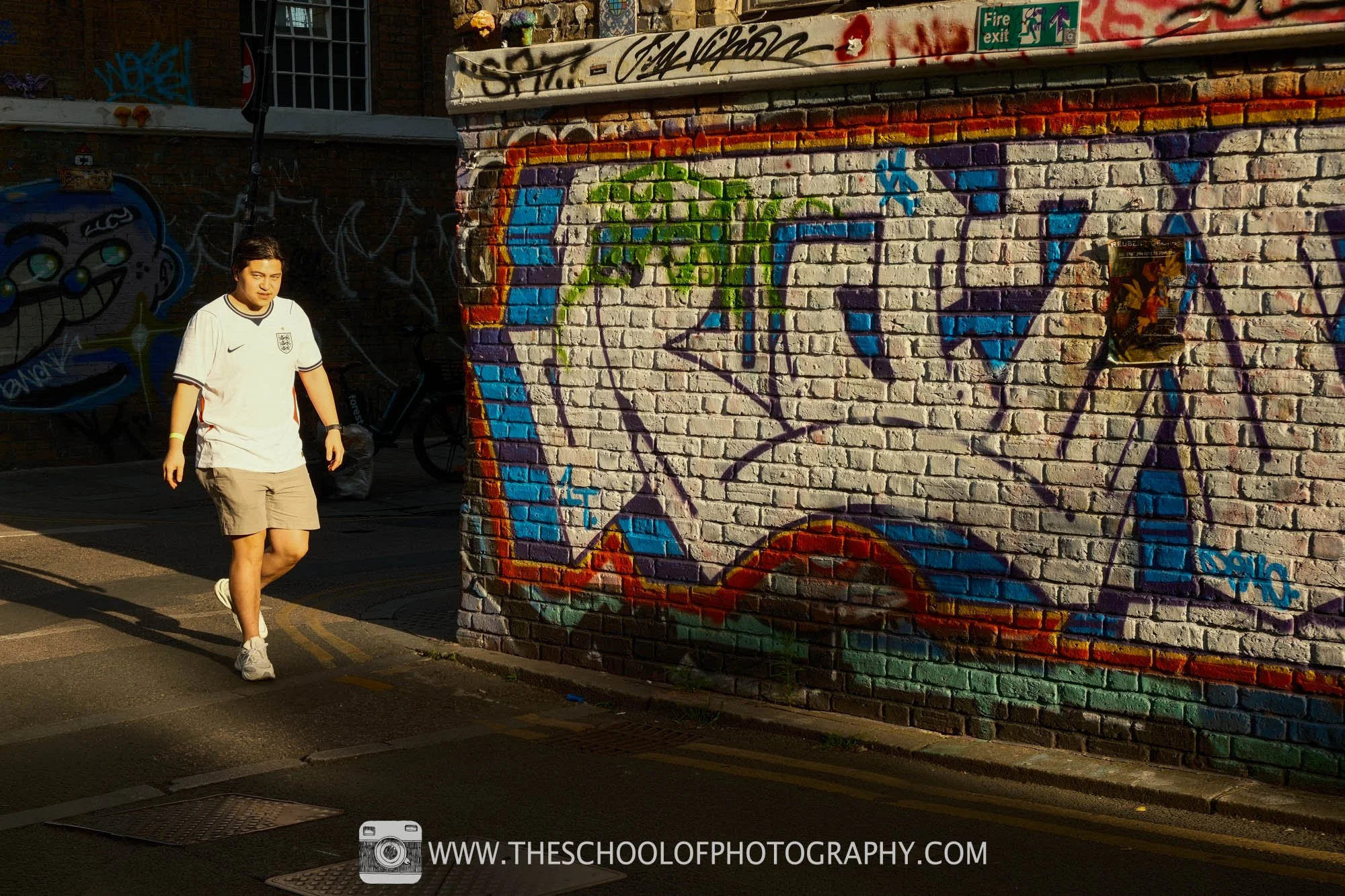
Golden light catches a passer-by against the bold colours and textures of Brick Lane street art.
Our Camera Settings
For anyone wondering what gear we were using, here's what came with us.
Marc
· Fujifilm X-T5
· Fujinon 18-55mm lens
· Aperture Priority
· Auto ISO
· Minimum shutter speed set to 1/250 second
· Aperture generally around f/5.6
Jerry
· Fujifilm X-T5
· Fujinon 56mm f/1.2
· Continuous autofocus
· Auto ISO
· Exposure compensation adjusted depending on the active recipe
One useful tip we both discovered is that different recipes often require different exposure compensation. Some naturally produce brighter images than others, so don't be afraid to make small adjustments as the light changes. One of the best parts of any street photography day is reviewing the images afterwards.
Jerry's favourite photographs came from moments when people briefly appeared in pockets of light, while I particularly enjoyed a playful image involving a painted Top Cat mural perfectly interacting with a passer-by. It reminded us both that although recipes can influence colour and mood, great street photography still comes down to patience, observation and timing.
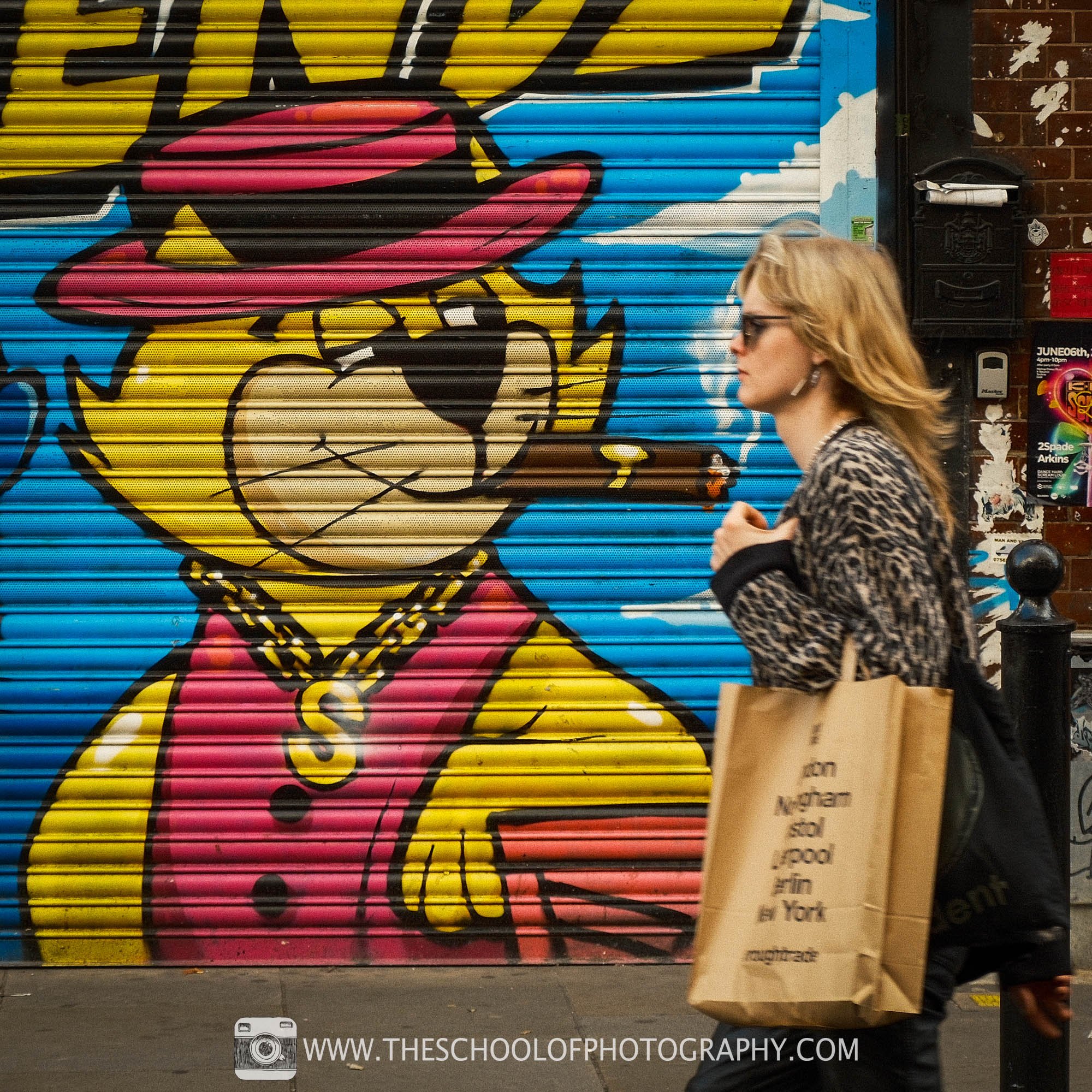
Street style meets street art in a vibrant splash of colour.
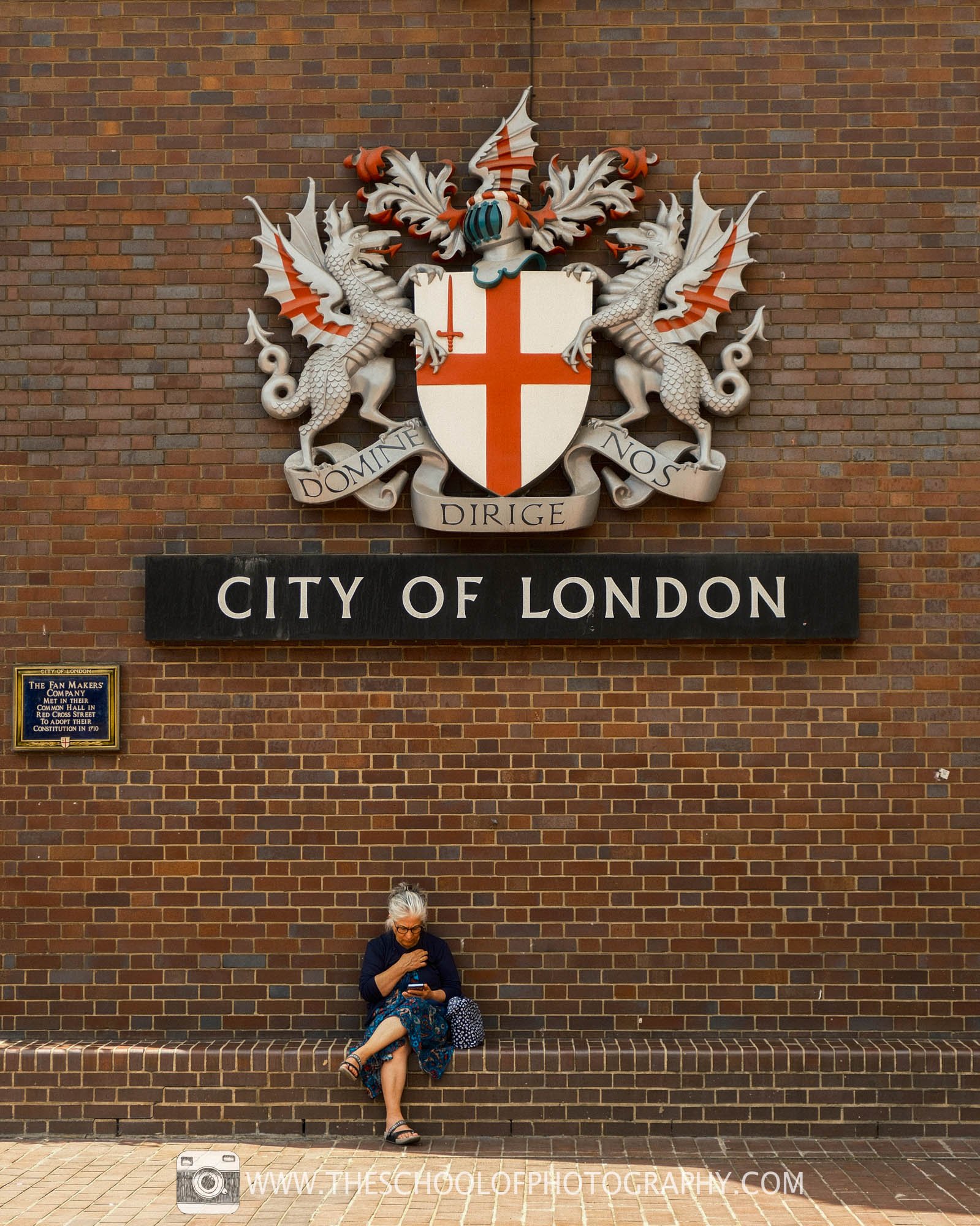
A quiet moment beneath the grand symbols of the City of London.
Final Thoughts
This wasn't a competition between recipes. It was a reminder that photography is meant to be enjoyable. Using film recipes encouraged us to slow down, commit to a creative vision and spend less time worrying about editing afterwards. Whether you prefer Kodachrome, Kodak Gold, Tri-X or something completely different, the most important thing is finding a look that inspires you to get out and make photographs.
If these recipes encourage you to shoot more often, then they've already done their job.
Learn Street Photography with The School of Photography
If you'd like to improve your street photography, we'd love to help.
At The School of Photography, you'll find structured courses covering everything from camera basics to advanced street photography techniques. Membership also includes live webinars, photography assignments, image critiques, competitions and a supportive community of photographers from around the world.
Whether you're just getting started or looking to refine your style, you'll have everything you need to continue developing your photography.
I hope you liked this blog on Film recipes If you did please leave us a comment and support us by sharing it with your friends and subscribe to our newsletter at the bottom of this page for more.
We also have an excellent learning community on social media so please join us there as well.
Thanks for reading and remember – Learn more at The School of Photography.
Like this? - Check out more free tutorials below

About the author
Hi, I’m Marc Newton and I’m a photographer, educational speaker, author, teacher of photography and the founder of The School of Photography. Follow my personal work on Facebook, Instagram.