
The world of photography is filled with endless possibilities and creative avenues—and a vast array of equipment. As a beginner, it’s easy to get lost in the sea of cameras, lenses and accessories. Understanding which photographer’s equipment is genuinely essential will help you build a practical starter kit for photography without wasting money on unnecessary gear.
In this guide, we'll walk you through the essential photographers equipment every beginner photographer should consider. Whether you're looking to capture stunning landscapes, memorable portraits, or dynamic action shots, having the right equipment will set the foundation for your creative exploration. From choosing your first camera to understanding the importance of a good lens, we've got you covered.
Let's dive into your starter kit for photography and kickstart your photography journey with confidence and ease.

Starter kit for photography 1 – The Camera
Choosing a camera is the first major step when putting together your photo shoot equipment and photography starter kit. This decision can feel daunting, with so many photographers equipment available, each boasting a variety of features and benefits. However, the key to making the right choice lies in understanding that there is no one-size-fits-all solution. The best camera for you is the one that fits your personal needs, preferences, and style.
Whether you’re drawn to the classic feel of a DSLR or the sleek convenience of a mirrorless system, the goal is to find a camera that feels right for you and inspires your creativity.
You’ve likely seen the term “mirrorless” and wondered what it meant? A mirrored camera has 3 mirrors inside that allows light to bounce and reflect through the lens to the viewfinder. This in turn gives you a live view of your subject.
With a mirrorless camera, these mirrors are removed, which enables the camera body to be more compact. The viewfinder is a digital representation of the scene rather than a live view of it. Like looking at a TV projection of what the sensor is seeing. This electronic viewfinder can mean a delay in the view, but it does mean a smaller camera body can be produced.
DSLR vs. Mirrorless
· DSLR (Digital Single-Lens Reflex): Offers a traditional shooting experience with optical viewfinders. Examples include Canon EOS 2000D/Rebel T7 (US) and Nikon D3500.
· Mirrorless: More compact, lighter, and uses electronic viewfinders. Popular choices are Sony, Fujifilm, Canon and Nikon.

Canon EOS 2000D/Rebel T7

Fujifilm X-T200 Mirrorless
Best Canon Mirrorless Camera - Which one for you?
Key Features to Look For:
Sensor Size: APS-C sensors are great for beginners, providing a balance of quality, cost and size. Sensor sizes in camera bodies is a whole other subject. Please check out our ‘Camera Sensor Size Comparison – Which one is right for you?’ for more info on this.
Megapixels: This relates to your camera’s resolution. A mega pixel is one million pixels. 16-24 MP is sufficient for high-quality images. Learn more about resolution here.
Interchangeable Lenses: Make sure camera has the capability to change lenses. This offers flexibility to experiment with the effects of different focal lengths. Learn about focal lengths here.
Fully manual settings. Make sure the camera you buy can be used in fully manual (M) mode. Learn how to use cameras in fully manual here.
Starter kit for photography 2 – Camera Lenses
Lenses are among the most important pieces of a photographer’s equipment because they influence perspective, framing, low-light performance and background blur. This choice can seem overwhelming, with numerous options available for photography shoots, each offering distinct features and benefits. However, the secret to making the right choice is recognizing that there is no universal solution. The best lens for you is the one that complements your unique needs, style, and photographic interests.
Whether you're drawn to the all-around utility of a kit lens, the low-light prowess of a prime lens, or the reach of a telephoto lens, the aim is to find a lens that suits your vision.
Must-Have Lenses:
Kit Lens (approx. 18-45mm): Cheap, versatile and great for everyday photography. These generally come as standard with most cameras that you will buy.

Kit Lens 18-45mm
Optional lenses
Prime Lens - A prime lens is a type of camera lens that has a fixed focal length, meaning it cannot zoom in or out. Unlike zoom lenses. A 50mm f/1.8 lens, AKA the nifty fifty, is an excellent low-cost option and is excellent for portraits and low-light situations due to its wide aperture.
Canon RF 50mm f1.8 vs RF 50mm f1.2 – Review and comparisonTelephoto Lens - A telephoto lens is a type of camera lens designed to magnify distant subjects, making them appear closer than they are. These lenses have a longer focal length compared to standard and wide-angle lenses, typically starting around 70mm and extending to 300mm or more. This will be great for wildlife, sports, landscape and any distant subjects.

Prime Lens 50mm f/1.8

Telephoto Lens 70-300mm
Considerations:
Aperture: A lower f-number (like f/2.8) allows more light into your camera and produces a shallower depth of field. Ideal for low-light conditions and creating a blurry background. However lenses with a lower f number can come at a higher cost.
What is aperture in photography? – Click here for more info.Image Stabilization: Some lenses come with what’s called IS (Image stabilization). This helps reduce camera shake, especially useful with longer lenses.
When it comes to cost, I would suggest you don’t spend more than £1000/US $1200 on your first camera and lens. Buying used equipment is a great tip here!
Get access to ALL our online courses - 1000’s of videos, worksheets, critiques of students work, personalised support and much more with our monthly membership.
Starter kit for photography 3 – Camera Tripods
A sturdy tripod is one of the most useful pieces of photo shoot equipment, particularly for landscapes, low-light photography, long exposures and carefully composed images. A good tripod provides the stability needed for sharp, clear images, especially in low light, long exposures, or when capturing precise compositions. However, with a wide variety of options available, choosing the right tripod can be overwhelming for beginner photographers.
Important:
Stability: Your camera needs to be sturdy and stable. Avoid small flimsy tripods. Beginners generally wants small and light tripods as they think the ease of carrying it around is most important. Wrong!!
The most important thing is keeping your camera still and a tripod that is light and has thin flimsy legs will wobble with a heavy camera on it. You are best getting a heavier stronger tripod with think legs. Essential for long exposures, landscape shots, and low-light photography.

Manfrotto Befree GT XPRO Aluminium Camera Tripod
Tripod heads
When selecting a tripod, one of the critical components to consider is the type of head it uses. The head is the part that attaches to the top of the tripod and allows for movement and positioning. Two of the most common tripod heads are the pan and tilt head and the ball head.
Pan and tilt Heads: A pan-and-tilt head, is a classic tripod head design that provides separate controls for panning (horizontal movement) and tilting (vertical movement). They are great for architectural, landscape, and studio photography where exact composition is critical.
Many ball heads come with a quick-release plate, which is a detachable piece that screws into the camera's tripod mount. The plate can then be easily locked into or removed from the ball head without having to unscrew the camera from the tripod.
Examples of Pan Head Tripods
Manfrotto 410 Junior Geared Head
Benro S8 Pro Video Head

Example of a Pan and Tilt tripod head
Ball Heads: A tripod ball head is designed to quickly allow smooth and flexible positioning of a camera. The key feature is a ball that sits within a socket. The ball can rotate in any direction (360 degrees horizontally and varying degrees vertically) and allows the camera to be positioned at almost any angle.
Attached to the side of the ball head is a knob or lever that tightens or loosens the ball's movement. When loosened, the ball can move freely, and when tightened, it locks the ball in place, securing the camera's position. Some ball heads feature a separate panning base, which allows for 360-degree horizontal rotation without affecting the tilt or angle of the camera. This is especially useful for panoramic photography.
As with pan and tilt heads, many ball heads also come with a quick-release plate. Ball heads can vary in size and weight capacity, but in general they are smaller and lighter than their pan and tilt equivalent.
Examples of ball Head Tripods
Manfrotto Befree GT XPRO Aluminium Camera Tripod
K&F Concept Compact Camera Tripod
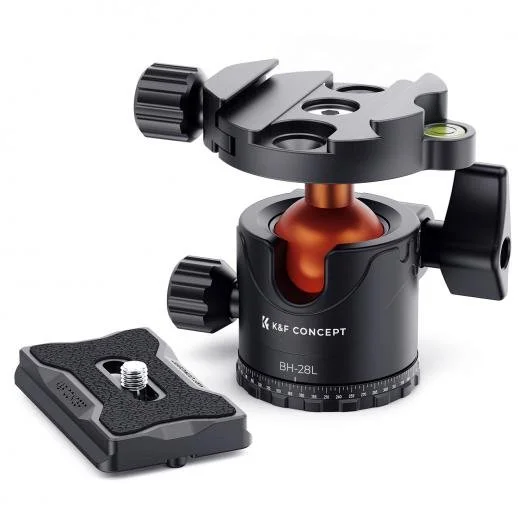
K&F Concept Ball Head
Starter kit for photography 4 - Memory Cards
One seemingly small but incredibly crucial piece of equipment you’ll need to consider is the memory card. This tiny device is essential for storing your photos and videos. Whether you’re capturing everyday moments, shooting in burst mode, or recording high-definition videos, the right memory card will help you maximize your camera’s potential and safeguard your precious work.
Key Points:
Common card types are called SD or CF express cards.
In case of a card failure or losing a card, it is better to have several smaller capacity cards than one large one.
Capacity: 32GB to 64GB cards are ideal for starting out.
Speed: Class 10 or UHS-I/UHS-II cards offer fast data transfer rates are fine for photography or 4K filming.
Reliability: Choose reputable brands like SanDisk or Lexar to ensure durability and performance.

SD card

CF express card
Starter kit for photography 5 - Camera Bag
A camera bag is more than just a means of carrying your gear; it's your mobile studio, your safeguard, and your organizational hub. With the right camera bag, you can ensure that your equipment is protected, accessible, and ready for action, no matter where your photography adventures take you.
Features to Consider:
Protection: Padded compartments to keep your gear safe.
Accessibility: Easy access to your camera and lenses.
Comfort: Ergonomic design with adjustable straps for extended use.
Size: It’s advisable to get one slightly bigger than your needs to accommodate your kit as it grows. E.g. If you have one camera body and two lenses, get a bag that would accommodate one camera body and 3 lenses.
Ruck sack or shoulder bag: A rucksack is more comfortable over long days whereas a shoulder bag has quicker access.

Camera Rucksack

Camera Shoulder Bag
Popular Choices:
Lowepro – Thе Lоwерrо Аdvеnturа ВР 300 ІІІ Васkрасk рrоvіdеѕ аn аbundаnсе оf рrасtісаl fеаturеѕ fоr оutdооr trаvеlѕ. Тhіѕ bаg саn fіt а full-frаmе mіrrоrlеѕѕ саmеrа wіth аn аttасhеd lеnѕ, ехtrа 3-4 lеnѕеѕ, аnd а 13-іnсh lарtор. Іdеаl fоr trаvеllіng рhоtоgrарhеrѕ, thе bаg hаѕ 100% рhоtо еquірmеnt ѕрасе wіth соnvеnіеnt frоnt ассеѕѕ. To check it out, click here.
ThinkTank – The ThinkTank BackLight® Sprint Backpack was designed for the photographer who has a lighter kit and wants a smaller less bulky bag, the BackLight Sprint is a slim, lightweight backpack that is ideal for hiking or treks around town. To check out more ThinkTank backpacks, click here.

Lowepro Adventura BP 300 III Backpack

ThinkTank Backlight® Sprint Backpack
Starter kit for photography kit 6 – Cleaning Kit
As a photographer, your camera and lenses are your most valuable tool and keeping it in optimal condition is crucial for producing high-quality images. This is where a camera cleaning kit comes into play. Regular maintenance of your camera and lenses ensures that dust, dirt, and smudges don’t compromise your photos or damage your equipment over time. Investing in a good cleaning kit is an essential step in protecting your photography equipment.
Must-Have Items:
Lens Cleaning Solution and Microfiber Cloth: For removing smudges and fingerprints from your lens.
Air Blower: Safely removes dust from your camera sensor and lens.

Cleaning kit
Starter kit for photography 7 - External Flash
In photography, light shapes and defines the image. While natural light can be beautiful, there are occasions when it is not sufficient. An external flash gives you greater control when shooting portraits indoors, photographing moving subjects or creating more deliberate lighting effects.
Whether you’re shooting portraits in dimly lit rooms, capturing fast-moving subjects outdoors, or striving for creative lighting effects, an external flash empowers you to take control of your lighting conditions and elevate your photography to new heights.
Benefits:
Improved Lighting: Essential for indoor and low-light photography.
Versatility: Allows for creative lighting techniques, like bouncing light off walls or ceilings.
Beginner-Friendly Options:
Canon Speedlite 430EX III-RT
Nikon SB-700 AF Speedlight
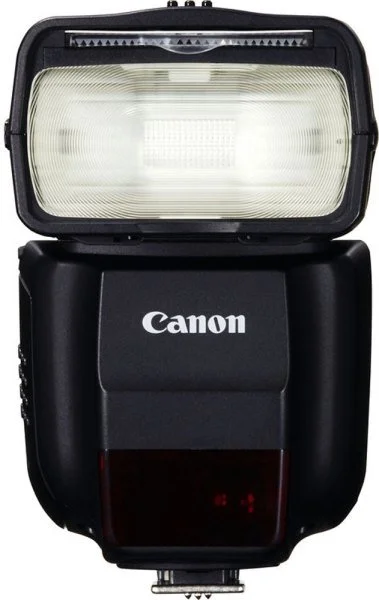
Canon Speedlite 430EX III-RT

Nikon SB-700 AF Speedlight
Starter kit for photography 8 - Spare Batteries
Spare batteries are a small but essential part of your photo shoot equipment. They help you avoid interruptions during long sessions, location shoots or trips where recharging may not be possible. Imagine you're on location, immersed in a moment of creative inspiration, when suddenly your camera battery indicator turns red. It's moments like these that highlight the critical importance of having spare batteries.
Why You Need Them:
Uninterrupted Shooting: Spare batteries ensure you don’t miss a shot due to a dead battery.
Extended Shoots: Essential for long sessions or trips where recharging might not be immediately possible.
Tips:
Brand Compatibility: Use batteries and chargers from your camera’s manufacturer to ensure reliability and safety.
Battery Grip with batteries: Consider a battery grip for extended battery life and better handling.

Spare Battery
Starter kit for photography 9 - Portable Hard Drive or Laptop
Photography extends beyond capturing moments—it encompasses managing, editing, and storing a vast collection of digital assets. As photographers, our craft demands efficiency, organisation, and flexibility.
For Backup:
Data Safety: Regularly back up your photos to prevent data loss.
Storage: A portable hard drive or laptop allows you to manage and organize your photos on the go.
Recommendations:
SSD drives will give faster transfer times but will be more expensive.
Seagate Backup Plus Slim: Compact and reliable.
Western Digital My Passport: High capacity and portable
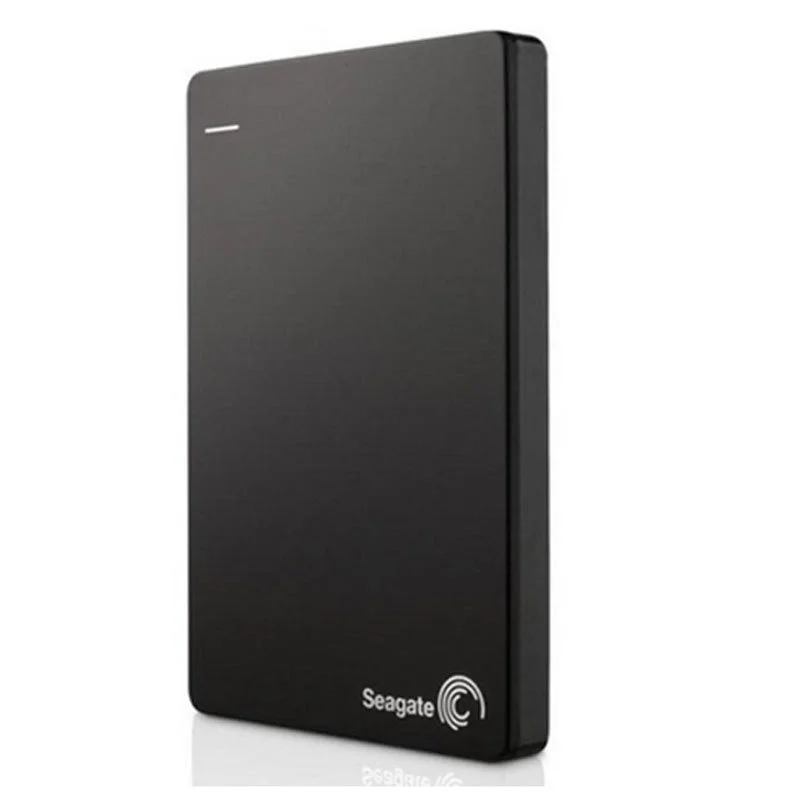
Seagate Backup Plus Slim

Western Digital My Passport
Starter kit for photography 10 - Personal Items
Good photo shoot preparation extends beyond cameras and lenses. Comfortable clothing, water, food and basic planning items can be just as important when working on location for several hours. As photographers, the gear we carry is crucial, but equally important are the personal items that enhance our comfort, creativity, and overall experience in the field.
Don’t Forget:
Comfortable Clothing and Shoes: Dress appropriately for the weather and location.
Water and Snacks: Stay hydrated and energized during long shoots.
Notebook and Pen: Jot down ideas, shot lists, and important notes.

Water Bottle - Photo by Bluewater Sweden on Unsplash

Photography Clothing - Photo by Kace Rodriguez on Unsplash

Notebook and Pen
Starter kit for photography 11 – Optional extras
Once the photography essentials are covered, you can expand your kit with optional photo shoot equipment that improves lighting, protects your gear or makes working on location easier.
While cameras, lenses, and tripods form the core of your gear, it's the miscellaneous items that often prove invaluable in the field. These seemingly small accessories can make a significant difference in your workflow, creativity, and overall comfort while shooting.

Remote Shutter Release:
Useful for long exposures and preventing camera shake.

Reflector:
For controlling natural light and filling shadows when doing portrait shoots.

Filters
Polarizing filter for reducing glare and enhancing colours.
ND filter for long exposures.

Lens Hood
To reduce lens flare and protect the lens.

Smartphone
For quick shots, notes, and backup communication.

Rain Cover or Plastic Bags
To protect your gear from unexpected weather.

Gaffer Tape
Versatile for quick fixes and securing gear

Business Cards
Handy for networking and giving to potential clients.

Flash Diffuser
To soften the light from your external flash
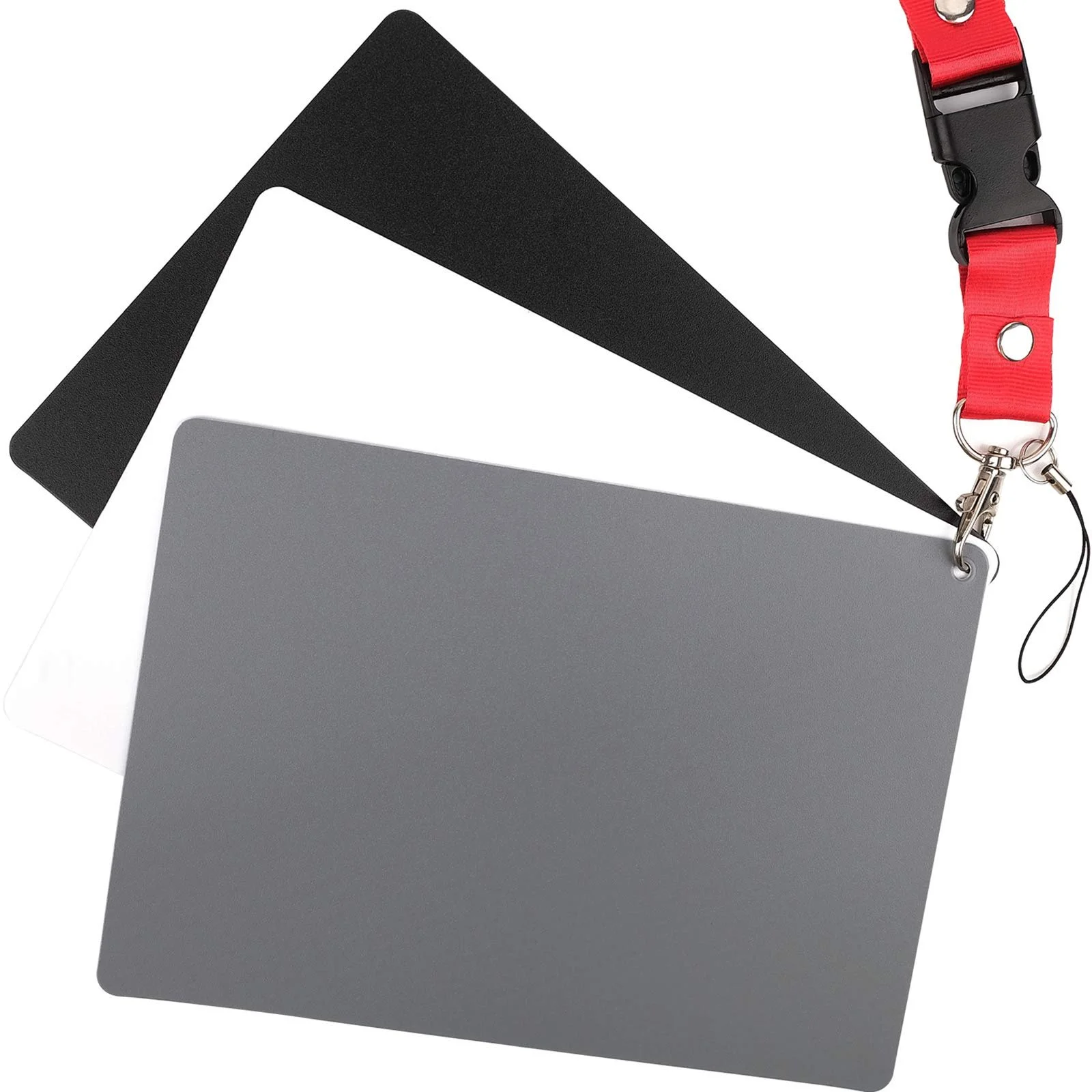
Gray Card
For accurate white balance adjustments

Multi-tool
For any minor equipment adjustments or repairs
Conclusion
By assembling the right starter kit for photography, you’ll be prepared for the situations and challenges that can arise during a photo shoot. Your essential photo shoot equipment should include a suitable camera and lens, reliable memory cards, spare batteries, a protective bag and any support or lighting accessories required for the type of photography you enjoy.
Remember that photography equipment is only part of the equation. Practice, preparation and learning how to use your kit will have a greater effect on your images than continually buying new gear. Get out there, explore and capture the world through your own perspective. If you want to learn photography properly, click here. Happy shooting!
Frequently Asked Questions About Photography Starter Kits
What equipment do I need for a photo shoot?
For a photo shoot, the minimal equipment you will need is a DSLR or mirrorless camera and a standard zoom lens. As you get more advanced in photography, it's beneficial that you have accessories like a tripod, camera bag, and several different lenses to help you create different effects.
What should be included in a beginner photography starter kit?
In a beginner photography starter kit, you should include a DSLR or mirrorless camera and a standard zoom lens. The camera that you should include must have fully manual settings to enable you to control the visual effects of photography properly.
What are the essential pieces of photography equipment for beginners?
A DSLR or mirrorless camera and a standard zoom lens are the essential pieces of photography equipment for beginners.
What photo shoot equipment should I buy first?
You should start by buying a budget or second-hand DSLR or mirrorless camera and a standard kit lens.
How much should a beginner photography kit cost?
A beginner's photography kit should cost as much as your budget would allow. On average, that would be around £500.
Do beginner photographers need a DSLR or mirrorless camera?
Not necessarily; you could start with a basic mobile phone camera. However, if you want to learn and improve your photography and, more importantly, control the visual effects of photography, then a DSLR or mirrorless camera is recommended.
Is a kit lens good enough for beginner photography?
Yes, a kit lens is definitely good enough for a beginner photographer. Going forwards, when you have learnt more about photography and have more experience, that is when you should start buying more expensive and different lenses.
Do I need a tripod for a photo shoot?
It depends. If you need to keep your camera still, like for landscape or architectural photography, then you definitely need a tripod. If you are shooting portraiture or street photography, then a tripod is not an essential piece of kit.
Do I need an external flash for a photo shoot?
You will only need an external flash for a photo shoot if you need more light or you want to create the effect of flash photography. External flashes are generally only used for portrait photo shoots.
How many memory cards and spare batteries should I take to a photo shoot?
You should have at least one spare memory card and one spare battery when you are attending a photoshoot.
Like this? - Check out more free tutorials below

I hope you liked this blog about the ultimate Starter kit for photography, please leave us a comment, and support us by sharing it with your friends and subscribe to our newsletter at the bottom of this page for more.
We also have an excellent learning community on social media so please join us there as well.
Thanks for watching and remember – Learn more at The School of Photography.
