
Urban Photography Kit List For Beginners
Cities are a bit of a gold mine for photographers; they offer a dynamic blend of architecture, street life, and captivating landscapes. Whether you're drawn to the candid moments of street photography or the grandeur of architectural structures, having the right gear can significantly enhance your ability to capture the city. Let's delve into the essential kit and for beginner that are just getting started.
The Camera Bag
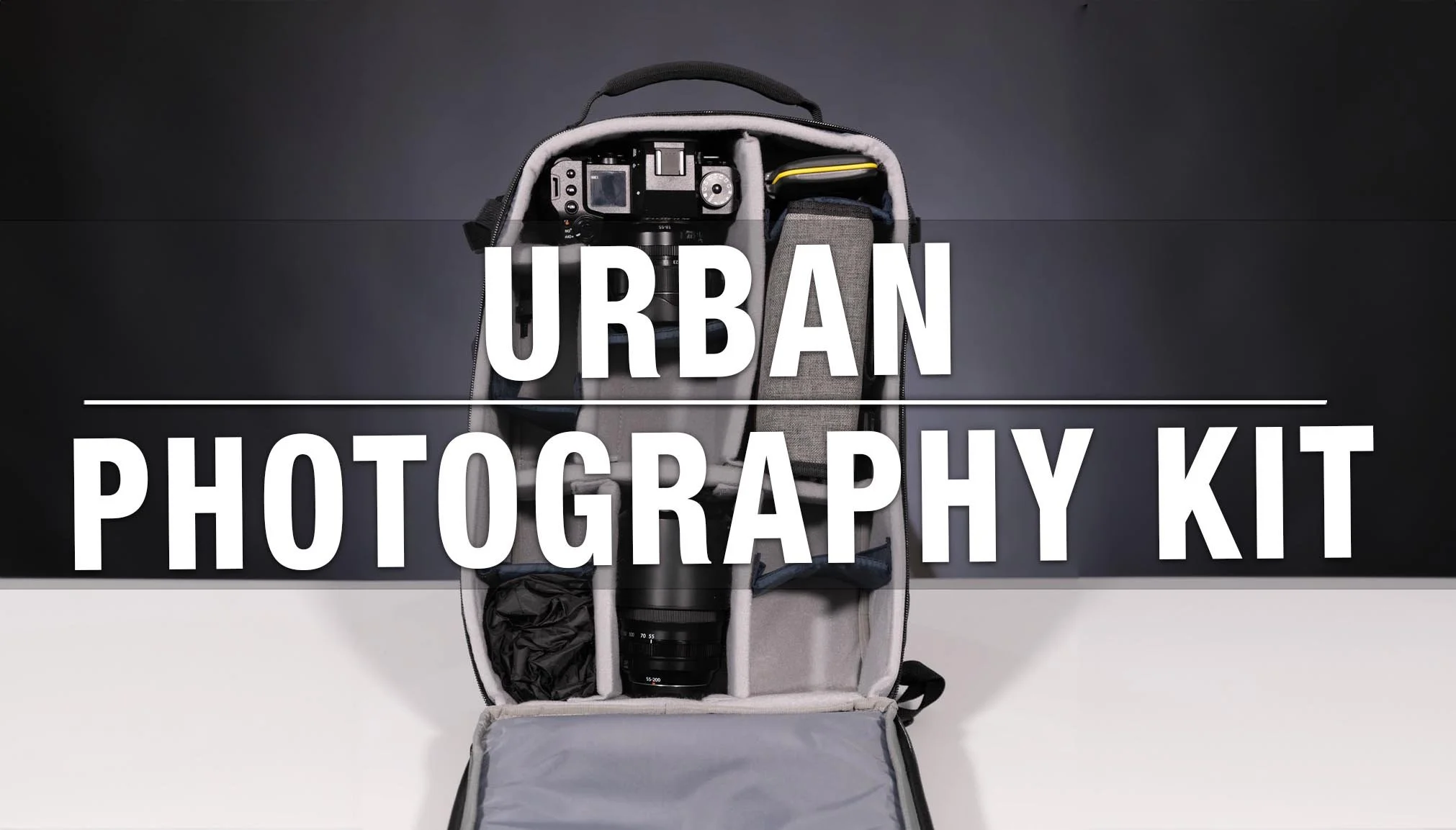
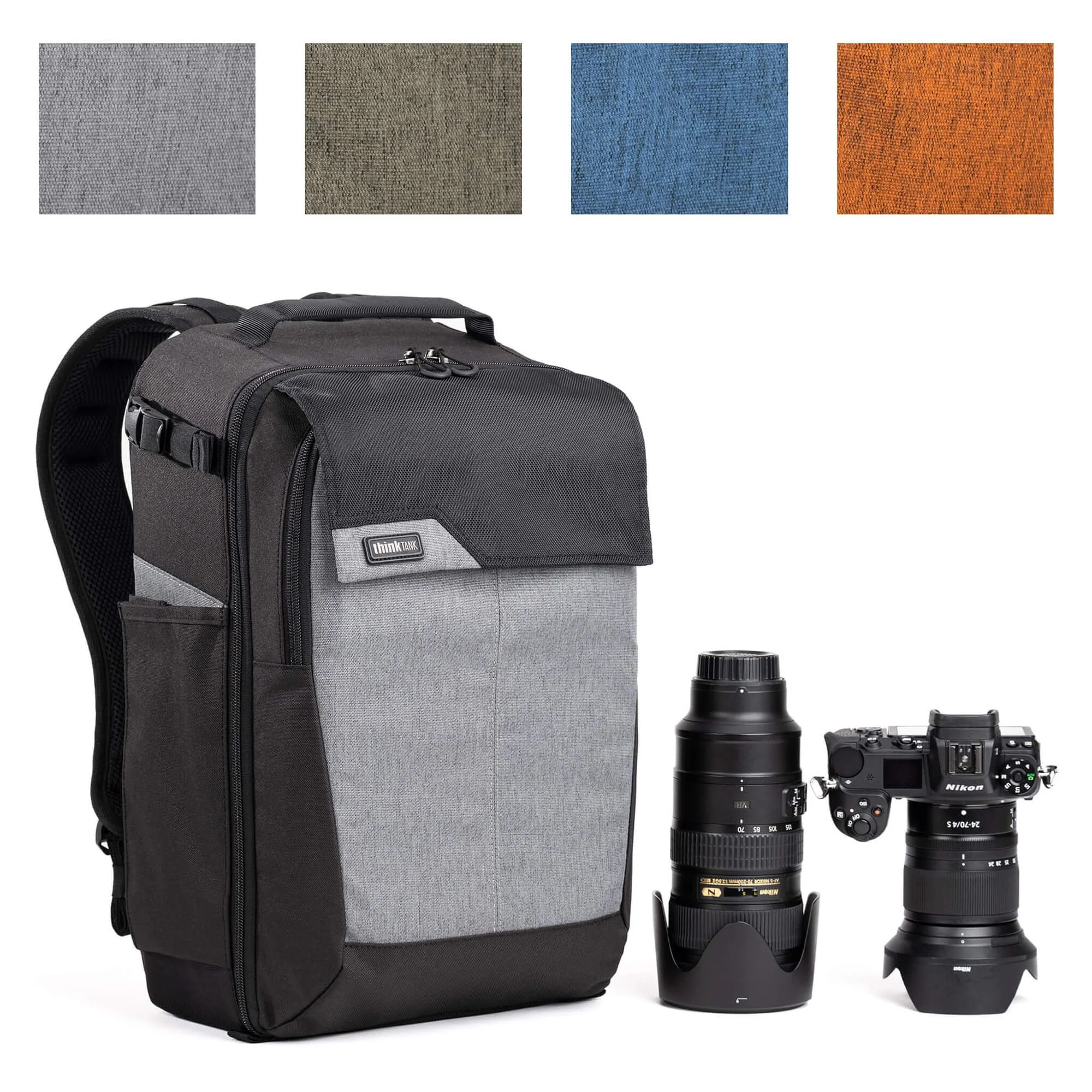
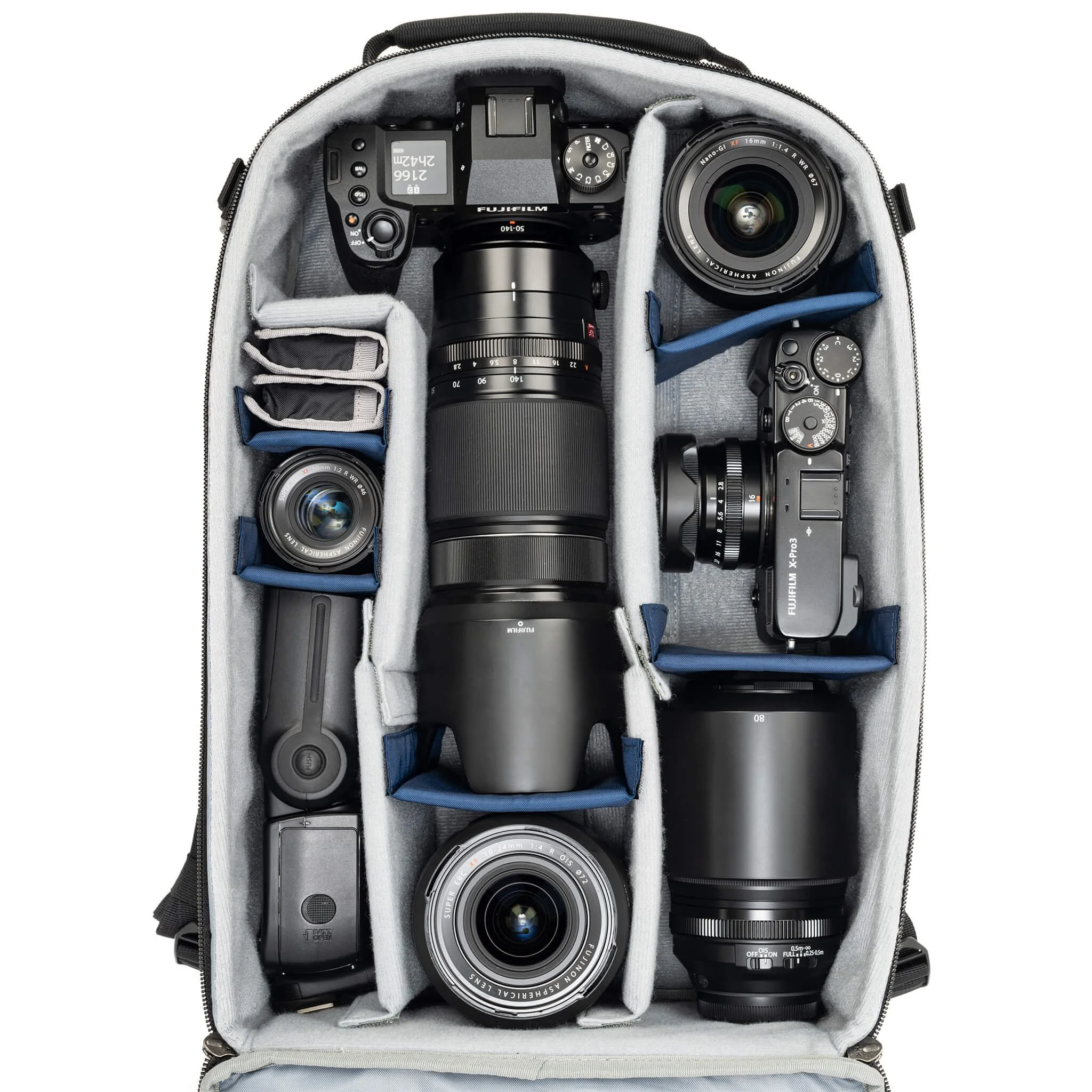
One thing that’s a non-negotiable when it comes to your kit bag, is the bag itself! For those looking to capture the urban environments, fit everything you may need on your back and blend in while doing it, we’d recommend checking out the ThinkTank Mirrorless Mover Backpack.
Think Tank Backpacks are well-made and fantastic quality. This line is great for blending in, which is something you really want when you’re in an urban setting, and don’t want to let everyone know that you’re carrying expensive camera gear! It also has plenty of space for a tripod, laptop and water bottle for when you’re on the go, plus with the benefit of being small and able to carry everything you need.
Interested in getting one for yourself? Check out the ThinkTank website here.
The Camera
We recommend something lightweight with fully manual controls like a mirrorless or DLSR camera. Shooting on a camera with fully manual capabilities and the ability to change lenses is going to add more versatility to your photography as you won’t be limited to the automatic settings on your camera or built in focal lengths.

Recommended equipment for Street Photography
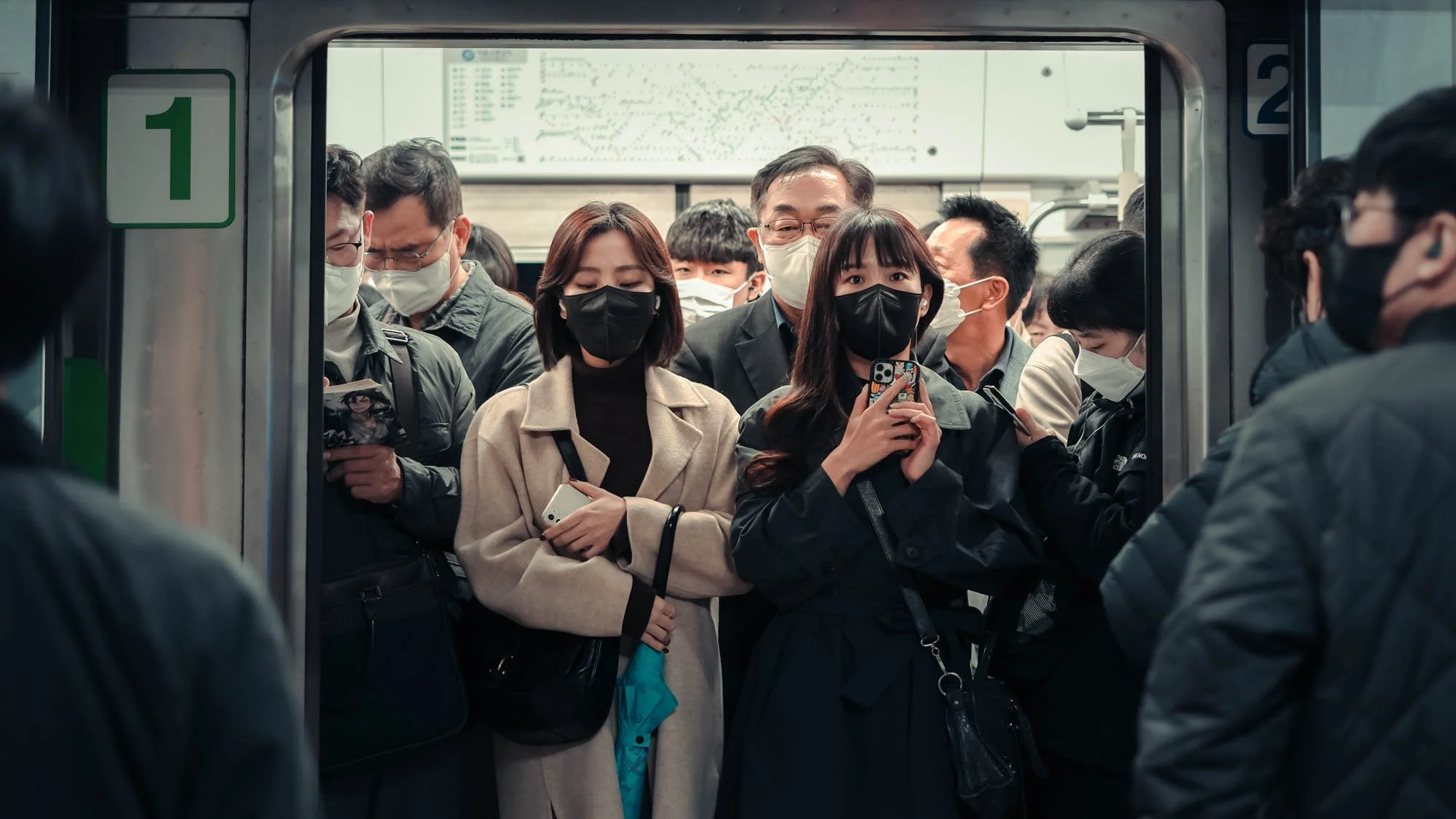
Street photography captures candid moments of everyday life in public spaces. It focuses on unposed scenes, often featuring people going about their daily activities in urban environments. This genre requires quick reflexes, keen observation, and the ability to blend into the surroundings.
Want to know more about Street Photography? Check out the course here.
Lens: Start off with a prime lens, either 35mm or 50mm. These lenses offer a natural perspective similar to the human eye, which is perfect for capturing people within their surroundings. They also tend to have wider apertures, allowing for better low-light performance and beautiful background blur (bokeh) to isolate your subjects.
The most common focal length for street photography is 35mm, as it provides a wide enough field of view to capture context while still allowing for intimate shots.

35mm Lens
Other lenses to consider include:
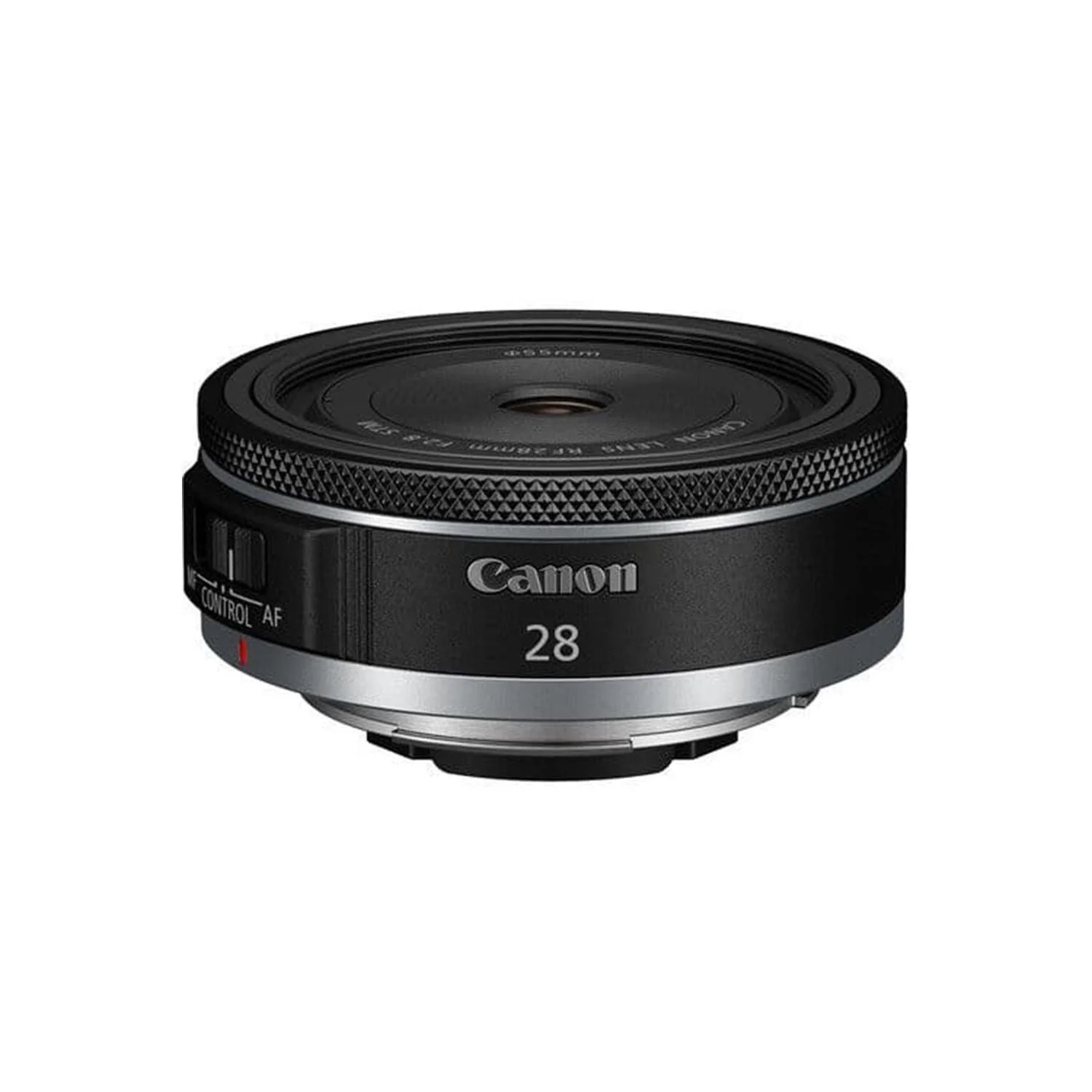
28mm for a slightly wider perspective

85mm for more compressed, intimate portraits
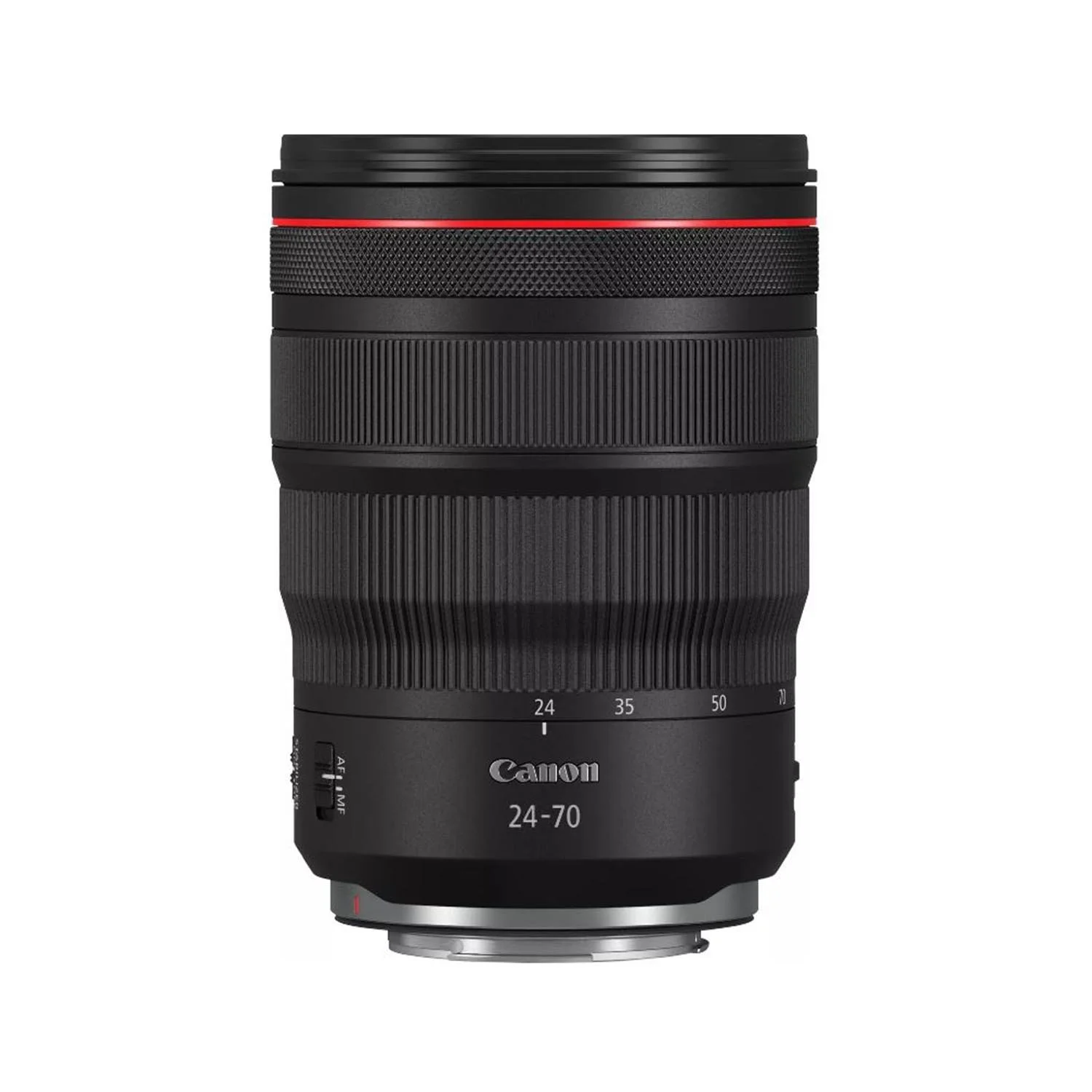
24-70mm zoom for versatility in different street scenarios

Recommended equipment for Architectural Photography
Architectural photography involves capturing the design, aesthetics, and structural elements of buildings and other man-made structures. This genre requires attention to detail, an understanding of perspective and composition, and often involves working with challenging lighting conditions.
Lens: Start off with a wide-angle lens (16-35mm or similar). A must-have for architectural photography, this lens allows you to capture the grandeur and scale of buildings and interiors, even in tight spaces.
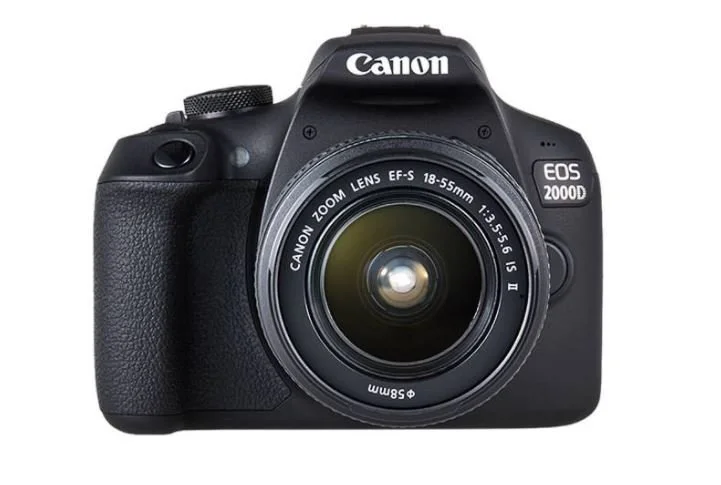
DSLR camera

16-35mm wide-angle zoom lens
Also pack:
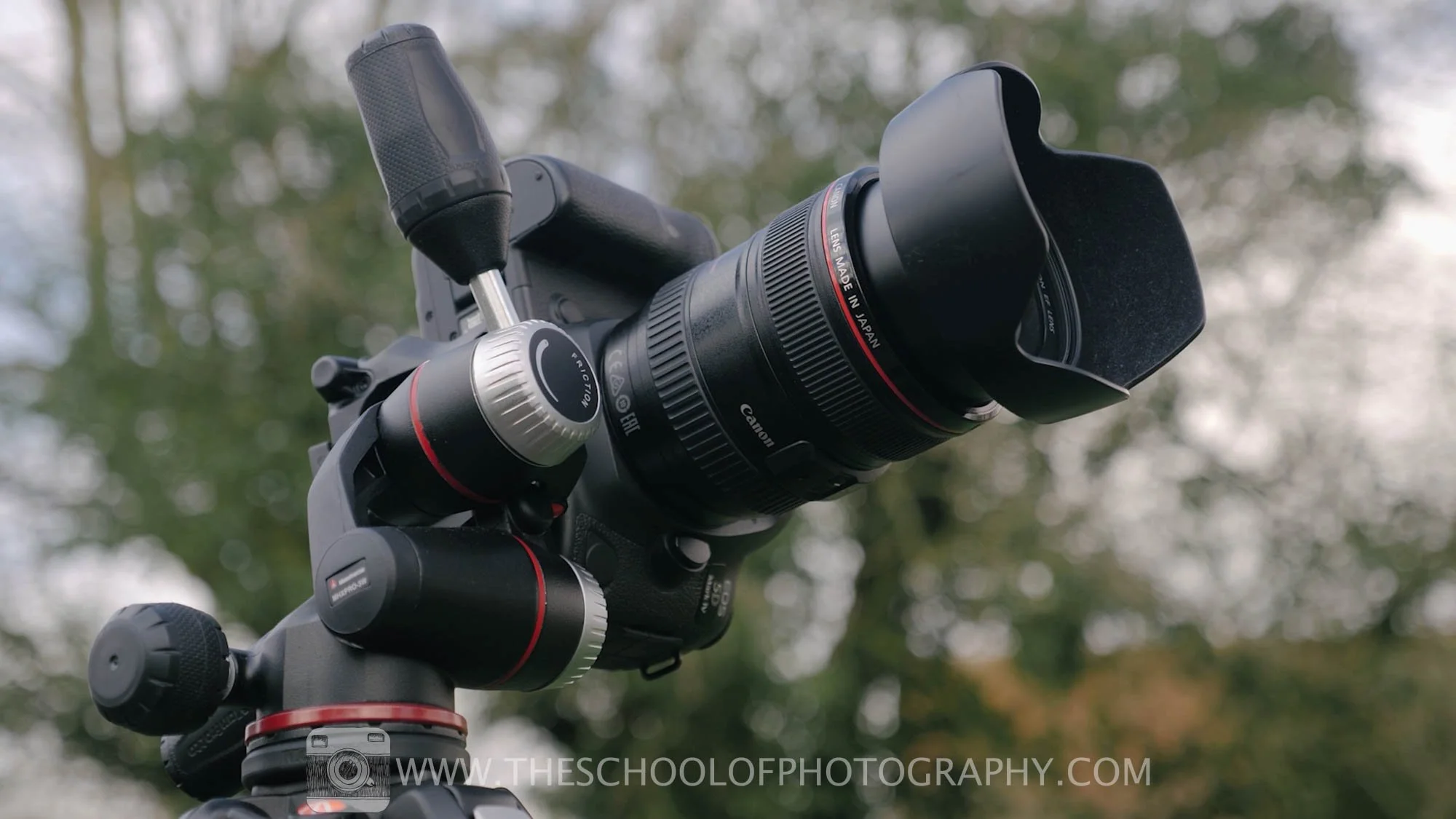
A Tripod: It eliminates camera shake, ensuring sharp images, especially when shooting in low-light conditions or using long exposures to capture the movement of clouds or people.
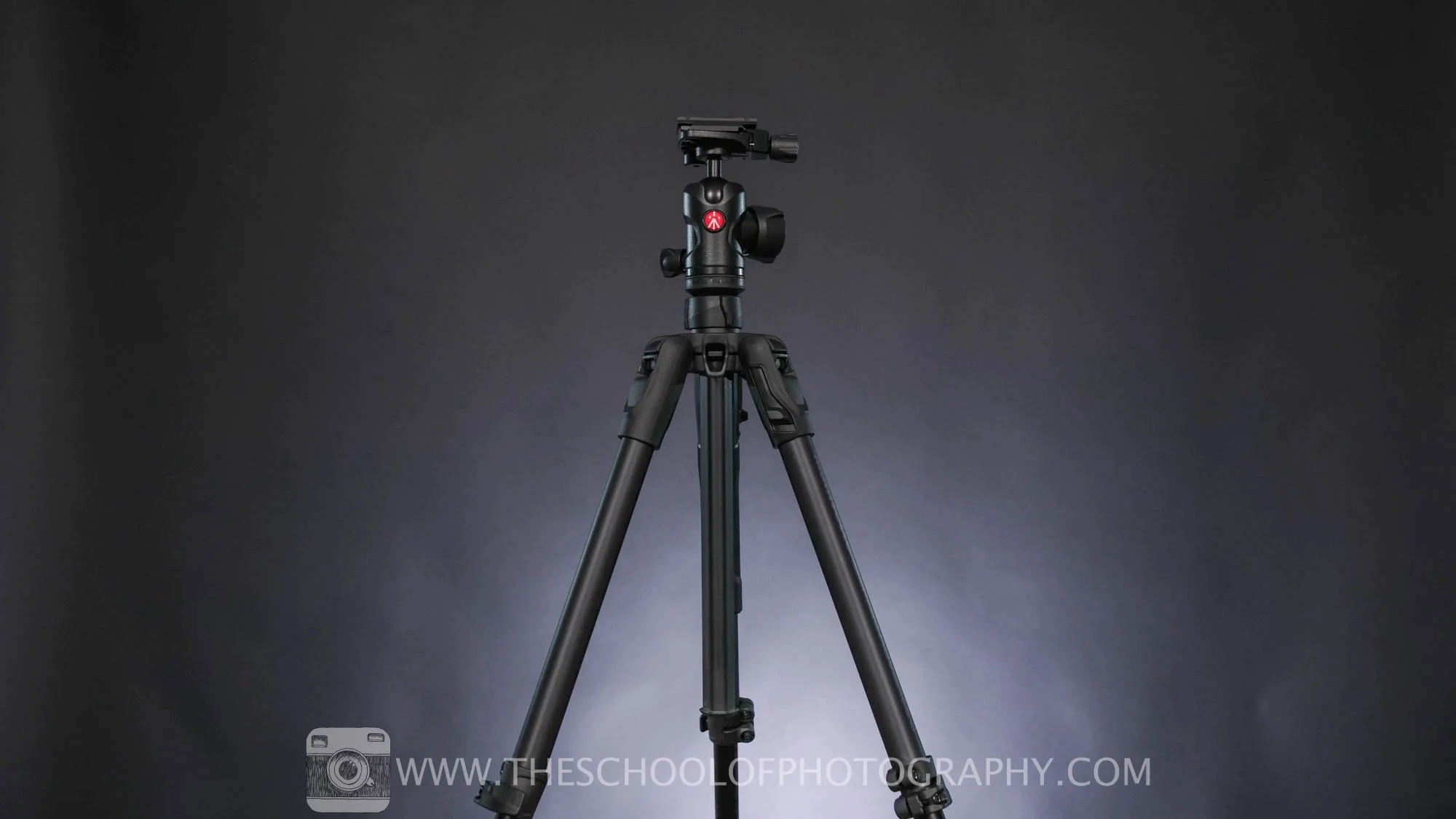
Manfrotto Befree Advanced camera tripod with a ball head
The Best Camera Tripod – Complete Buyers Guide
Remote shutter release: This handy accessory further minimizes camera shake by allowing you to trigger the shutter without physically touching the camera.

Remote trigger
Polarizing filter: This filter reduces reflections and glare on glass surfaces, improving contrast and colour saturation in your architectural photos.
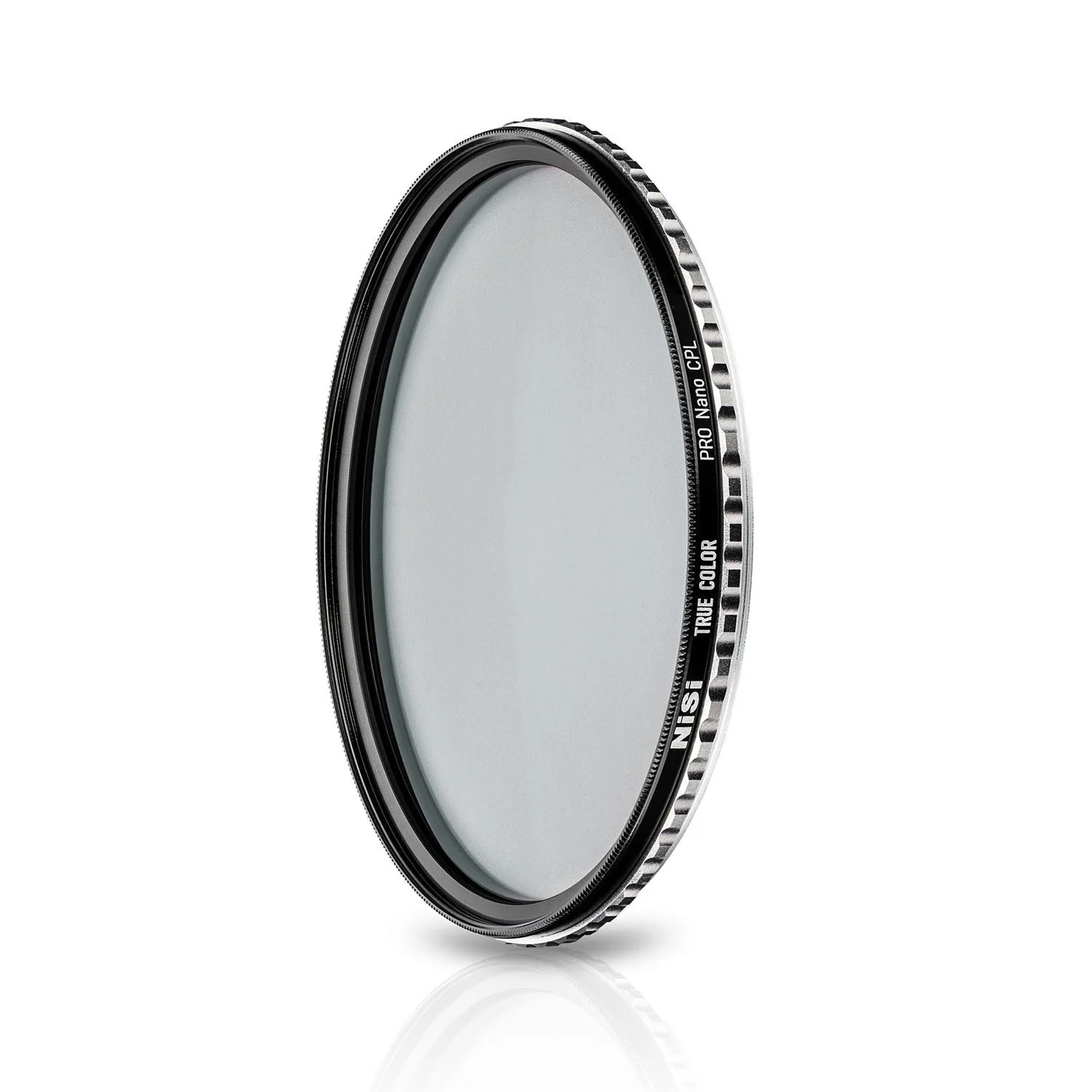
True Color Nano Pro CPL Circular Polariser
Neutral density filter (ND filter): An ND filter reduces the amount of light entering the camera, allowing for longer exposures during daylight. This can be used creatively to blur moving elements like clouds or water, adding a sense of dynamism to your architectural compositions.

10 Stop ND filter
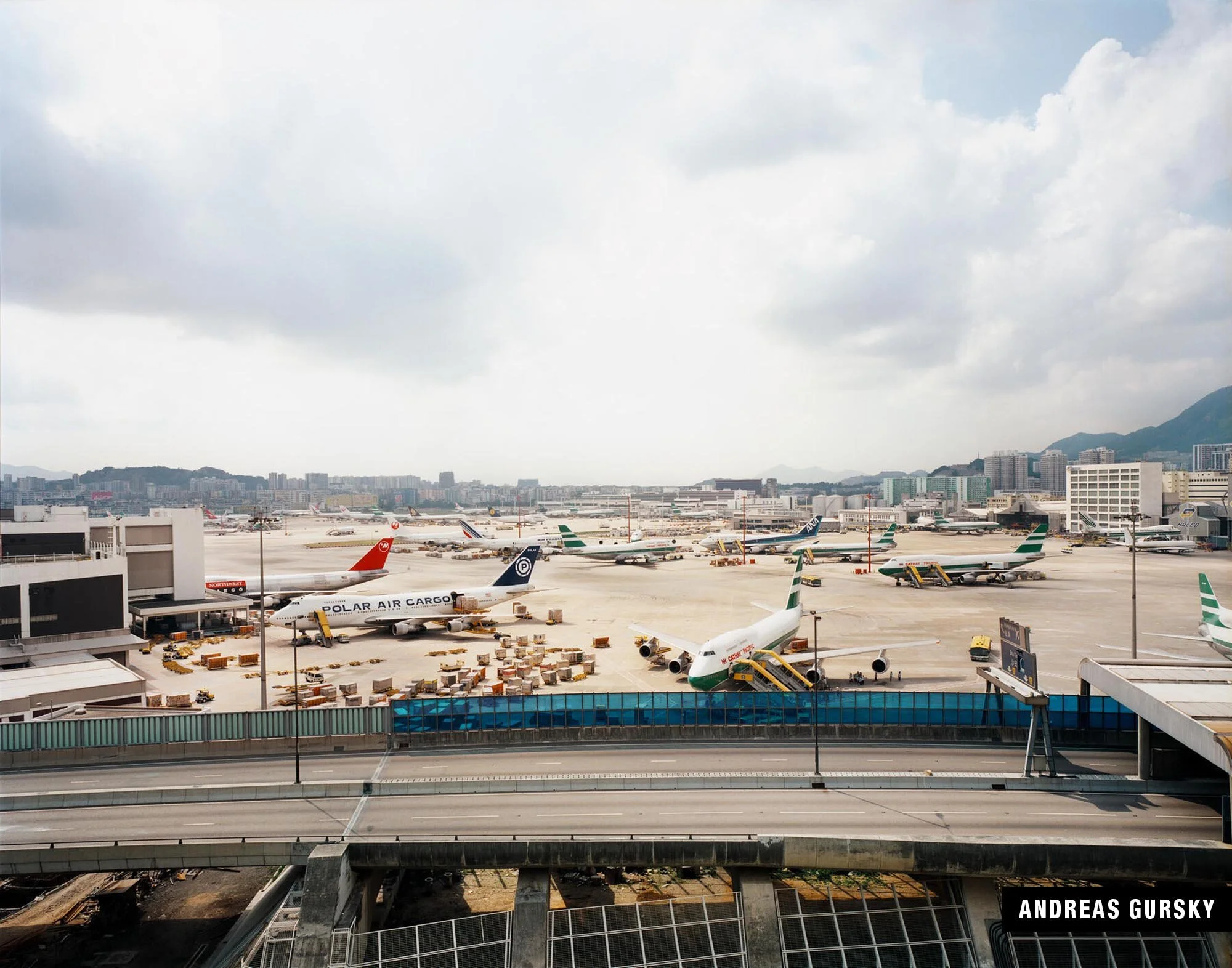
1994 Hong Kong airport ©Andreas Gursky
Recommended equipment for Urban Landscape Photography
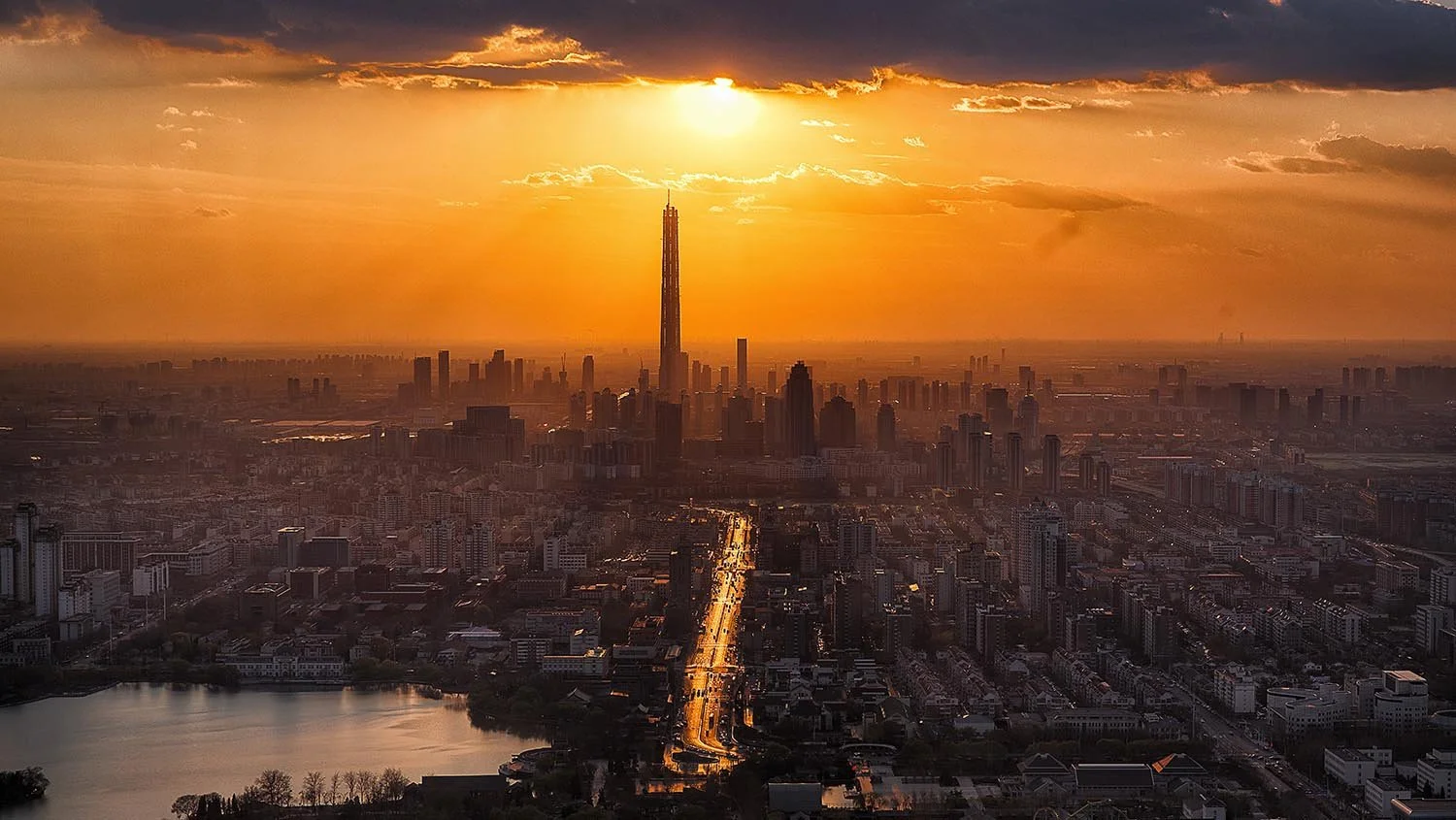
Urban landscape photography focuses on capturing the broader view of cities and urban environments. It often includes cityscapes, skylines, and the interplay between natural and man-made elements in urban settings. This genre requires an eye for composition, patience to wait for the right light, and the ability to find unique vantage points.
Lenses: Start off with Wide-angle lens (16-35mm or similar). It captures the vastness and scale of urban landscapes, showcasing the sprawling cityscape in all its glory. You can also try a Telephoto lens (70-200mm or similar). This will allow you to isolate specific elements within the cityscape, such as iconic landmarks or interesting architectural details, and compress perspective for a unique and dynamic look.
35mm Wide angle lens - Image by xegxef from Pixabay
70-200m Tele photo lens - Image by asmuSe from Pixabay
Add image of a tripod
As above an ND filter allows for longer exposures during the day, creating ethereal effects like silky smooth water or streaky clouds in your urban landscapes.

Graduated neutral density filter (GND filter): A GND filter helps balance the exposure between a bright sky and a darker foreground, preventing overexposed skies and underexposed foregrounds, especially during sunrise and sunset.
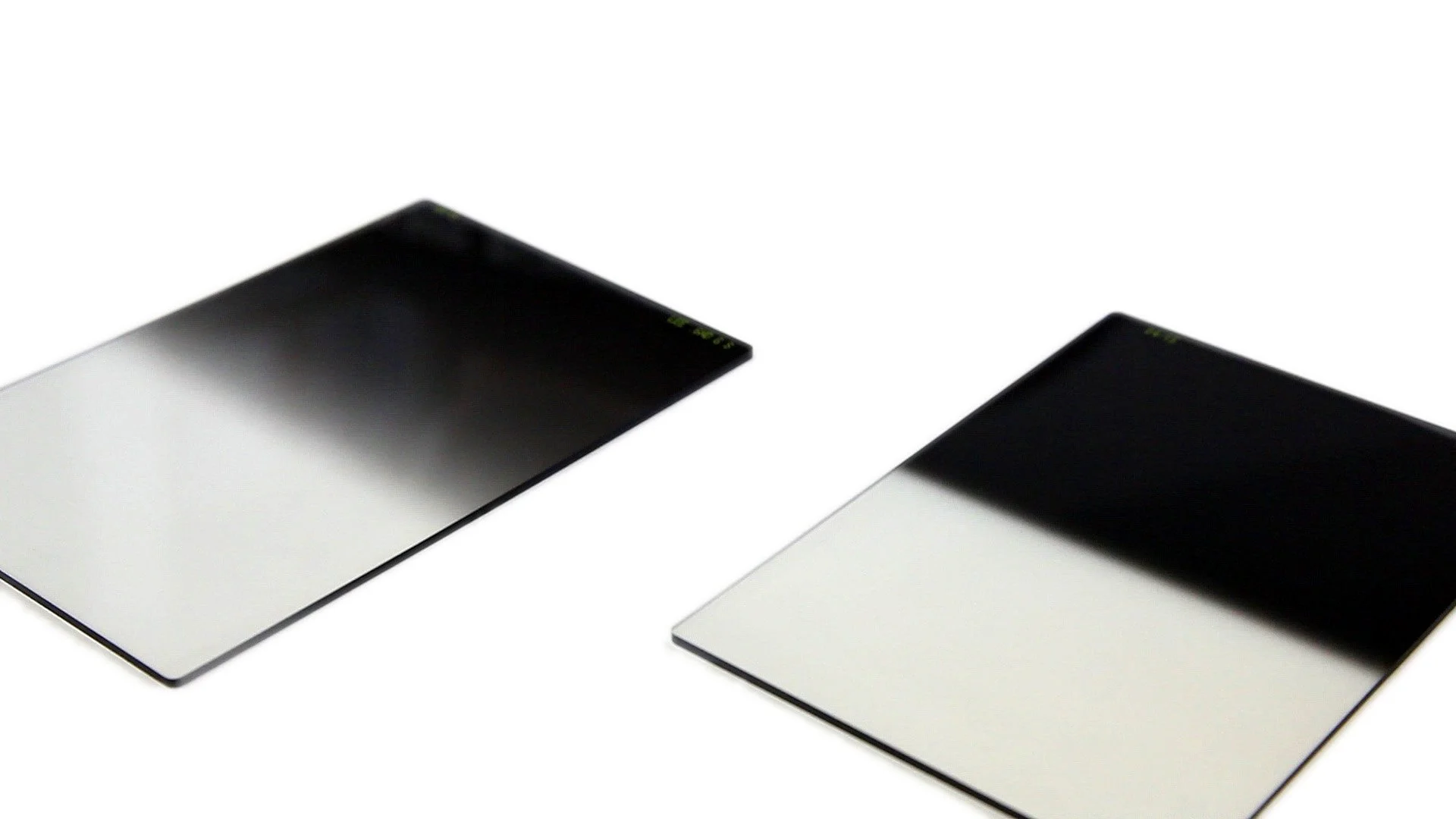
Soft and hard grad filters
Get access to ALL our online courses - 1000’s of videos, worksheets, critiques of members work, personalised support and much more with our monthly membership.
Recommended equipment for Urban Portrait Photography:
Urban portrait photography focuses on capturing people within the context of the city. Rather than isolating the subject, it emphasizes the relationship between individuals and their urban surroundings. This genre often blends human expression with architectural backdrops, street textures, and the rhythm of city life. It requires an eye for composition, an awareness of light and shadows in dynamic environments, and the ability to frame portraits that highlight both personality and place.
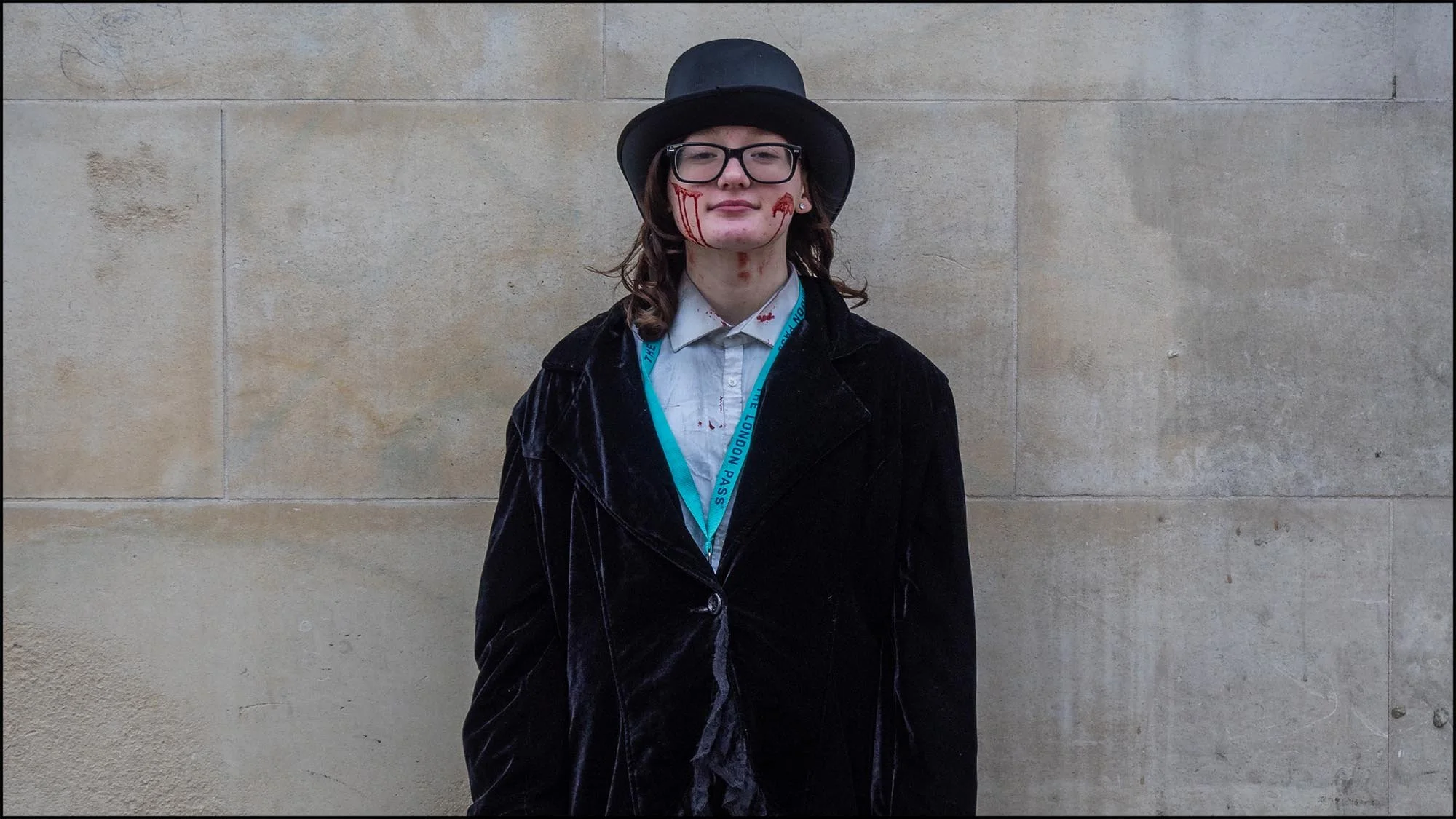
Lenses: A prime lens like 50mm, 85mm, or 105mm are great for portrait photography due to their ability to create a flattering perspective and beautiful background blur (bokeh) that isolates your subject from the busy urban environment. A Zoom lens like a 24-70mm can also be a solid option for urban portraits, as it gives you flexibility in framing and allowing you to adapt to different shooting situations and locations.
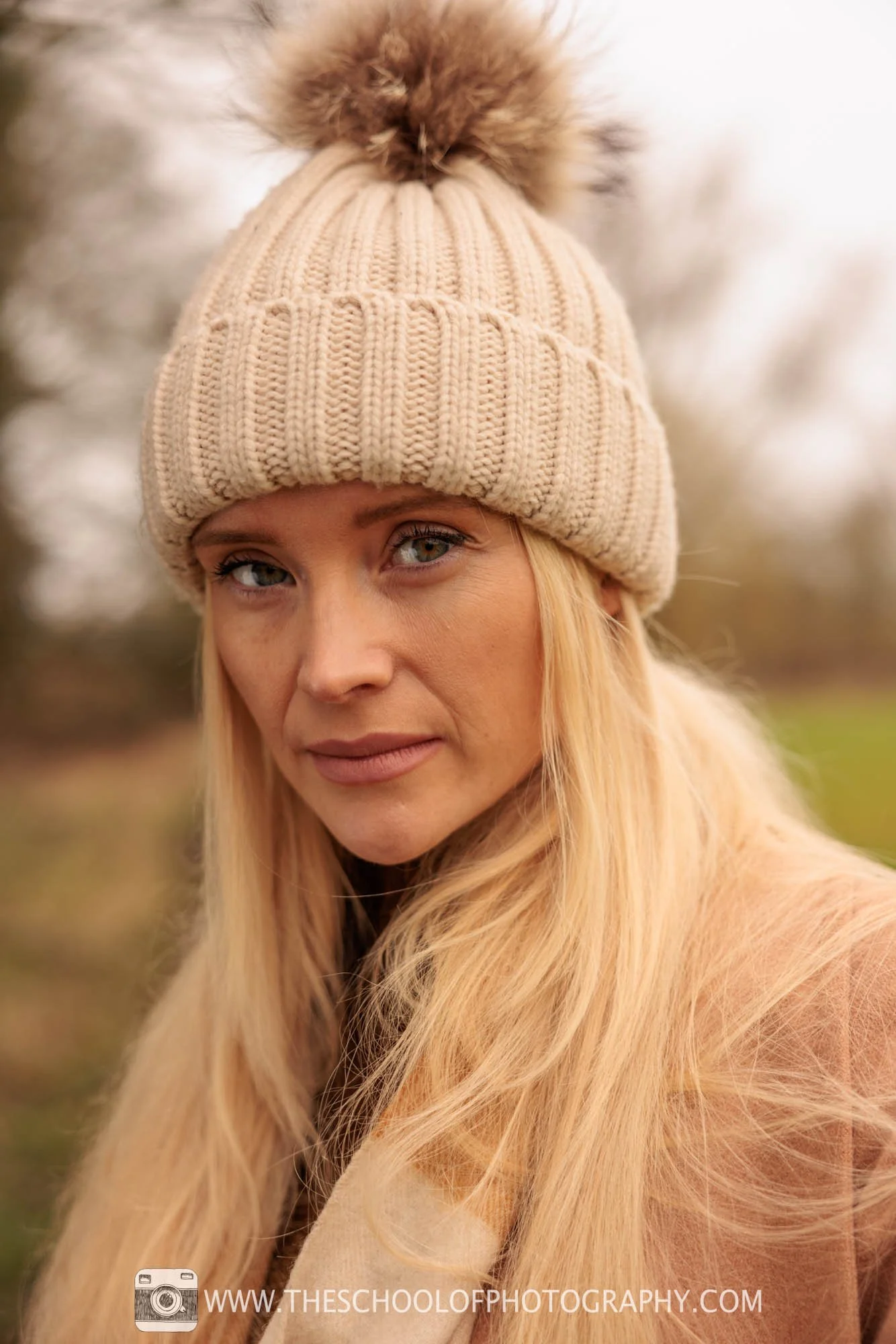
Portrait taken with a 24-70mm zoom lens
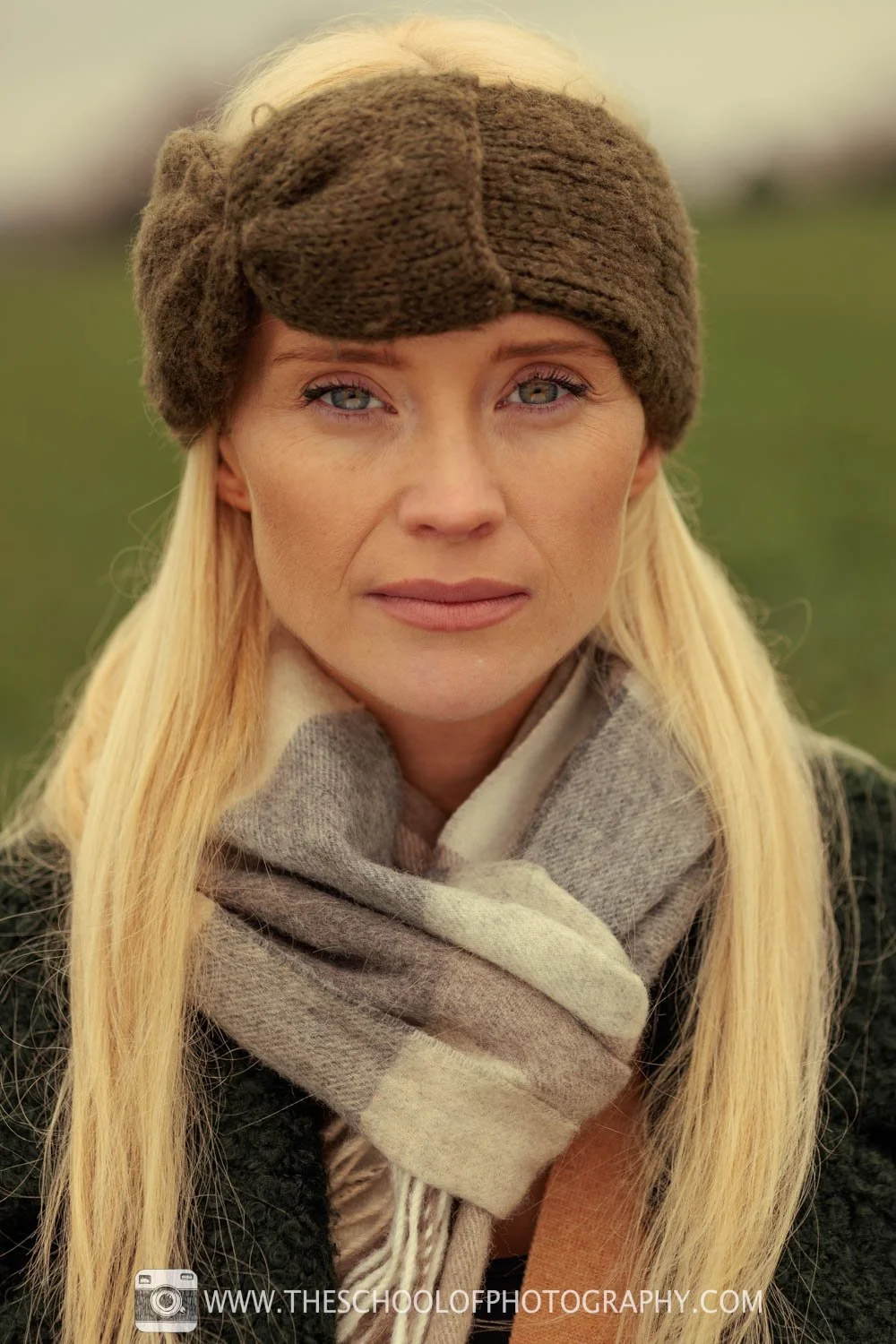
Portrait taken with an 85mm prime lens
Also pack…
Off-camera flash: An off-camera flash allows you to add creative lighting to your urban portraits, controlling the direction and intensity of the light for dramatic or flattering effects. It’s also great when you’re shooting in a darker environment.
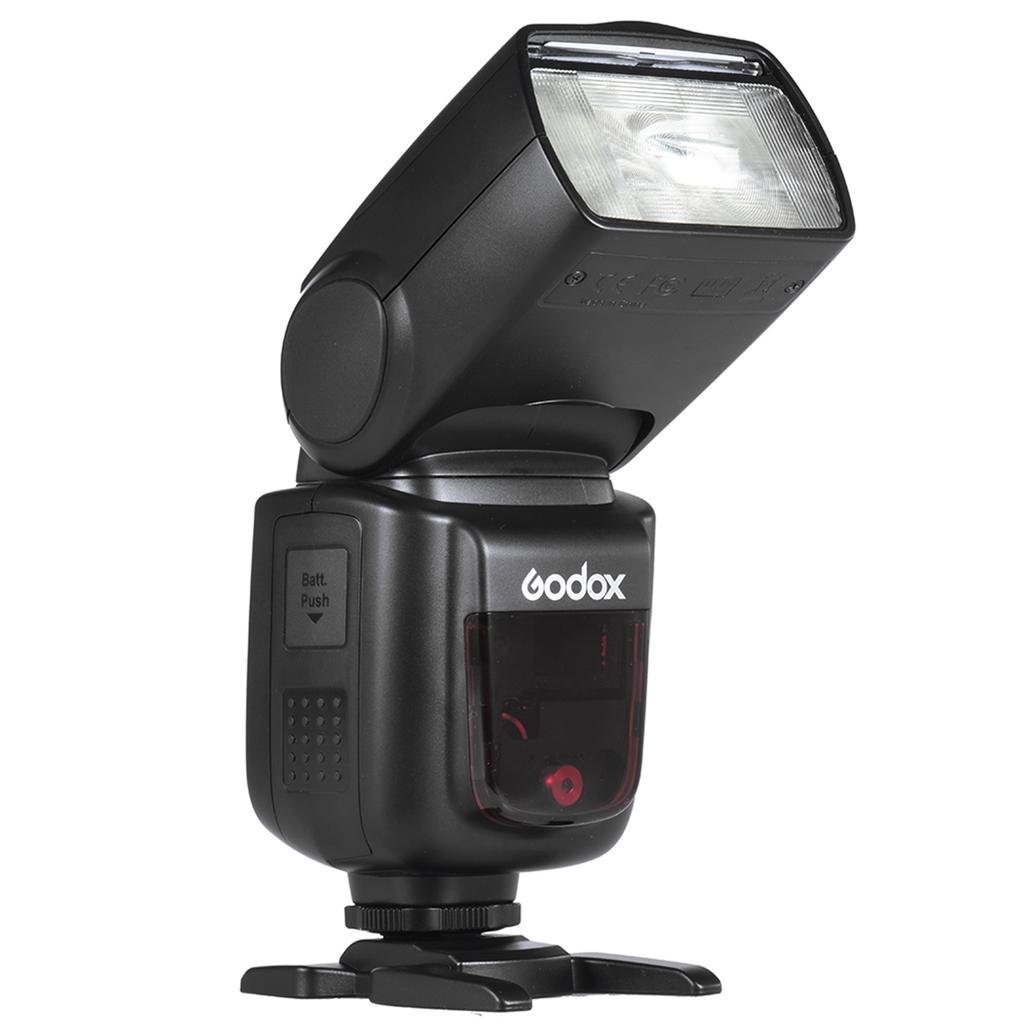
Godoc V850II Off Camera Flash speedlite
Recommended equipment for Urban Night Photography:
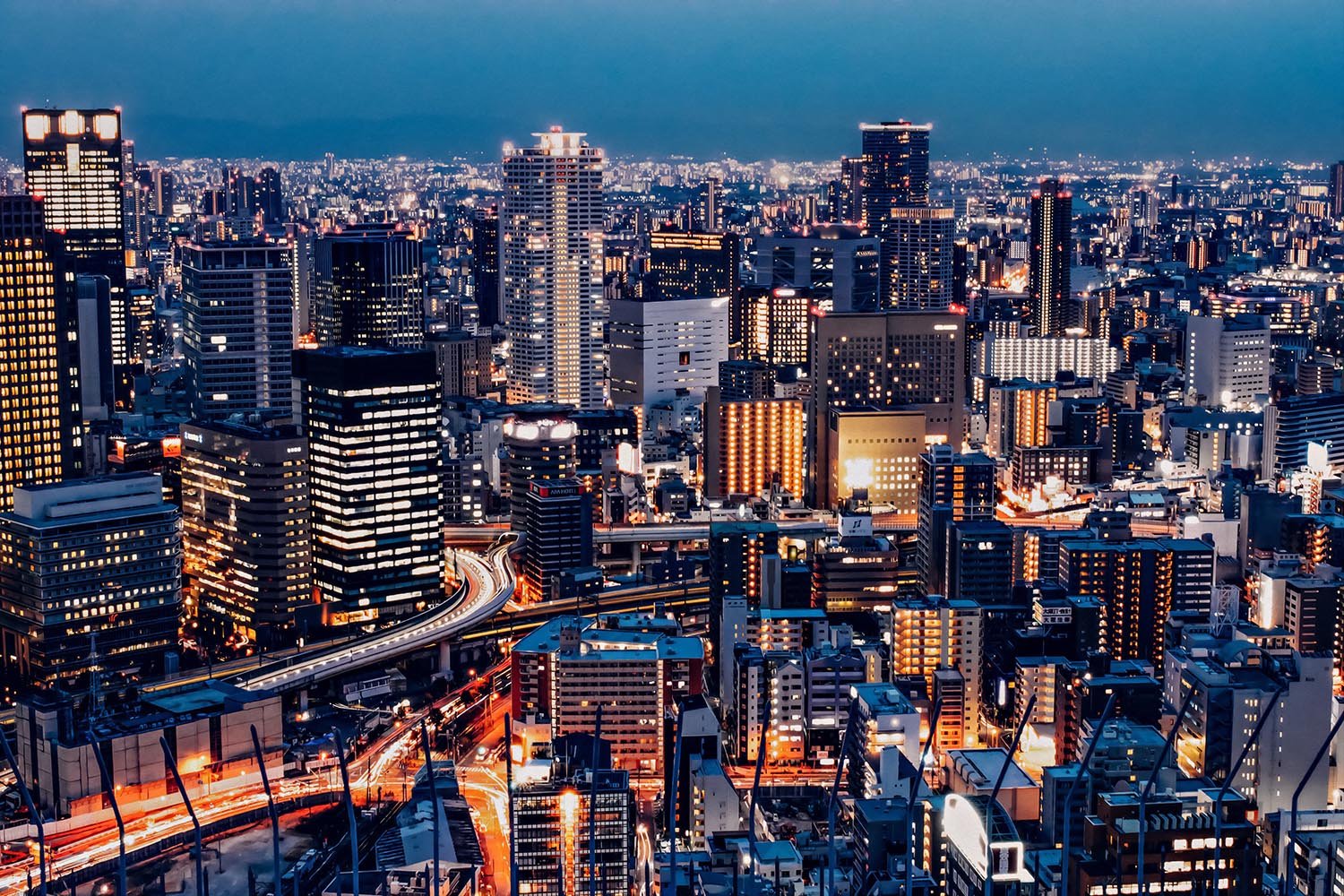
Urban night photography focuses on capturing the city after dark, when artificial light transforms the urban landscape. It often highlights illuminated skylines, glowing streetlights, neon signs, and the interplay between shadows and reflections. This genre requires careful attention to exposure, an understanding of how different light sources shape mood, and patience to find the right timing—whether it’s during blue hour, under glowing street lamps, or in the stillness of midnight. The challenge lies in balancing technical precision with creative vision to reveal the unique character of a city at night.
Learn how to capture the urban night in our Photographing Cities at Night Course.

Lens: Kick off with a fast prime lens with an aperture of f1.8 or wider! These lenses capture more light, enabling you to use lower ISO settings and faster shutter speeds to reduce noise and capture sharper images in low-light conditions. If you’re looking for a wider shot, pack a wide angle (16-35mm or similar) and make sure you use a tripod!
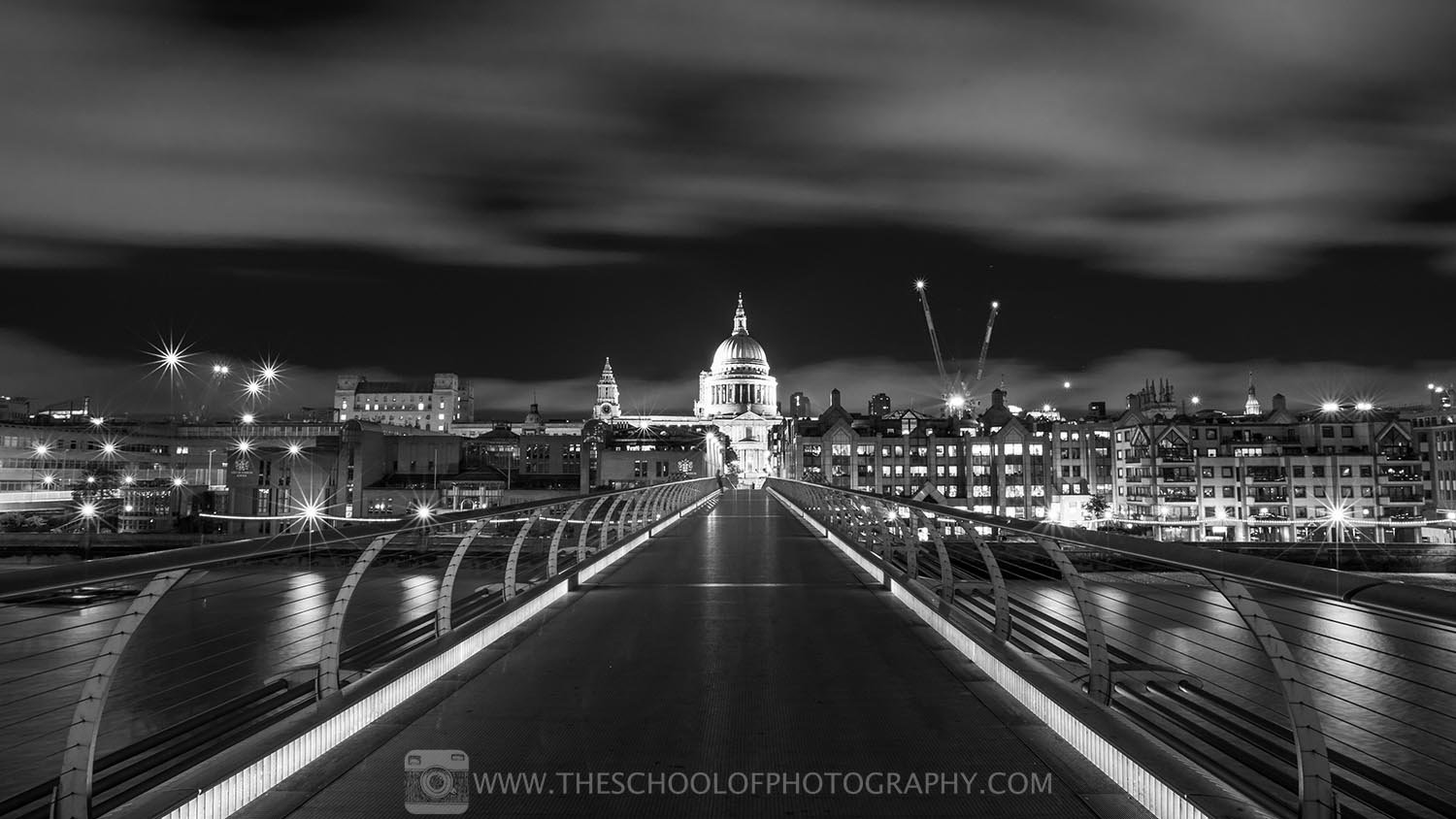
Taken with an ultra-wide angle lens. Camera Settings - f/16 – 30 Seconds - ISO 400 - 16mm focal length, full frame Camera
Also pack…
Tripod: Essential for long exposures! Great for capturing light trails, star trails, and vibrant cityscapes. You can find out all about capturing light trails in our tutorial.
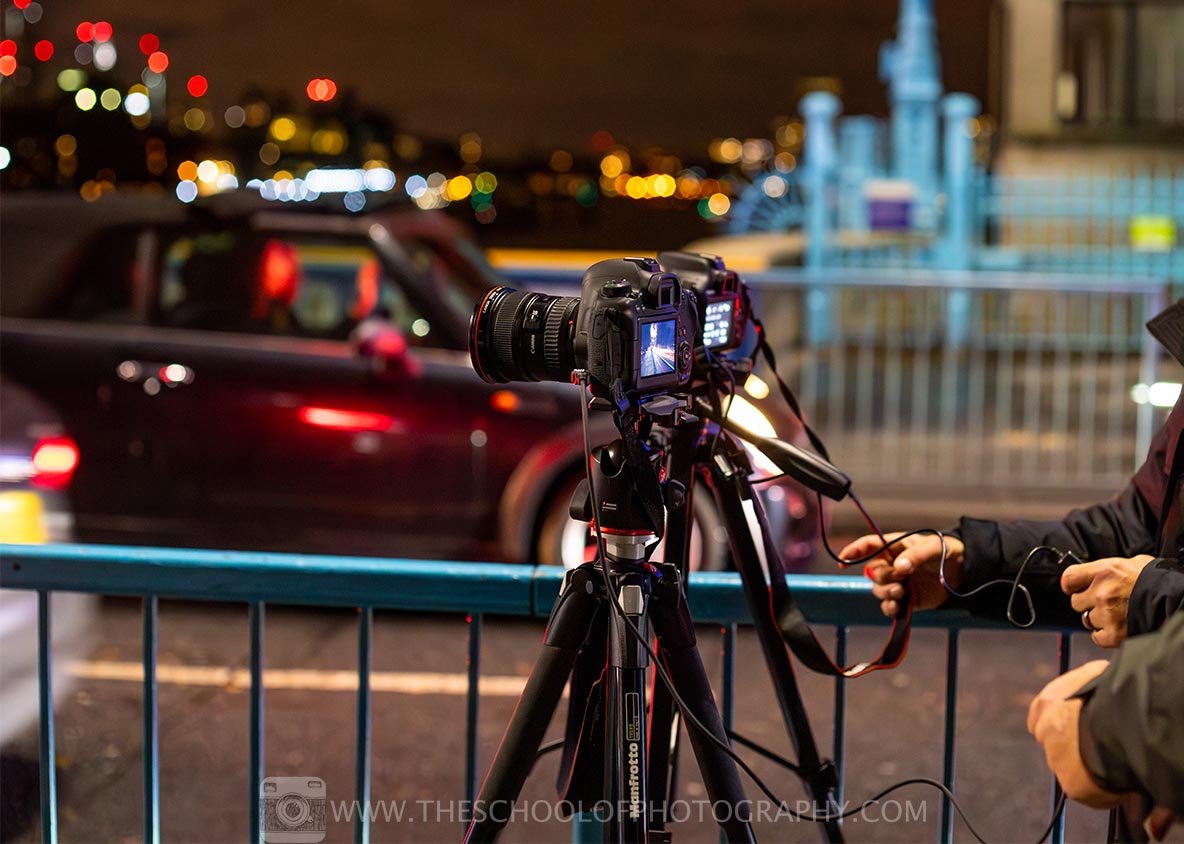
Remote shutter release: This accessory further minimizes camera shake during long exposures, ensuring sharp and clear images.

Remote trigger and cable release
Conclusion
Remember, the best gear is the one you have with you and know how to use effectively. Don't hesitate to experiment with different techniques and explore new perspectives to capture the unique essence of urban environments. If you’re looking to see our full list of recommended kit for beginners, click here.
Happy snapping!
Check out these tutorials below


I hope you liked our blog on the Urban Photography Kit List For Beginners, if you did, please leave us a comment, and support us by sharing it with your friends and subscribe to our newsletter at the bottom of this page for more.
We also have an excellent learning community on social media so please join us there as well.
Thanks for watching and remember – Learn more at The School of Photography.
