There’s a growing fear, with creative circles asking, “will AI kill photography?” After all, if AI can create a perfect forest scene, with autumn leaves, light beams, and misty sunlight, why bother going out to capture it yourself?
The truth is, AI won’t kill photography. It might change it, challenge it, and even redefine how we work, but it will never replace the experience, passion, or creativity that drives photographers to pick up a camera.
In this blog, we’ll explore how AI is reshaping photography without replacing photographers, and why the art form remains as alive and human as ever.
Will AI Kill Photography? Not When Photography Is About Experience
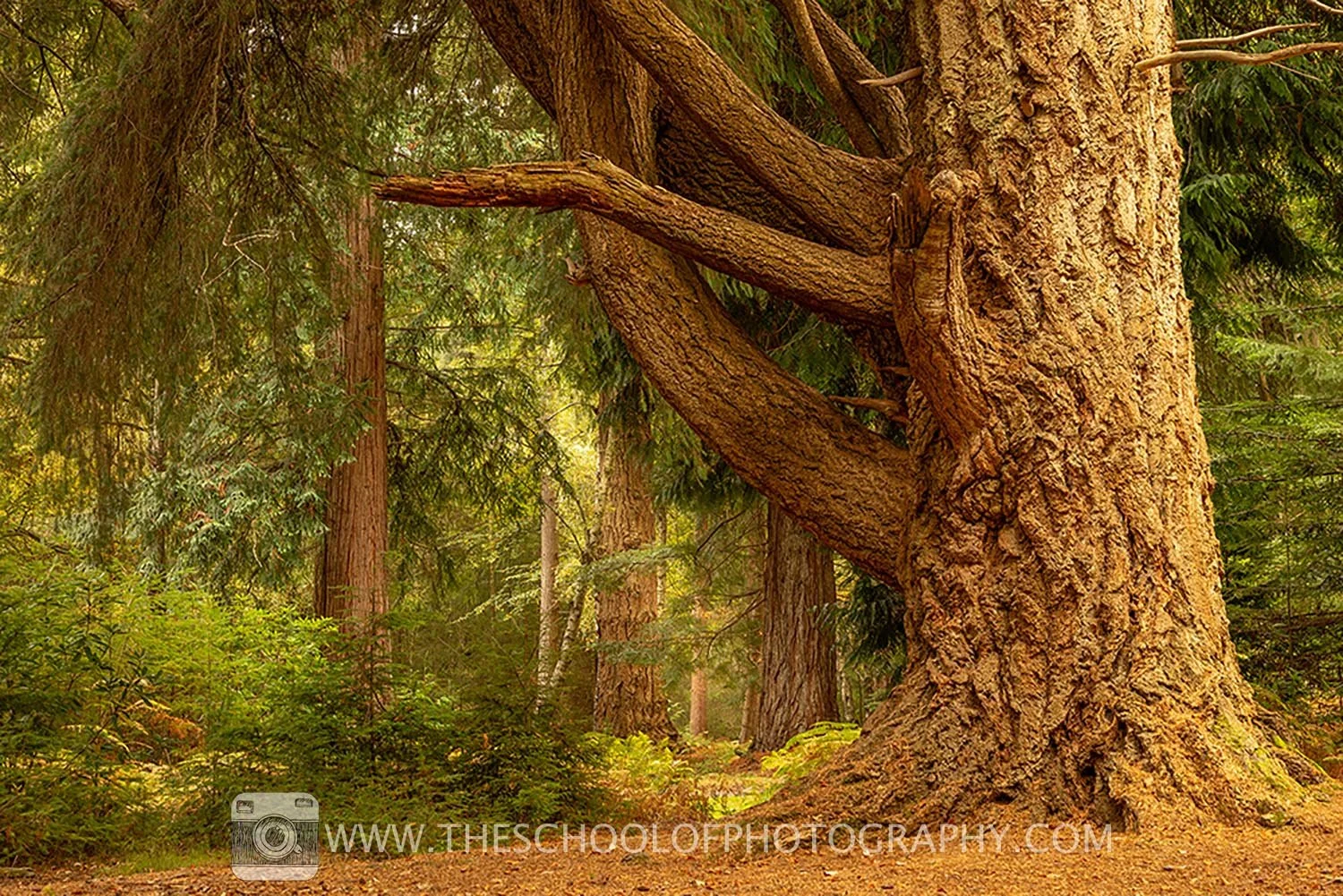
A rainy weekend in the New Forest offers a useful way to answer the question: will AI kill photography? The conditions are the kind photographers often dread, flat grey light, heavy cloud, and persistent rain, with none of the golden autumn glow so many people hope for. And yet, that’s exactly why the point becomes clear.

New Forest autumnal image
AI can generate flawless, picture-perfect forest scenes in seconds. But it can’t recreate the experience of being there: the early start, the commitment to shoot regardless of the weather, the problem-solving around composition and light, and the satisfaction of making something work when conditions aren’t cooperating.
In difficult light, the creative process becomes the reward. Limitations force photographers to draw on their knowledge and make deliberate choices. Even if only a small number of images from the weekend truly feel successful, the value is in the craft — and in the enjoyment that comes from earning the photograph rather than generating it.
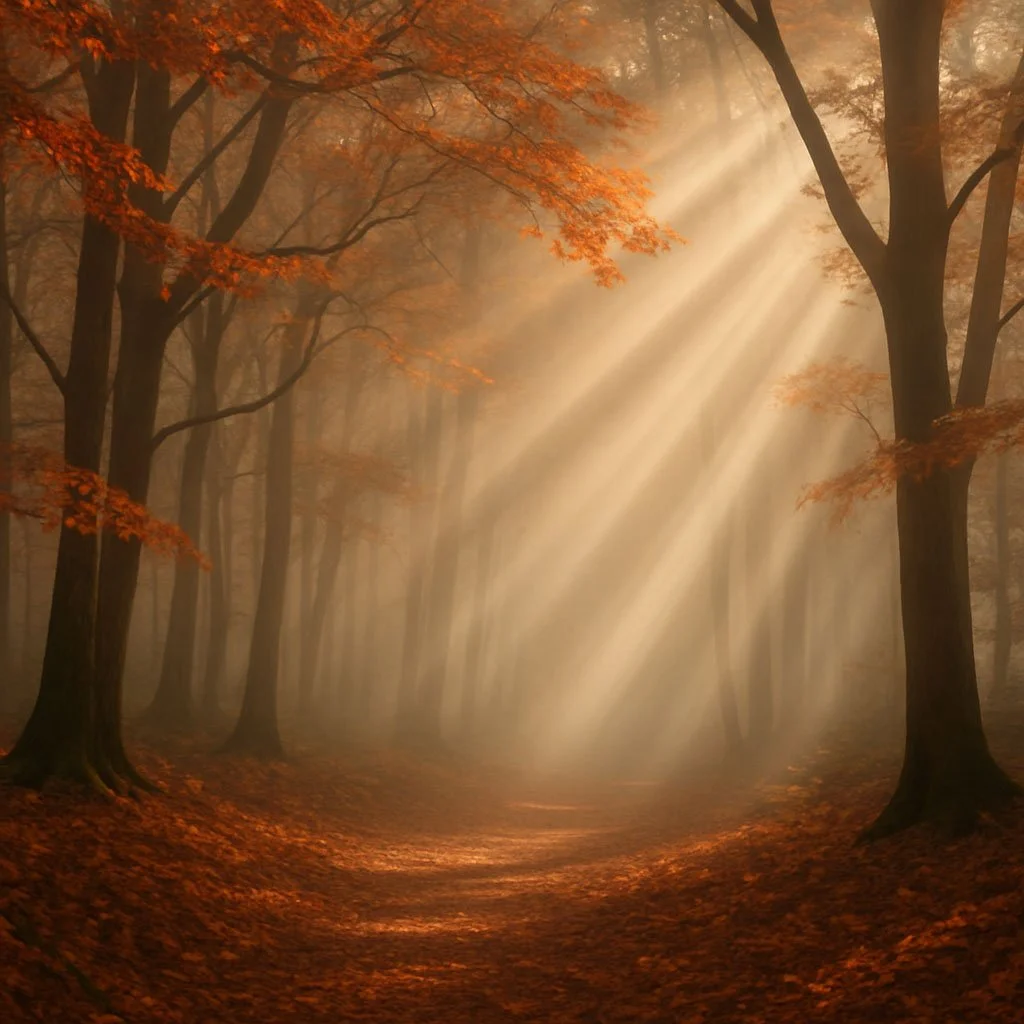
AI Generated Image
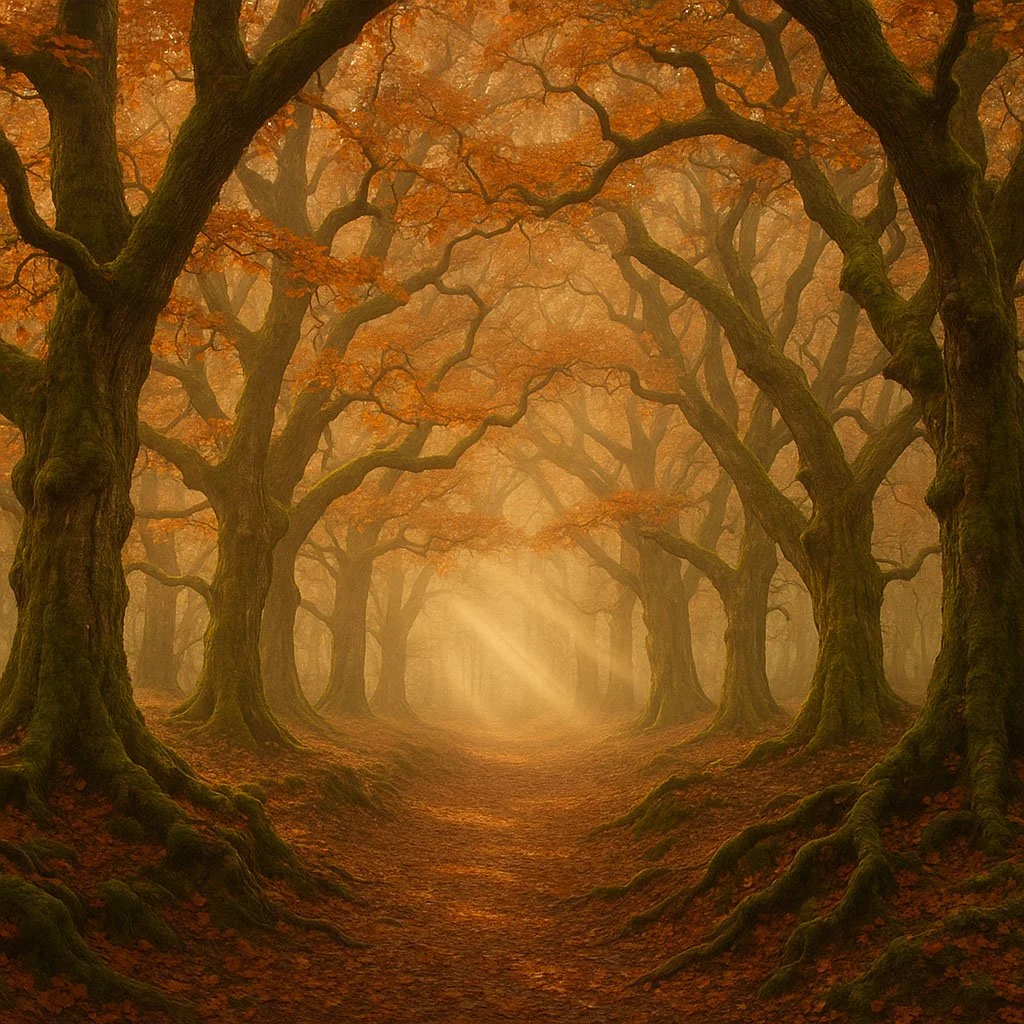
AI Generated Image
How AI Is Changing Photography — Without Replacing It
When people ask will AI kill photography, they’re often really asking whether photographers will still be needed. The truth is that AI is changing the industry, but mostly by automating repetitive tasks and making certain types of generic imagery cheaper and faster to produce.
AI is influencing nearly every part of the photography world, from editing software to camera technology, but it’s doing so in a way that enhances the craft, not replaces it.
1. AI-Powered Editing Tools That Work with You, Not Instead of You
AI editing software is getting smarter every month. Tools like Adobe Lightroom’s AI Masking, Luminar Neo, and Topaz Photo AI use machine learning to select subjects, remove noise, and even enhance details automatically.
But these tools don’t make creative decisions for you — you decide how far to push them. They free up time for photographers to focus on storytelling, colour, and mood rather than tedious retouching.
TSOP Tip: AI should handle repetition, not imagination. Use it to save time, not to skip the creative process.
Learn more on Lightroom here - Learn more on Photoshop here.
2. AI Features in Cameras Are Quietly Making Photos Better
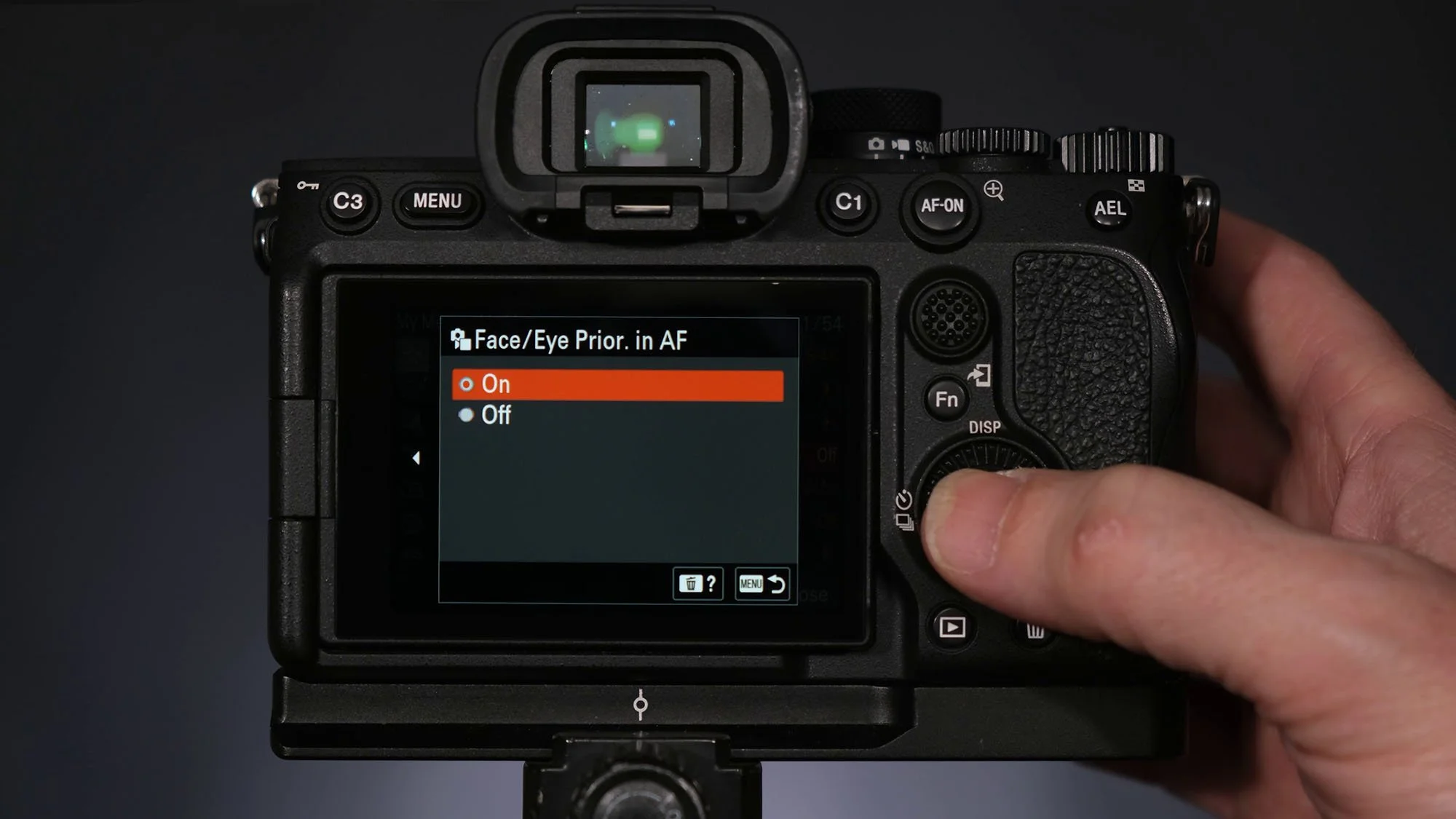
Modern cameras — from smartphones to mirrorless systems — are already powered by AI.
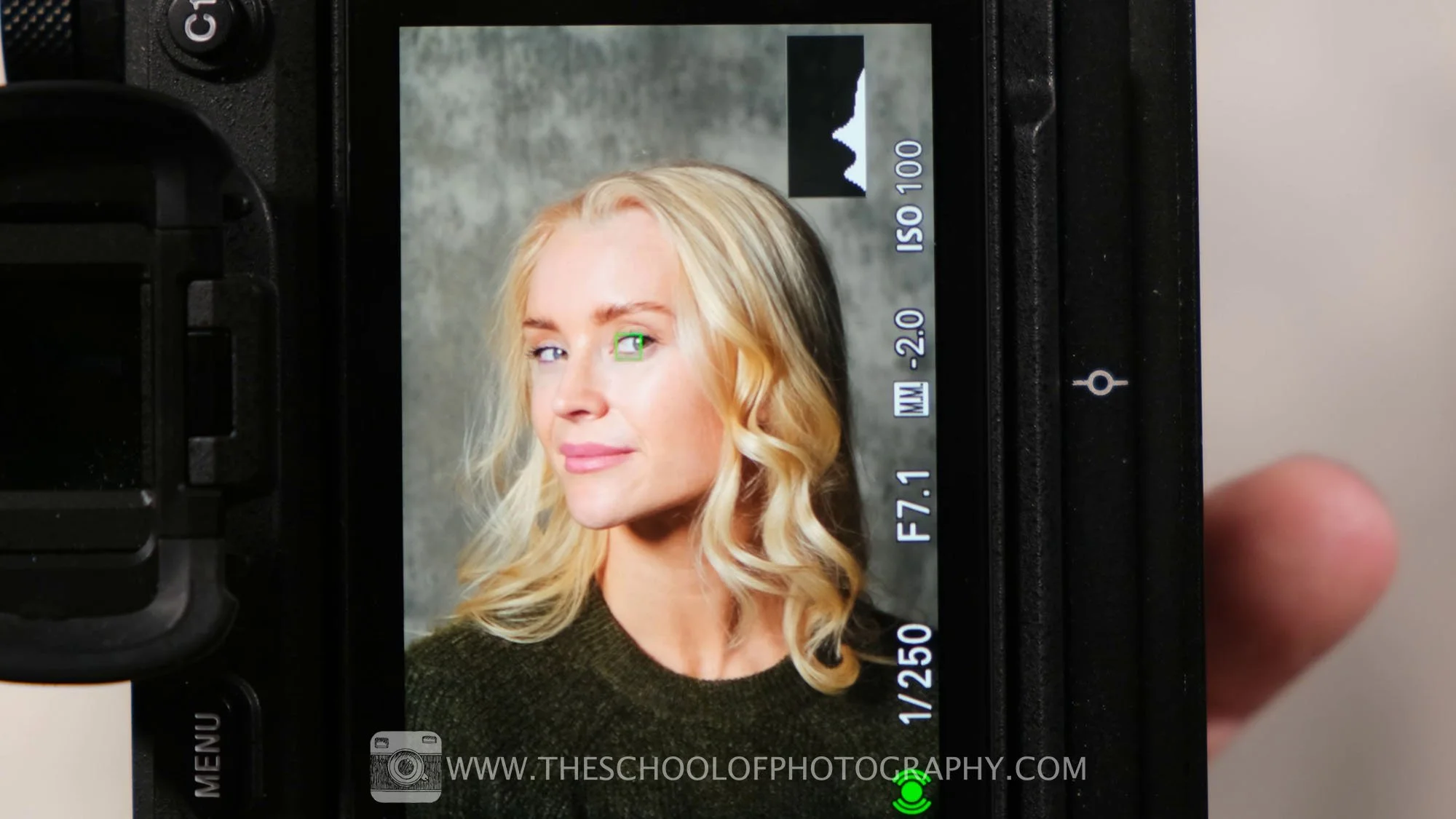
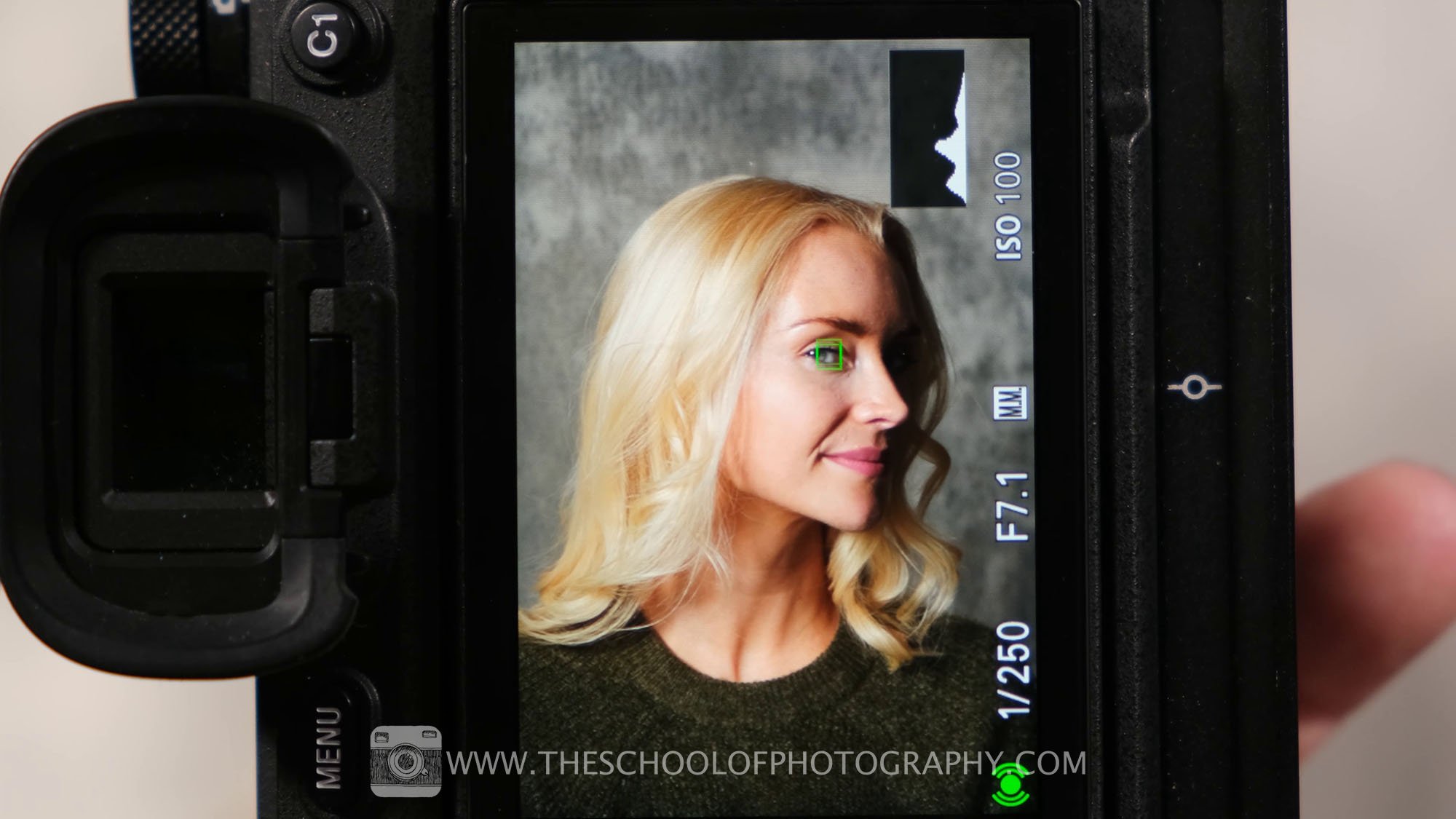
Features like subject detection, intelligent autofocus, and real-time scene recognition improve sharpness and exposure automatically.
But crucially, they don’t remove the photographer’s touch. Instead, they act like an assistant — refining the technical side so you can focus on the creative side.
Example: Sony’s Real-time Eye AF, Canon’s Deep Learning autofocus, and Apple’s computational photography all use AI to help you capture the shot you envisioned — not a shot the computer chose for you.
3. AI Enhancing Photos from Traditional Cameras
AI post-processing tools can breathe new life into images captured on DSLRs or mirrorless cameras. Whether it’s denoising, sharpening, or colour balancing, AI can enhance traditional images without stripping them of their authenticity.
A good example is Topaz Gigapixel AI, which upscales images while maintaining realistic texture — perfect for large prints or exhibitions.
The key is subtlety. The goal isn’t to make the image look AI-generated, but to use AI to reveal details that were already there.
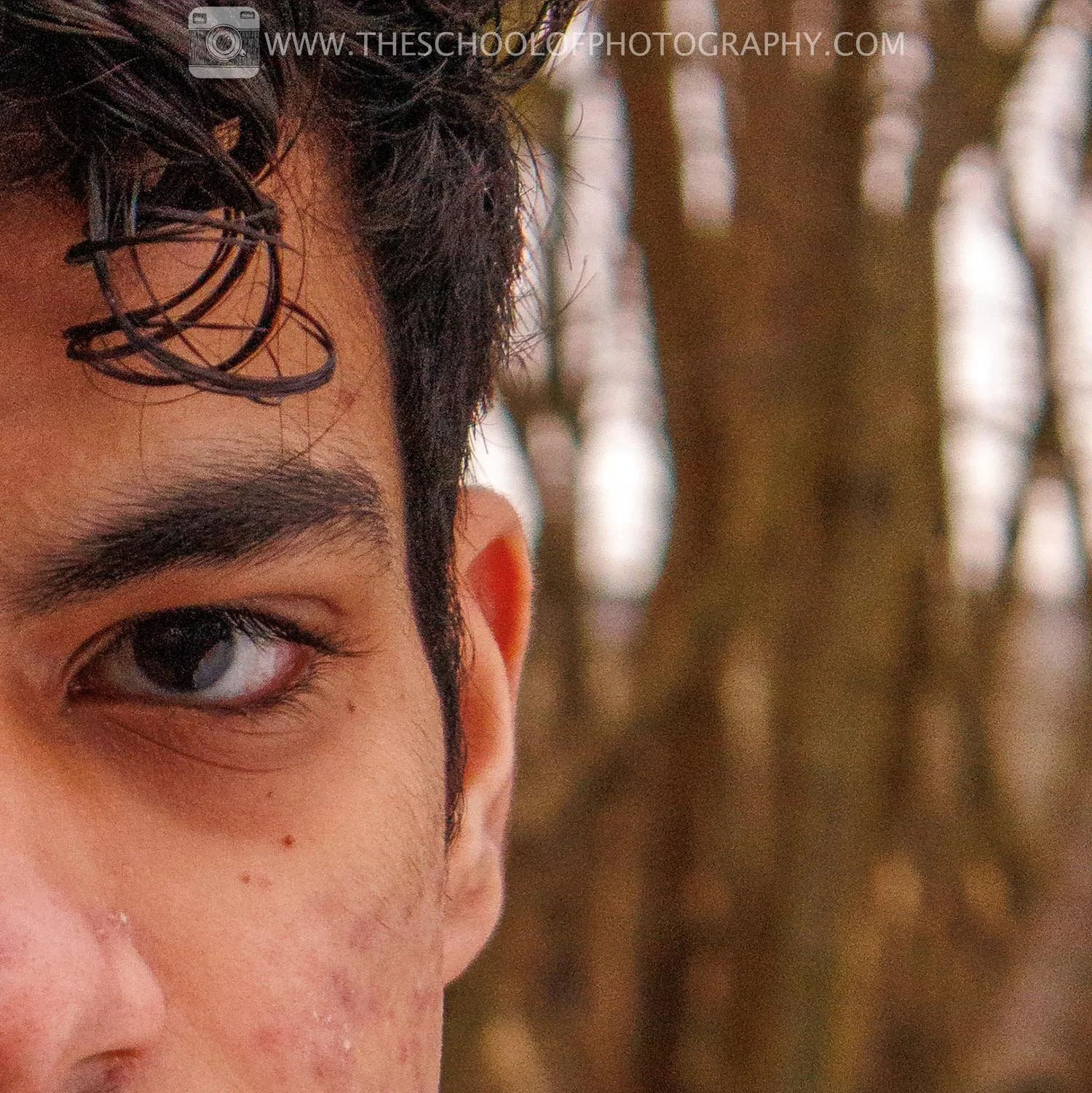
Image with noise
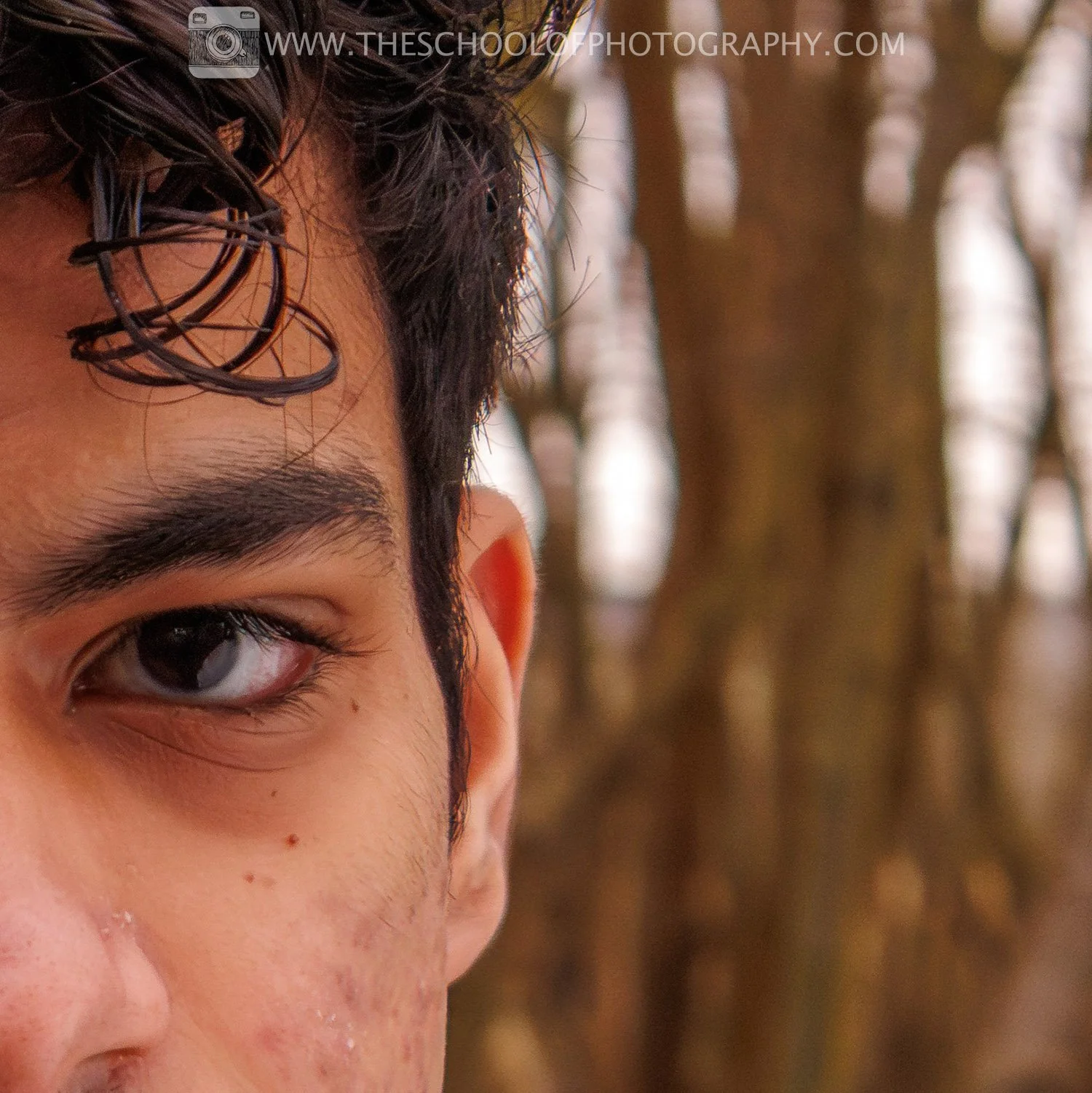
Image with Denoise added in Lightroom
Learn more about Denoise in our Lightroom Course
Get access to ALL our online courses - 1000’s of videos, worksheets, critiques of students work, personalised support and much more with our monthly membership.
The Real Risk: Stock Photography and Generic Images
There’s one corner of photography where AI is disrupting fast, stock photography. If a company wants a generic forest scene or a product mock-up, they can now generate it with prompts in DALL·E, Gemini, or Midjourney in seconds.
That means photographers who rely solely on stock sales will find competition tougher than ever. But this decline didn’t start with AI, it began years ago, when digital platforms and oversupply drove down prices.
Photography that relies on uniqueness, experience, and human connection, such as weddings, portraits, documentary, or fine art will remain irreplaceable.
Creativity Can’t Be Automated
Photography is 50% technical and 50% emotional. AI might be able to mimic the first half — exposure, sharpness, colour, but it will never replicate the second.
When you’re out in bad weather, composing a scene, or waiting for the light to shift, you’re part of a process that no algorithm can feel. It’s this emotional connection that gives photographs their soul.
The same goes for teaching. Learning photography, experimenting, and improving through trial and error are all deeply human experiences. AI can offer suggestions, but it can’t replace the mentorship and feedback that help photographers grow.
AI in Photography Education: Learning How to Use AI Without Losing Your Style
The question “will AI kill photography” also shows up in education — especially from beginners wondering whether it’s still worth learning camera skills. It’s arguably more important than ever to learn the fundamentals, because AI tools work best when guided by someone who understands light, composition, and visual intention.
Rather than being a threat, AI is increasingly becoming a practical learning tool for photographers. Used well, it can speed up repetitive tasks, simplify complex edits, and help photographers understand what’s possible in post-production — without removing the need for creative decision-making.
Courses that teach AI tools effectively do exist, and they’re becoming essential for photographers who want to stay current. Our Lightroom and Photoshop courses cover modern AI-powered features including Masking, AI Denoise, and Generative Fill, focusing on how to apply them in a way that supports creative intent and maintains a natural, authentic finish
TSOP Insight: The future belongs to photographers who combine technical skill with creative thinking — and AI is just another tool in that journey.
Are you a beginner photographer? - Check out our Beginner Photography Course.

Using Object Masking to remove sections in Lightroom
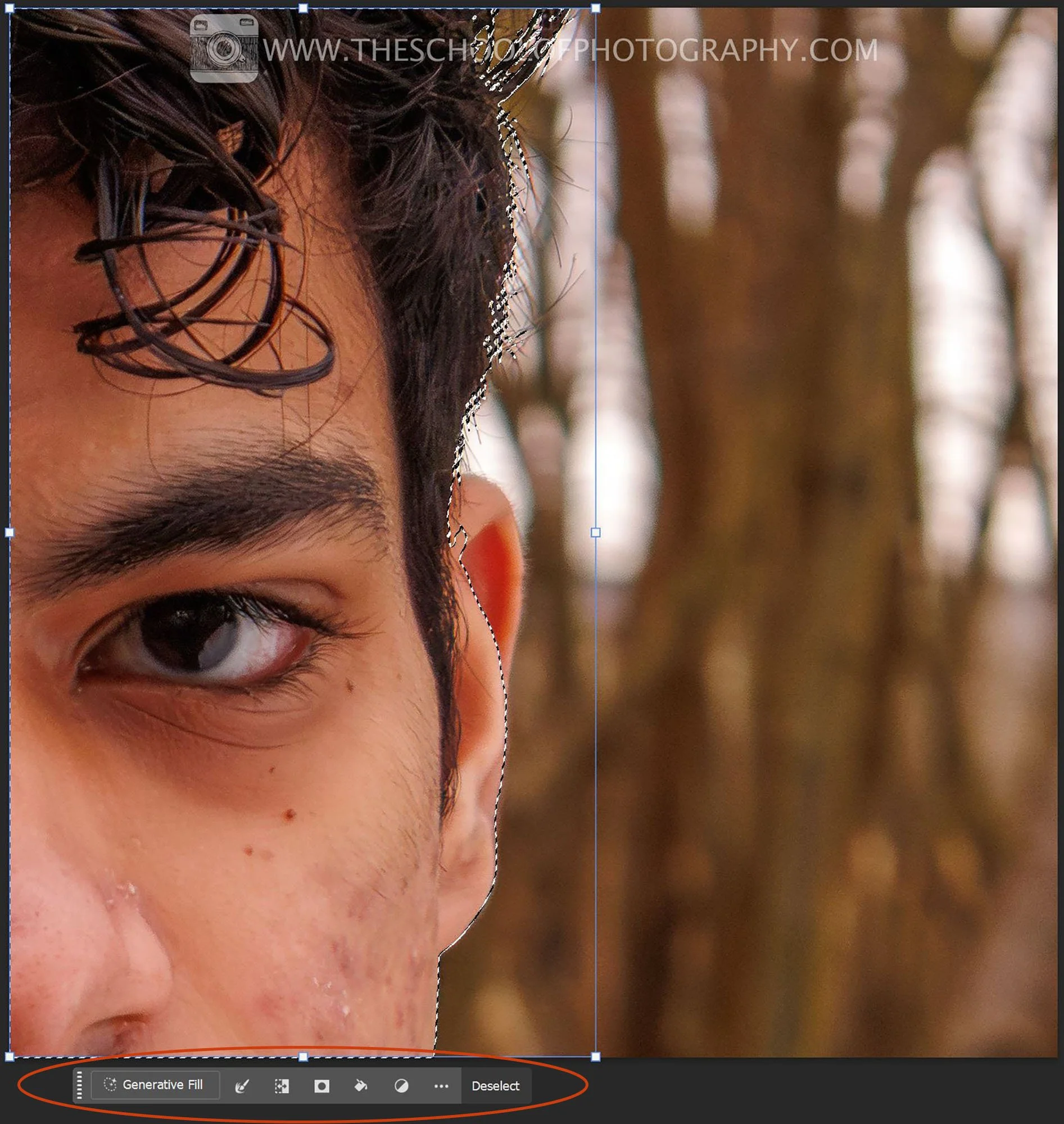
Photoshop Generative Fill Panel
The Companies Powering AI Photography
Several companies are leading the charge in creating AI software that complements professional photography rather than replacing it:
• Adobe – AI masking, Denoise, and Generative Fill features in Lightroom and Photoshop.
• Skylum (Luminar Neo) – Automated sky replacement, portrait retouching, and lighting enhancement.
• Topaz Labs – Industry-leading noise reduction and upscaling powered by AI.
• ON1 Photo RAW – Smart masking and adaptive AI adjustments.
• NVIDIA Studio – GPU-powered AI features for advanced rendering and editing.
These tools are designed to support photographers — not sideline them.
The Part AI Can’t Replace
AI can speed up editing, generate ideas, and even produce convincing images on demand. But photography isn’t only the finished picture, it’s the decisions, the timing, and the interpretation behind it. Waiting for the right light, adapting to difficult conditions, choosing what to include (and what to leave out), and responding emotionally to a scene are all human inputs that shape the final photograph.
That’s why photography will evolve alongside AI rather than disappear. The tools change, but the heart of the craft the creative intent, personal vision, and storytelling will stay human.
Conclusion
So, will AI kill photography? No, but it will continue to change parts of the industry, particularly where imagery is generic, repeatable, and purely functional.
AI has changed photography forever, but not by killing it. It’s a collaborator, not a competitor. When used wisely, AI tools help photographers work faster, push creative boundaries, and focus on what really matters: seeing the world through their own eyes.
So, the next time you hear someone say, “AI will replace photographers,” remember this:
AI can create the picture, but it can’t create the passion.
If you want to learn how to use AI and Lightroom together to enhance your creativity, explore our Lightroom Course and Photoshop Course.
And if you’re serious about building your skills from composition to post-processing, join our community of photographers by becoming a member, where learning, creativity, and connection will always come before automation.
Like this? - Check out more free tutorials below


I hope you enjoyed this blog on the topic of AI photography. If you did, please leave us a comment and support us by sharing it with your friends and subscribe to our newsletter at the bottom of this page for more. You may also enjoy this tutorial on AI Photography.
We also have an excellent learning community on social media so please join us there as well.
Thanks for watching and remember – Learn more at The School of Photography.
About the author
Hi, I’m Marc Newton and I’m a photographer, educational speaker, author, teacher of photography and the founder of The School of Photography. Follow my personal work on Facebook, Instagram.