
Learn Videography: The Complete Beginner’s Guide
Video has become one of the most powerful ways to communicate ideas, tell stories, and share knowledge online. From YouTube creators to businesses and educators, video content is now essential across almost every industry.
If you want to learn videography, the good news is that getting started has never been easier. Modern cameras, editing software, and online learning resources mean anyone can begin developing videography skills with the right guidance.
Videography combines technical camera knowledge with creative storytelling. By understanding a few core principles — such as composition, lighting, camera settings, and editing — beginners can quickly start producing high-quality video content.
This guide will walk you through the fundamental skills every beginner needs to learn videography successfully.
Check out our full in-depth Videography Course here.
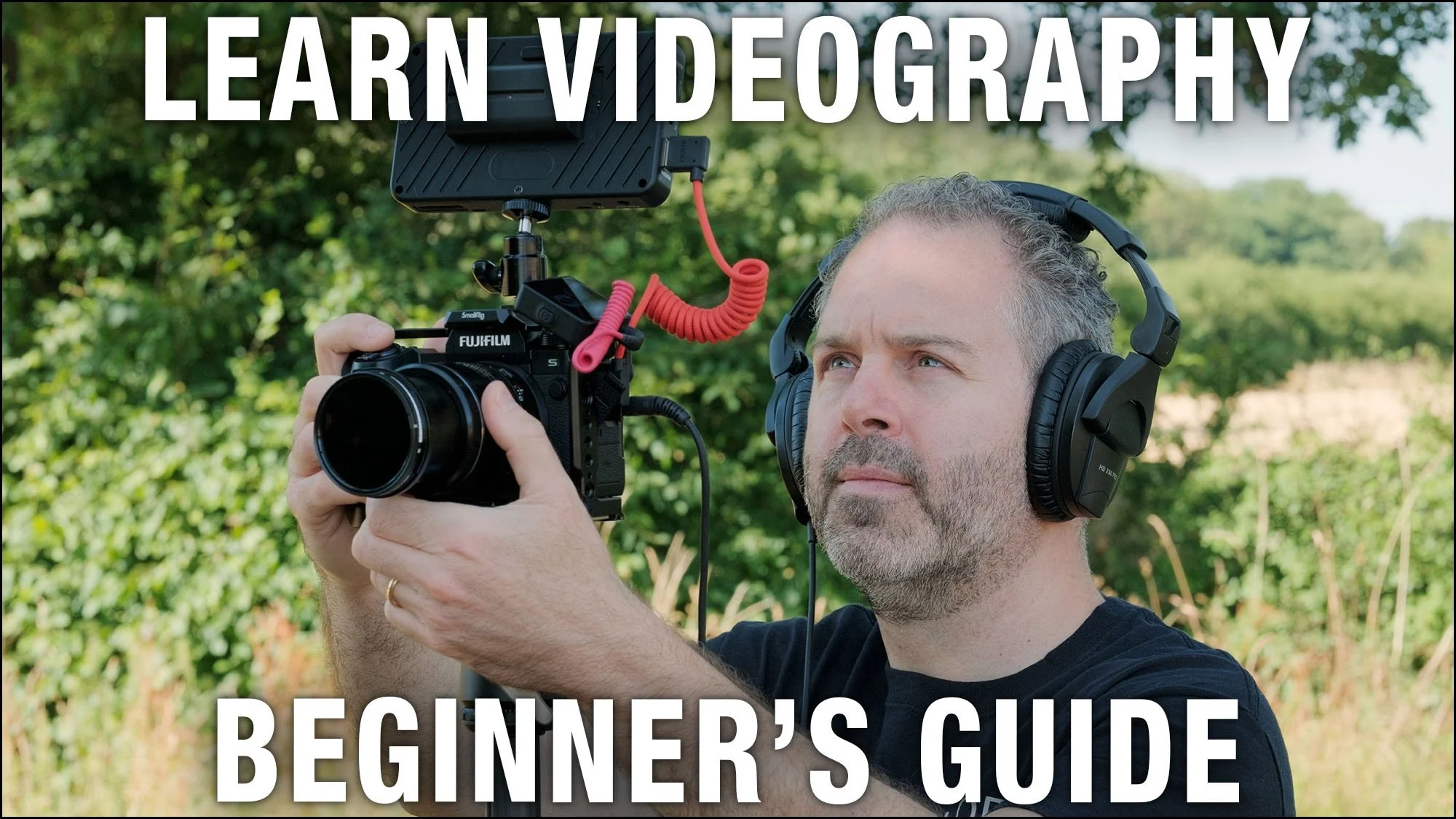
A Step-by-Step Plan to Learn Videography
Step 1: Understand Basic Video Camera Settings
Start by learning how frame rate, shutter speed, aperture, and ISO affect your footage. These settings control exposure, motion blur, and depth of field in video.
Step 2: Practise Camera Composition
Learn how to frame your subject using techniques such as the rule of thirds, leading lines, and balanced framing.
Step 3: Experiment With Camera Movement
Try simple camera movements like pans, tilts, and tracking shots to add motion and energy to your videos.
Step 4: Learn Basic Lighting Techniques
Understanding natural light and simple lighting setups will dramatically improve the quality of your footage.
Step 5: Learn Video Editing
Editing allows you to combine clips, adjust pacing, and add sound or colour correction to create a finished video.
Step 6: Practise Regularly
The fastest way to learn videography is through practice. Filming regularly helps build confidence with your equipment and improves your storytelling skills.
If the above terms are confusing you, check out our in depth training on these here.
Get access to ALL our online courses - 1000’s of videos, worksheets, critiques of students work, personalised support and much more with our monthly membership.
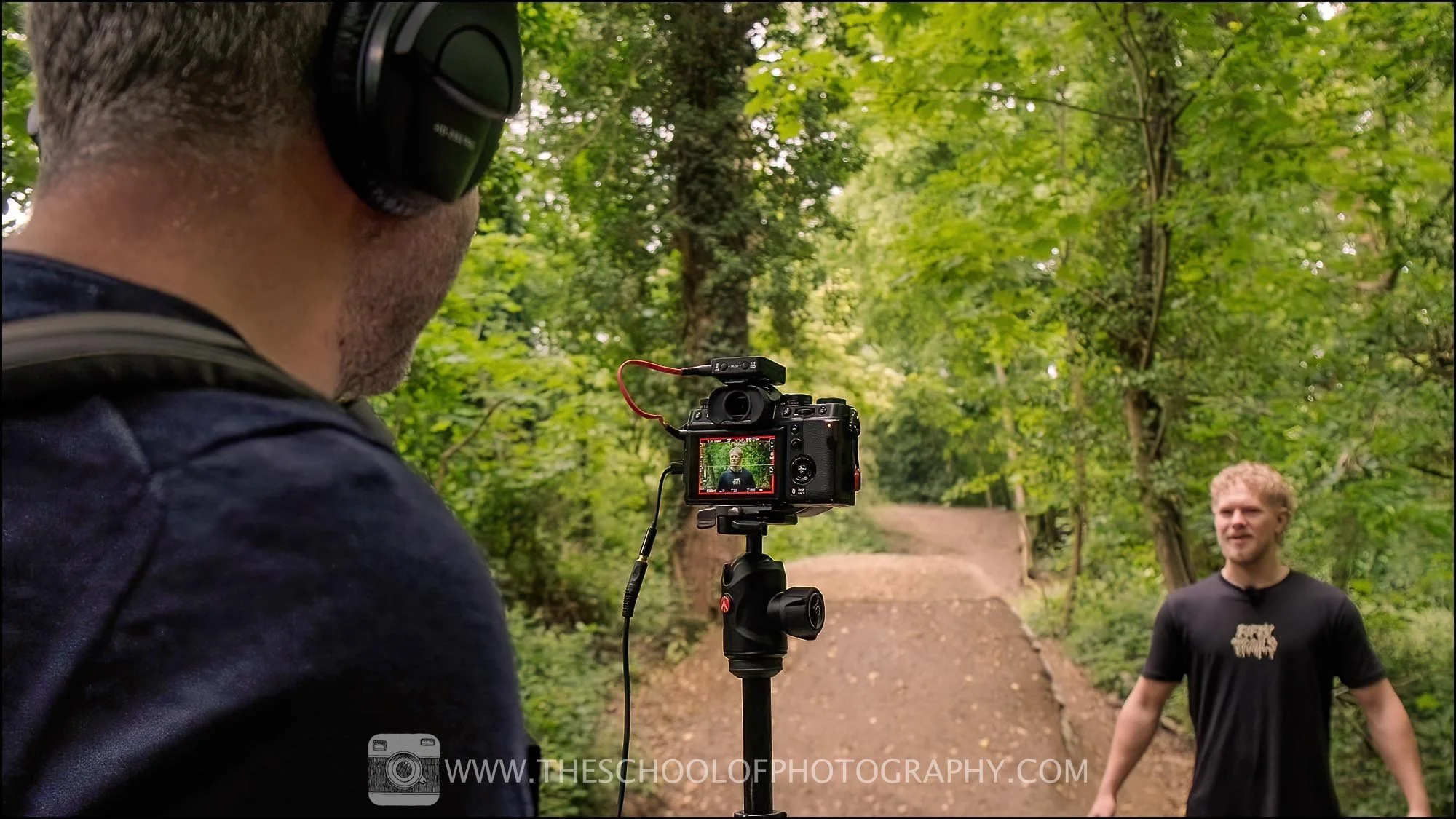
Photography is about capturing moments and telling stories—whether you're behind the camera or in front of it, it all starts with seeing the world creatively.
What Is Videography?
Videography is the process of capturing moving images and sound to create a video. Unlike photography, which records a single moment, videography records motion over time and often combines visuals, audio, and editing to tell a story.
Videography is used in many different fields including:
Marketing and advertising
Documentaries
Weddings and events
Social media content
Educational videos
Because video combines visuals, sound, and editing, videographers must consider multiple creative and technical elements when recording footage.
Why Learning Videography Is a Valuable Skill
Learning videography can open up many creative and professional opportunities.
Growing Demand for Video Content
Video content dominates platforms like YouTube, Instagram, TikTok, and LinkedIn. Businesses rely on video to engage audiences and communicate their message effectively.
Creative Expression
Videography allows creators to combine visuals, sound, and editing to tell stories in powerful ways.
Career Opportunities
Many industries require videography skills including:
Social media content creation
Marketing and advertising
Event videography
Filmmaking and documentaries
As video continues to grow in importance, the demand for skilled videographers is increasing.
If you want to start a career in videography, click here.
Essential Equipment to Learn Videography
Many beginners think they need expensive gear to start filming. In reality, you can learn videography using simple equipment.
Camera
Most beginners start with:
Mirrorless cameras
DSLR cameras
Smartphones with high-quality video
Understanding how your camera works is more important than having expensive gear. Learn your camera here.
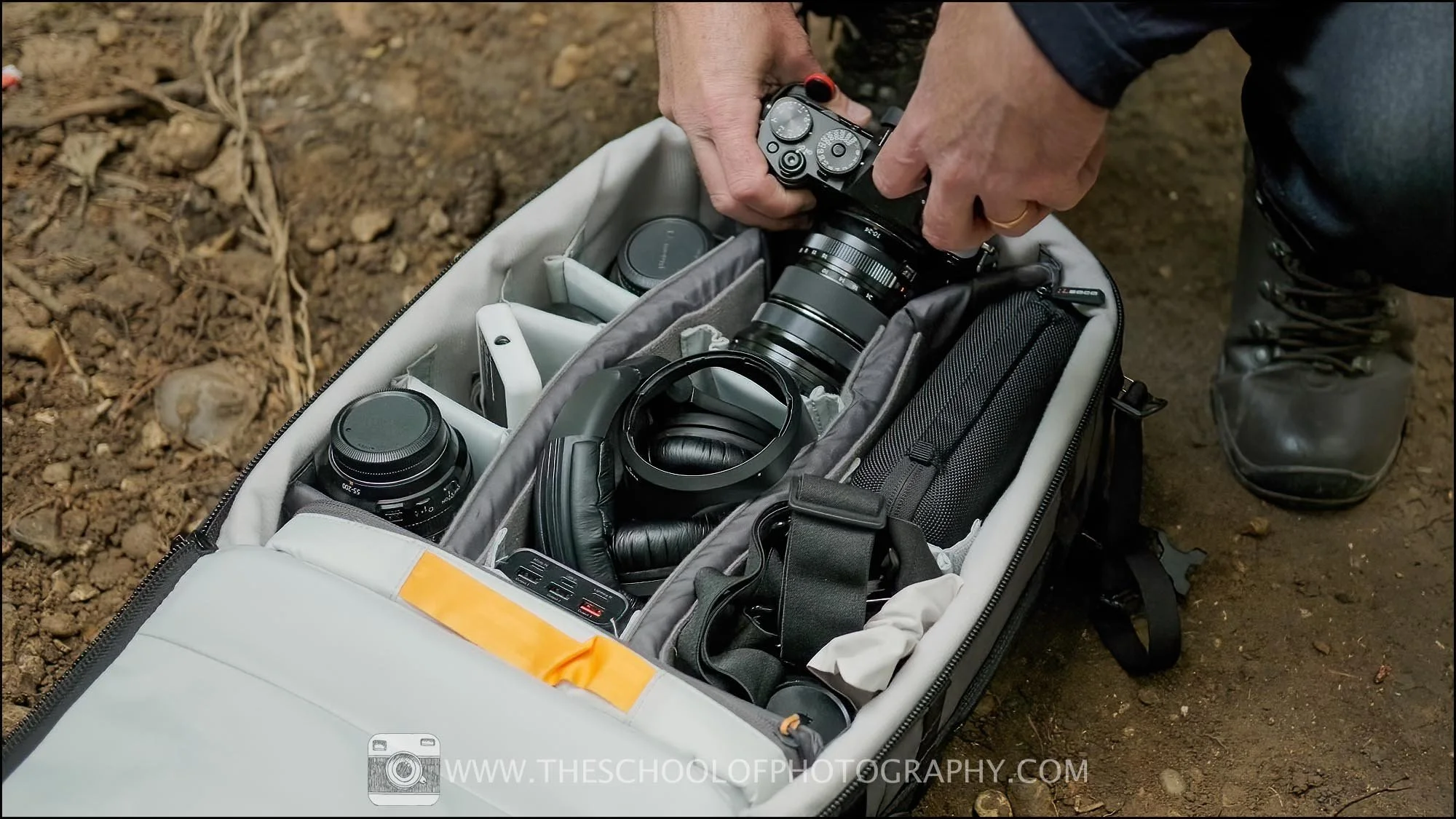
Organising your camera bag with the right gear is a crucial first step in learning videography.
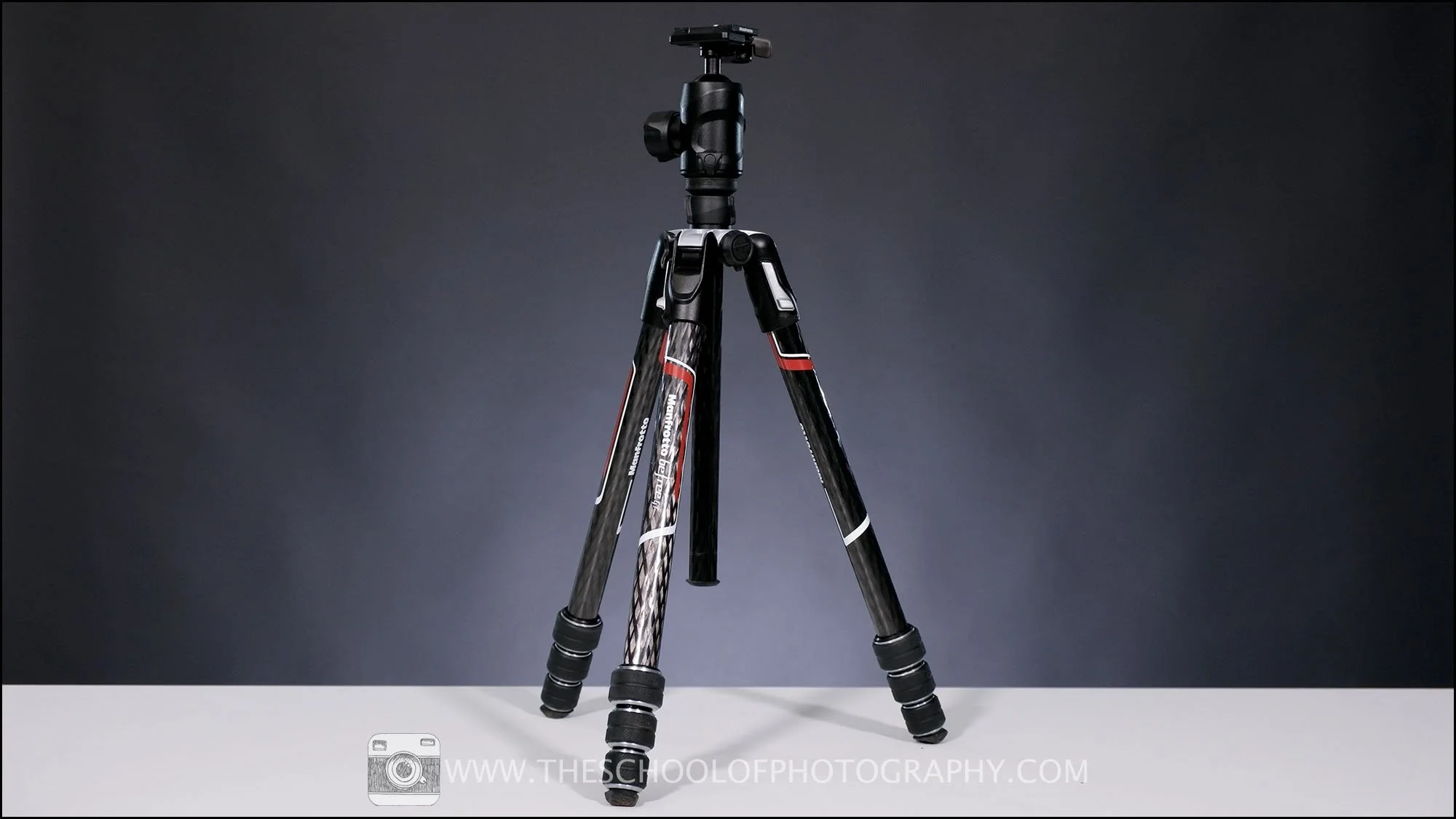
A tripod provides essential stability, helping you capture sharper photos and smoother video footage.
Tripod or Stabiliser
Stable footage immediately improves video quality.
Useful stabilisation tools include:
Tripods
Gimbals
Handheld stabilisers
Even a basic tripod can dramatically improve the look of your footage.
Microphone
Audio quality is often overlooked by beginners, but it is one of the most important elements of videography.
Common microphone options include:
Lavalier microphones
Shotgun microphones
Portable audio recorders
Good sound quality makes videos feel much more professional.
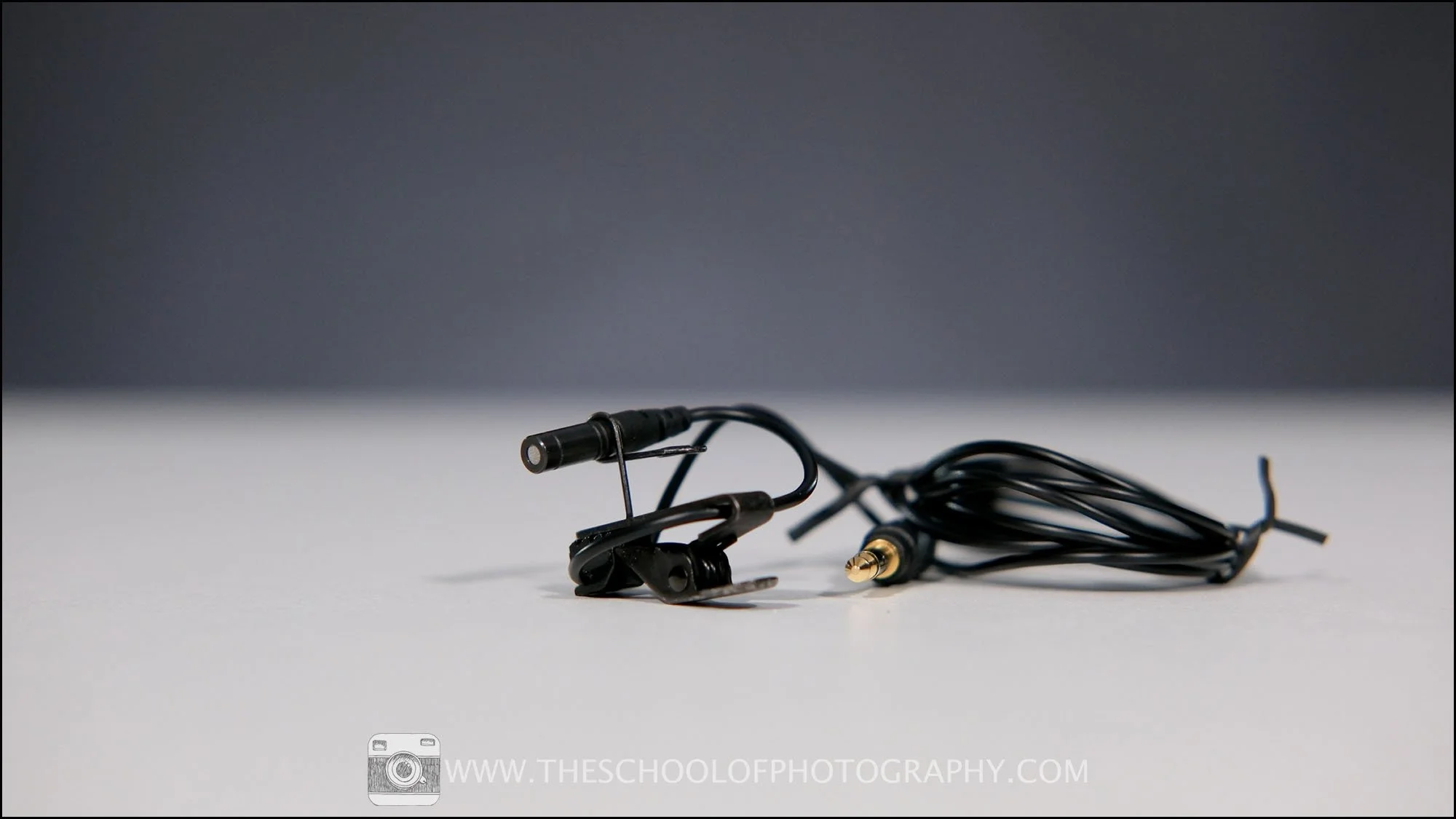
A lavalier microphone is ideal for capturing clear speech, making it perfect for interviews and presentations.
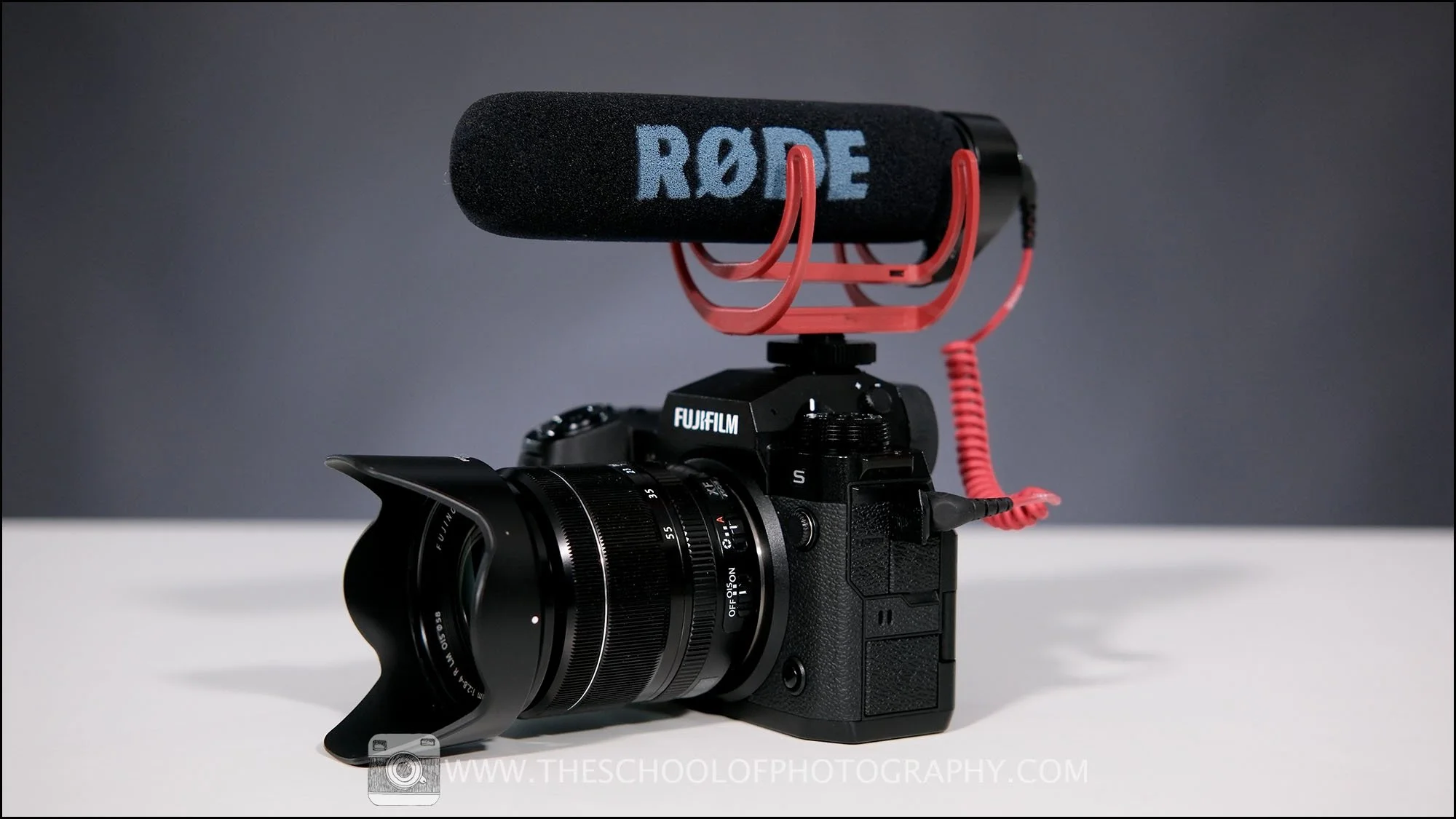
A shotgun microphone captures focused, directional sound, making it ideal for filming subjects with minimal background noise.
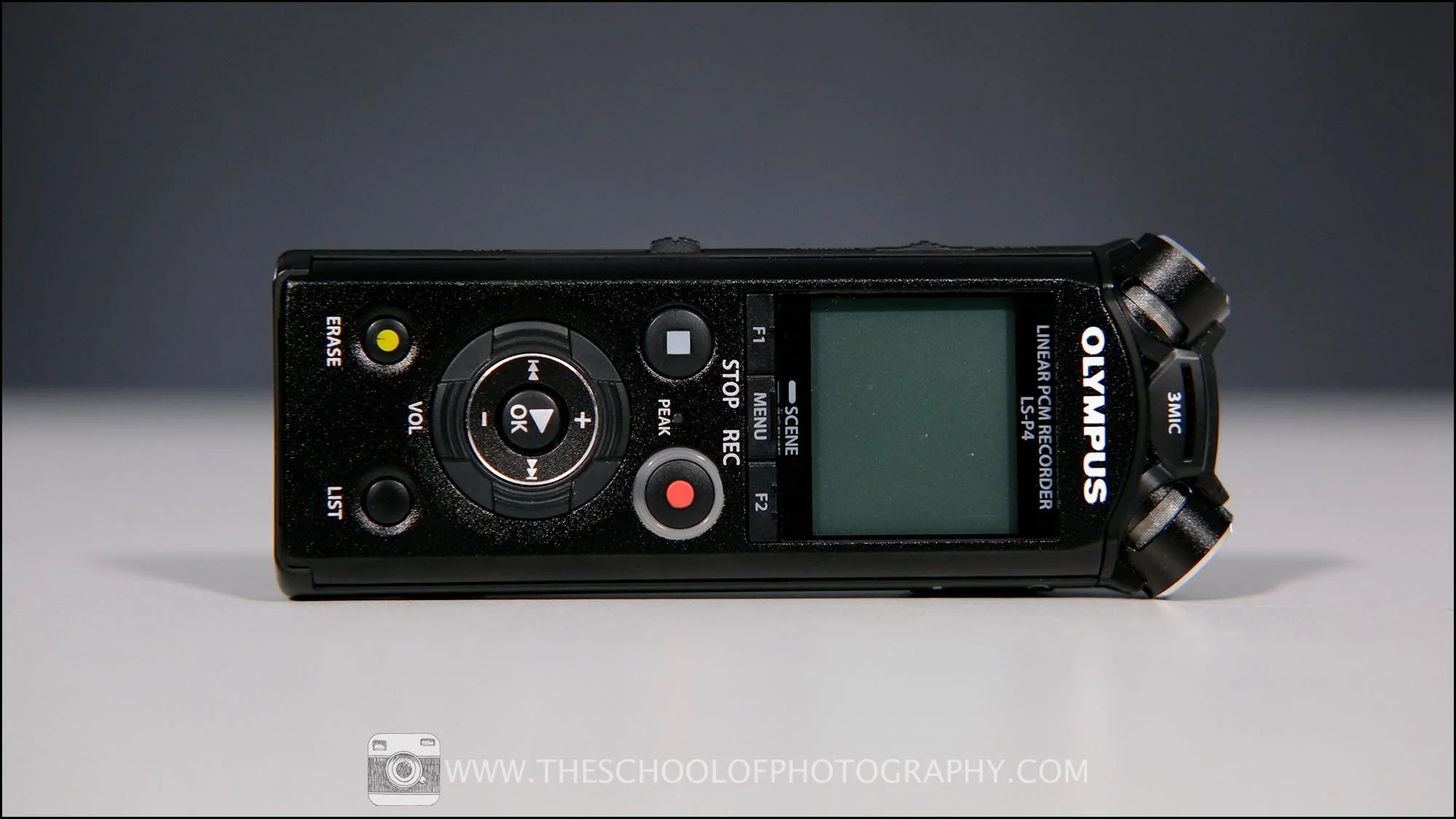
A dedicated microphone or audio recorder ensures clear, professional-quality sound to match your visuals.
Camera Settings Beginners Should Understand
Learning basic camera settings is essential if you want to learn videography properly.
Frame Rate
Frame rate refers to how many frames are captured per second.
Common NTSC frame rates include:
24fps for a cinematic look
30fps for online video
60fps for slow motion or smoother movement
Common PAL Frame rates include:
25fps
50fps
100fps
200fps
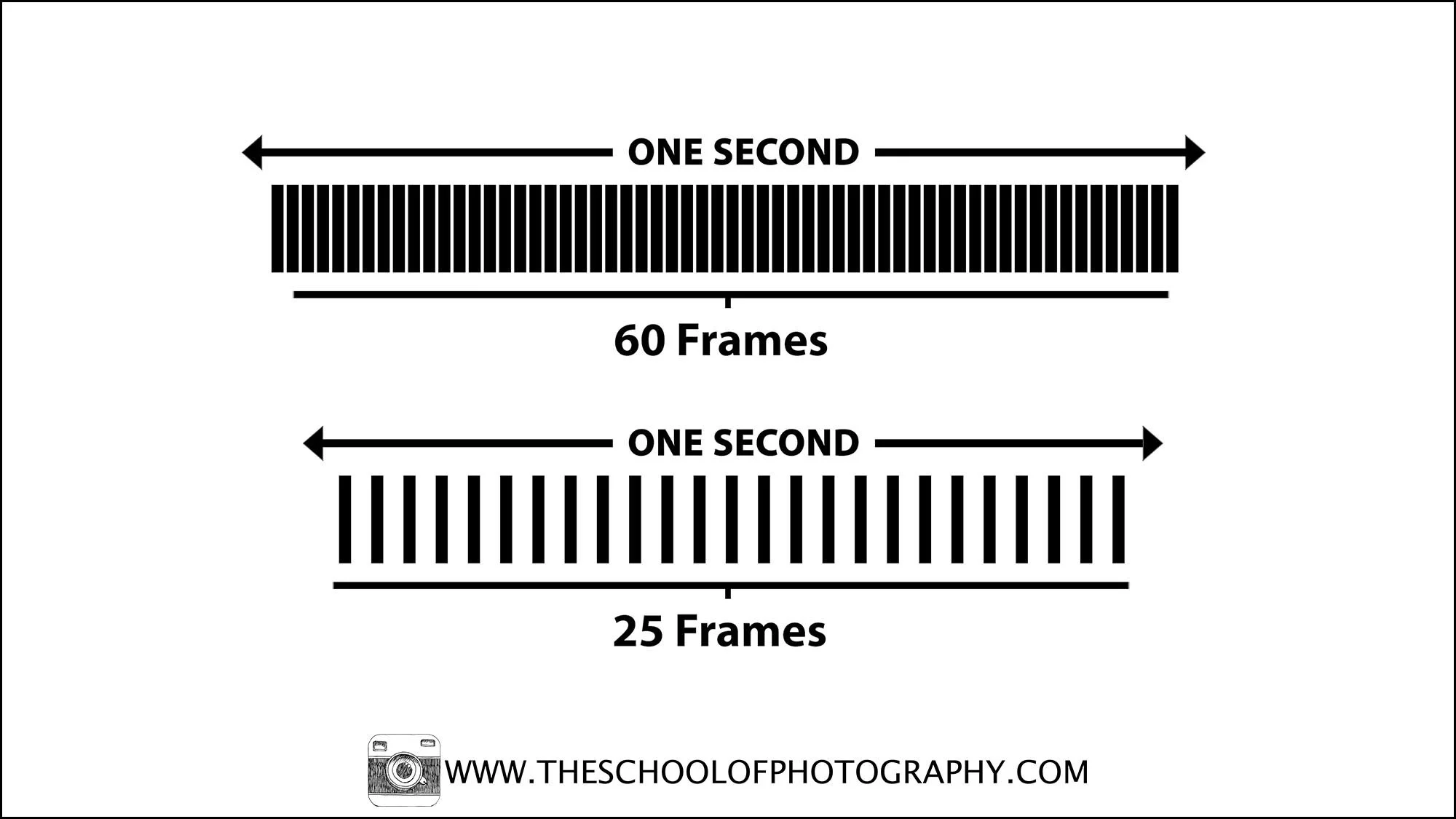
Higher frame rates like 60fps produce smoother motion, while lower frame rates like 25fps create a more cinematic look.
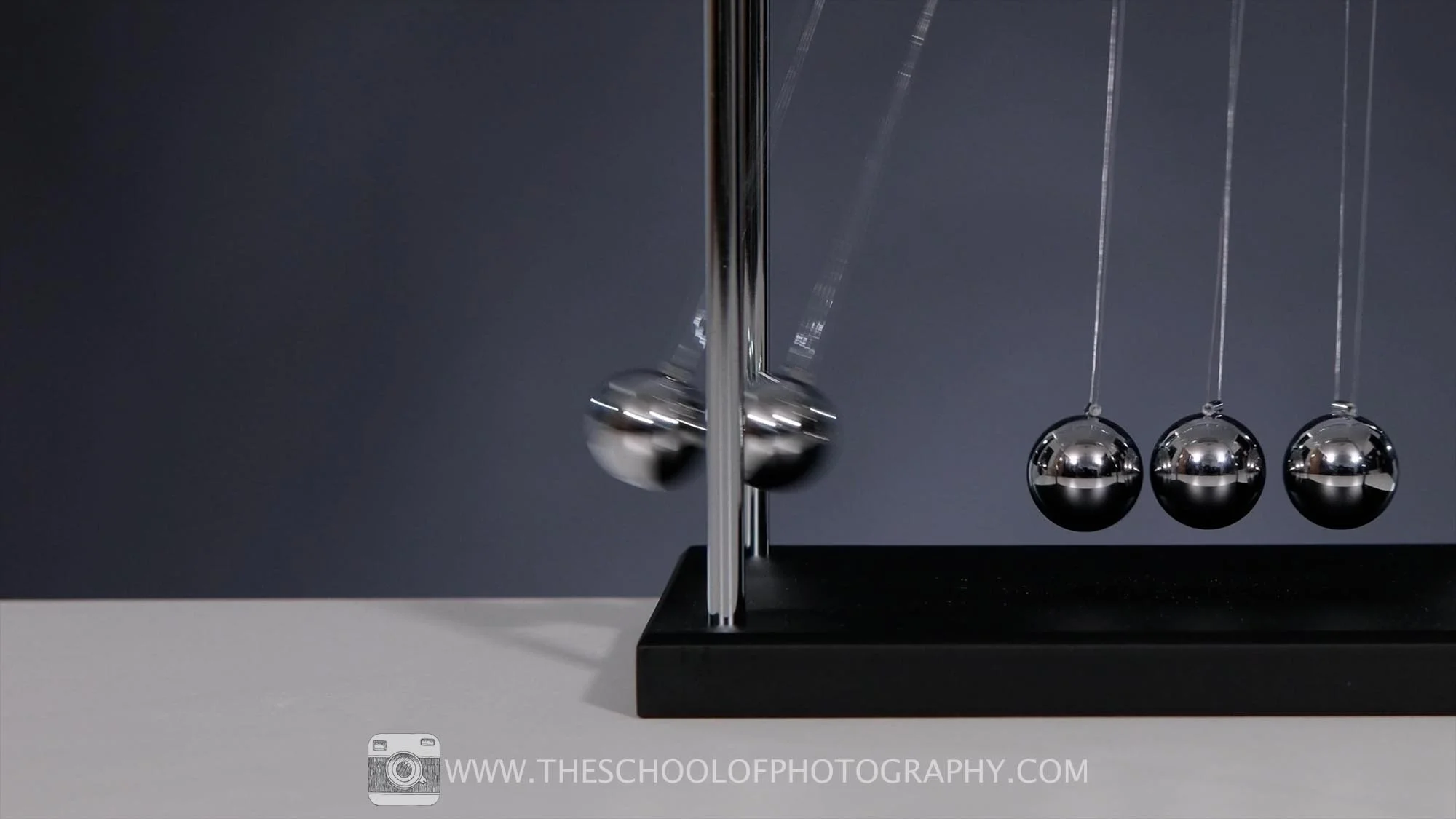
At 25fps with a 1/50th second shutter speed, motion blur appears natural, helping to convey movement and create a cinematic look.
Shutter Speed
Shutter speed controls motion blur in video.
A common rule is:
Shutter speed should be roughly double your frame rate.
For example:
25fps → 1/50 shutter speed
Aperture
Aperture controls depth of field and brightness.
A wide aperture creates a blurred background, which helps subjects stand out.
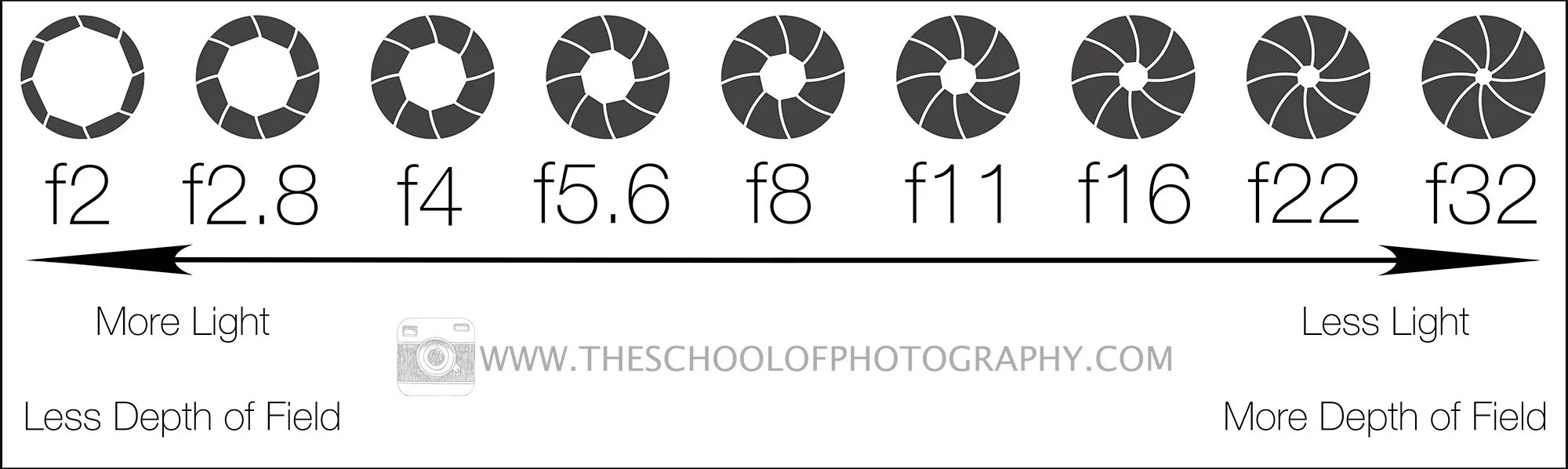
Wider apertures (like f/2) let in more light and create a blurred background, while narrower apertures (like f/32) reduce light and keep more of the scene in focus.
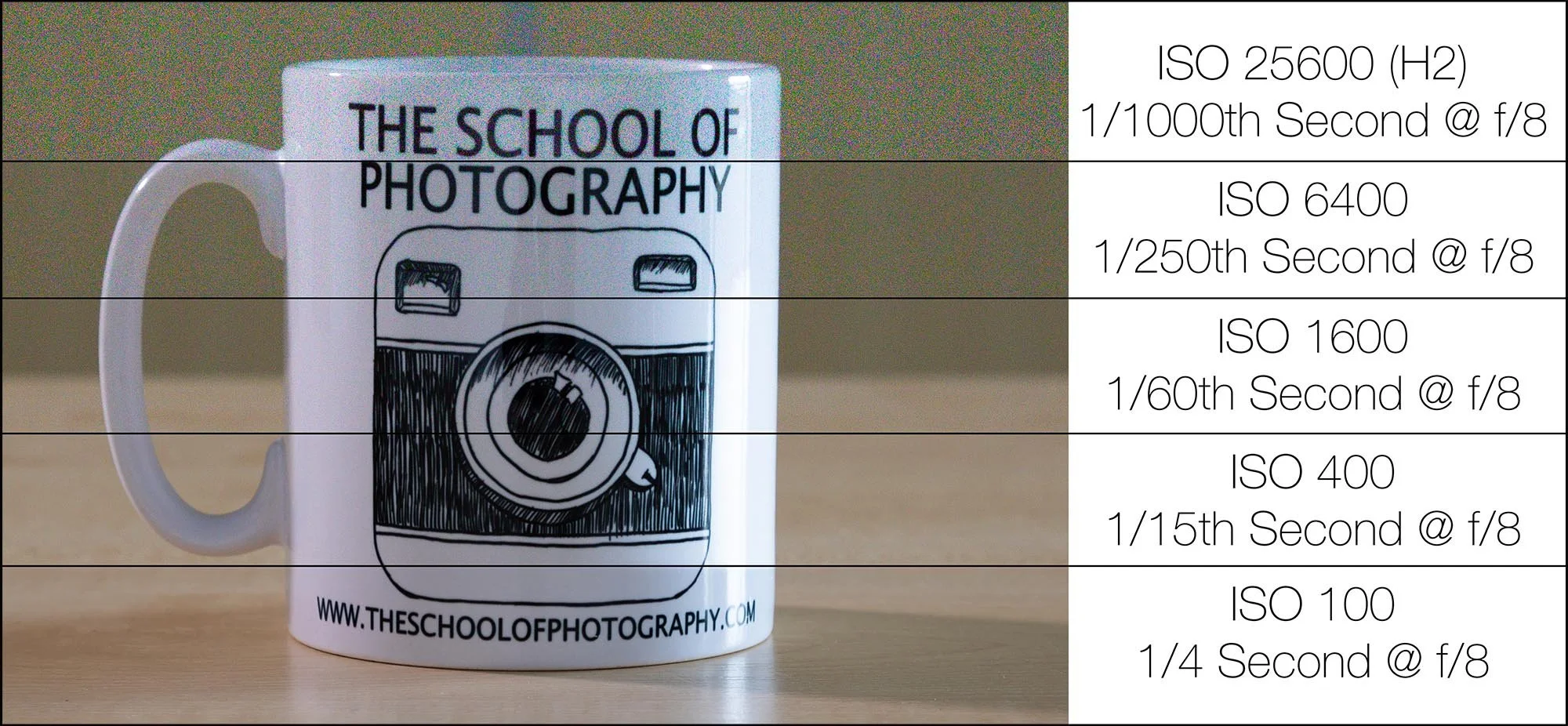
As ISO increases, your camera becomes more sensitive to light—but also introduces more noise, as shown from ISO 100 up to 25600.
ISO
ISO controls image brightness.
Lower ISO values usually produce cleaner video with less noise.
Not sure about camera settings? Enrol in our beginner photography course to master exposure and settings.
Videography Composition Techniques
Good composition helps make videos visually engaging and easier for viewers to follow.
Rule of Thirds
The most common composition is the rule of thirds. This divides the frame into a grid and places subjects along key lines or intersections to create balanced compositions.
Other composition techniques include:
Click the links for more info.
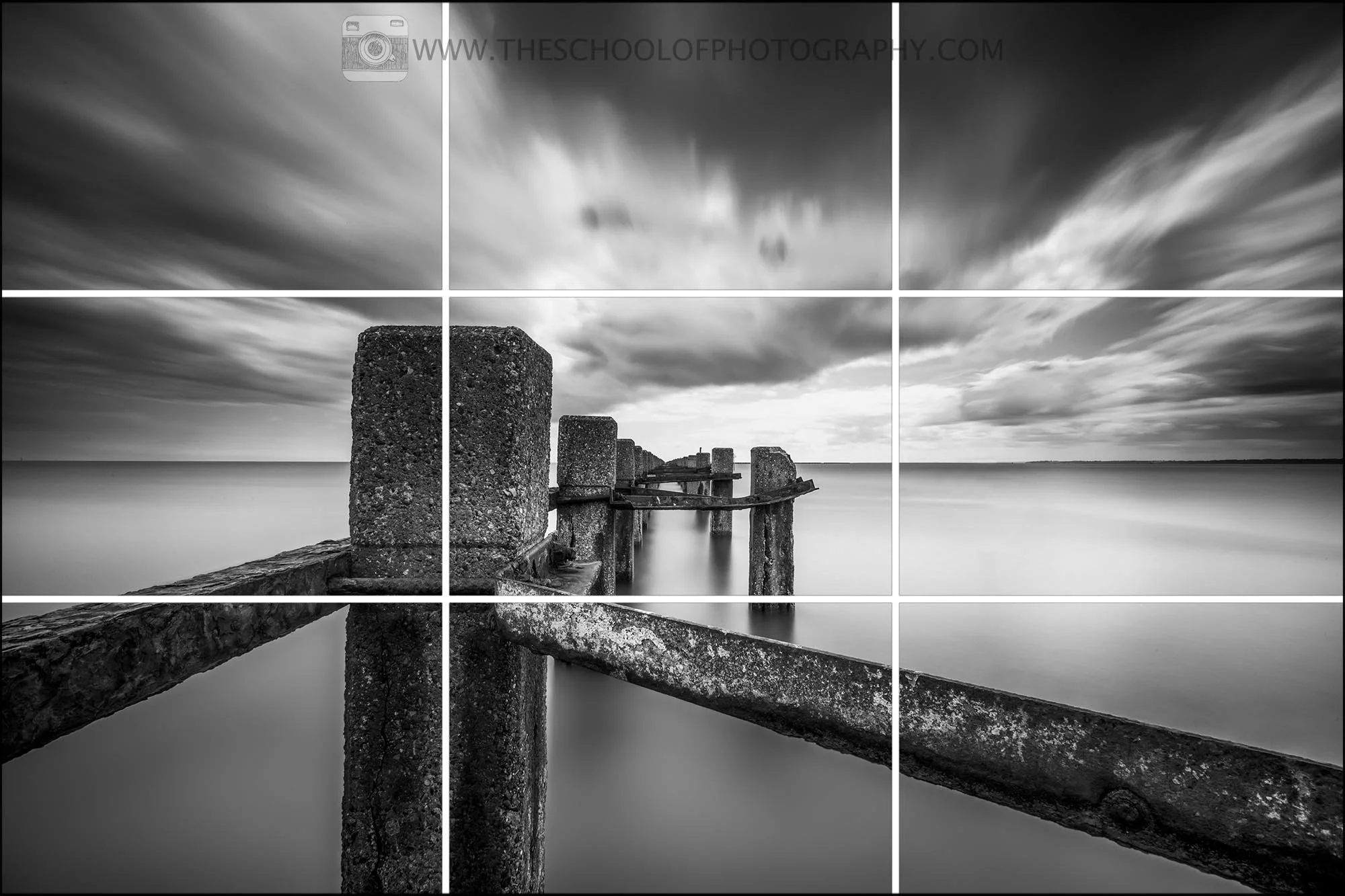
Using the rule of thirds grid helps position key elements off-centre, creating a more balanced and visually engaging composition.
Use a Variety of Shots
Professional videos use multiple shot types:
Wide shots
Medium shots
Details
Combining different shots helps maintain viewer interest.
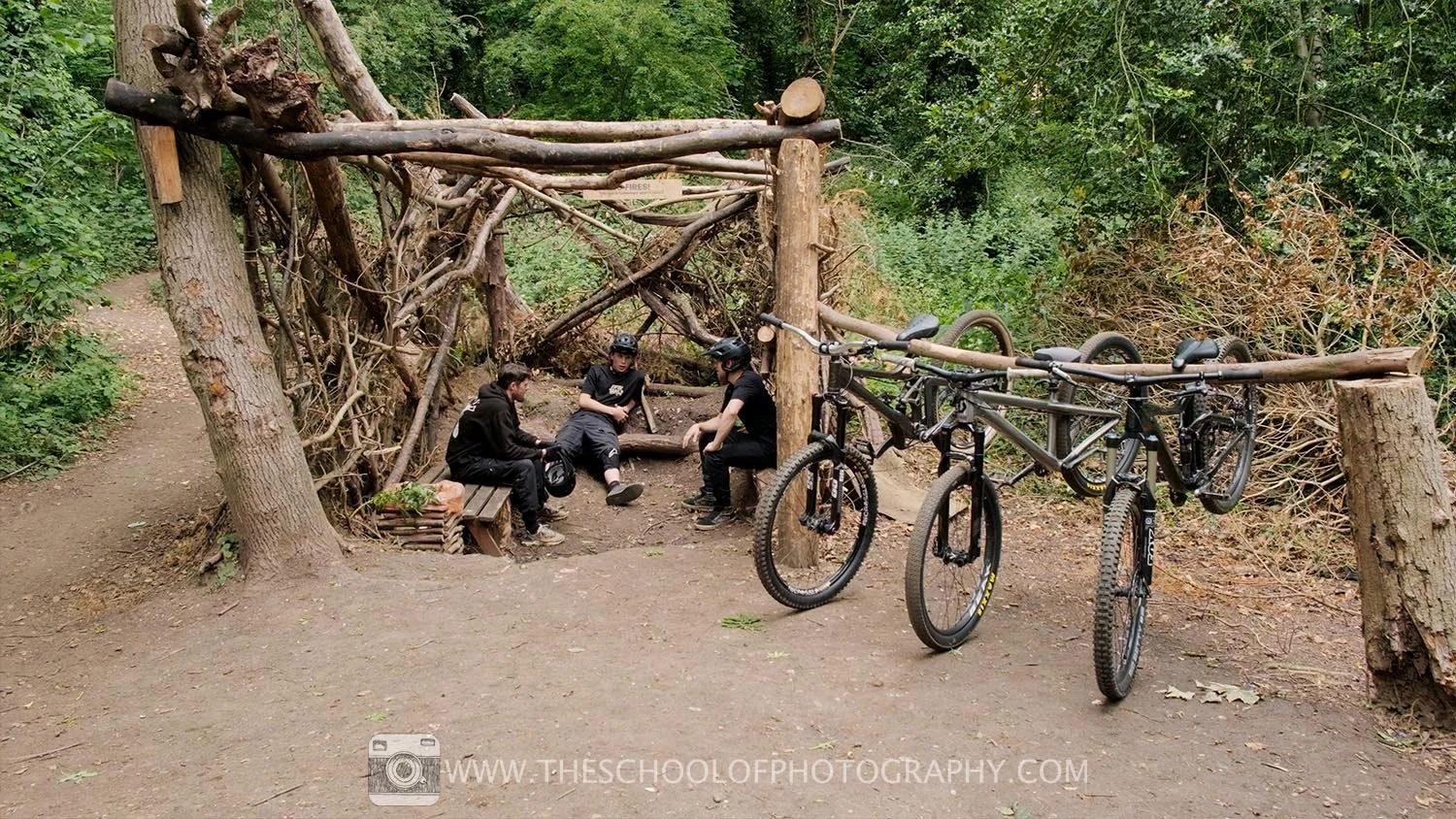
Wide shots establish the scene, giving context and showing the environment your story takes place in.
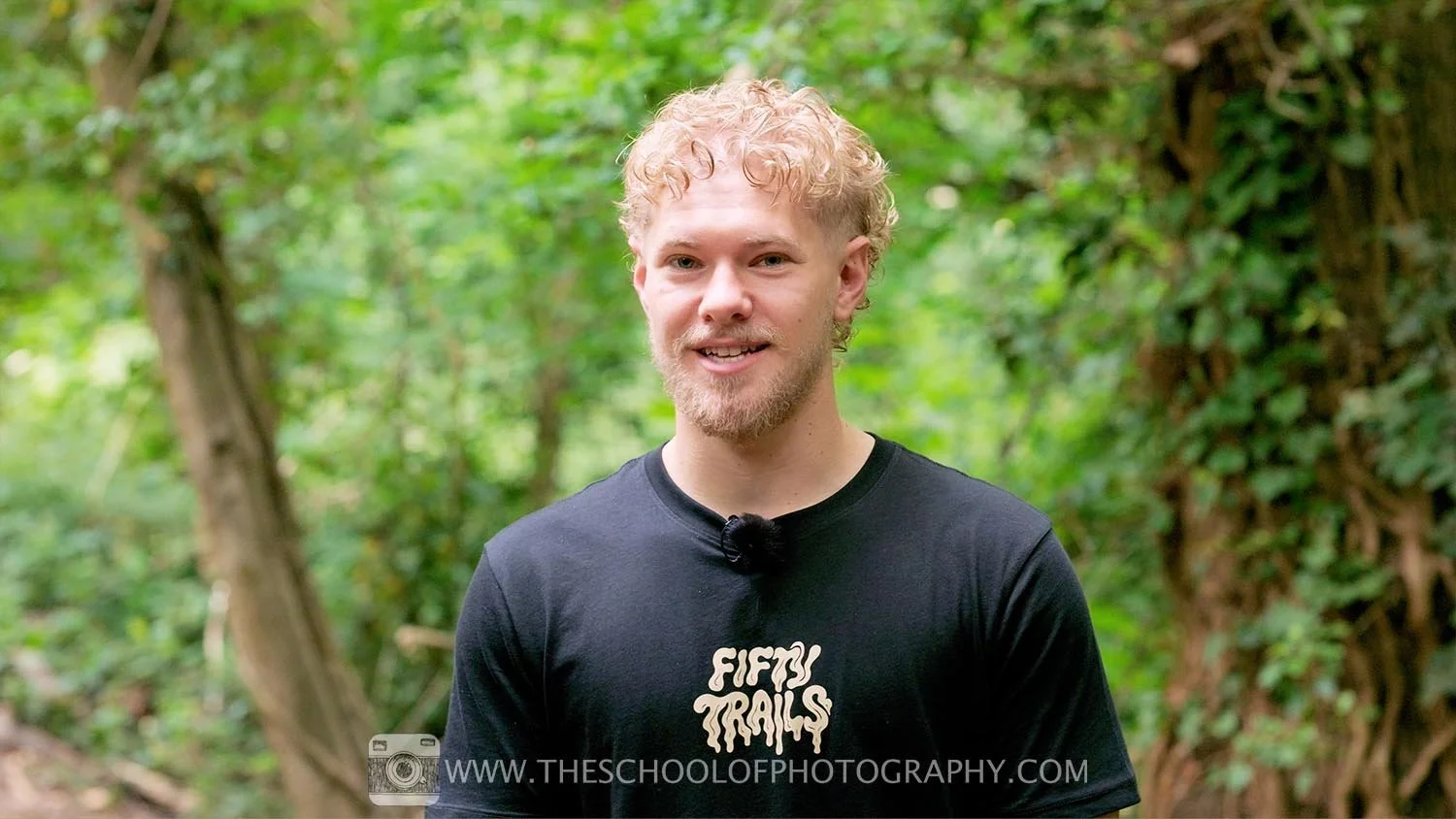
Medium shots focus on your subject while still showing some background, making them ideal for interviews and talking-to-camera scenes.
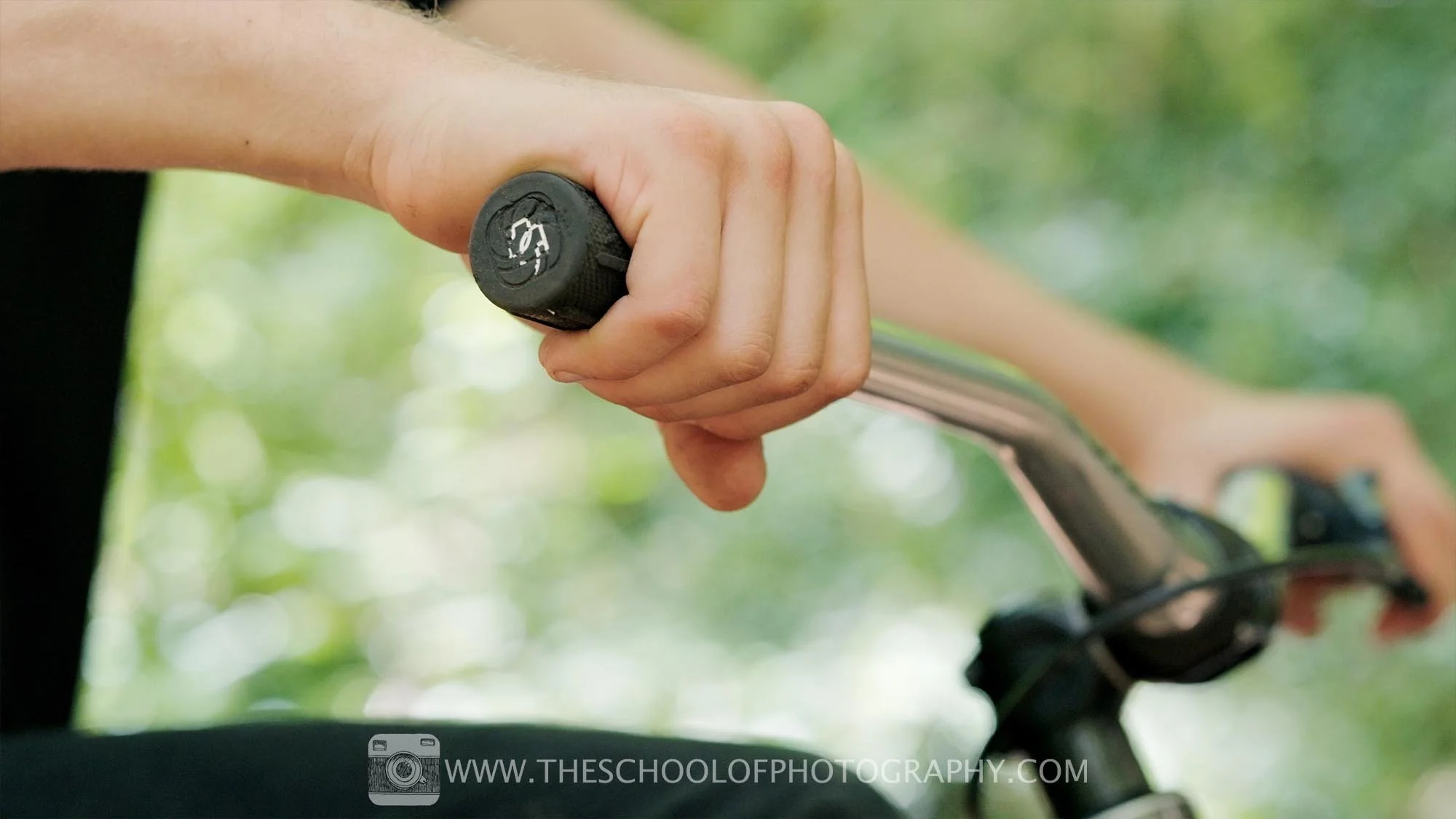
Detail shots like this add variety to your footage, helping to tell a richer and more engaging visual story.
Camera Movement Techniques
Camera movement adds energy and storytelling to videos.
Common movements include:
Pan – moving the camera left or right
Tilt – moving the camera up or down
Tracking shot – following a subject
Handheld movement – more dynamic footage
Practising smooth and controlled movement improves the cinematic feel of your videos.
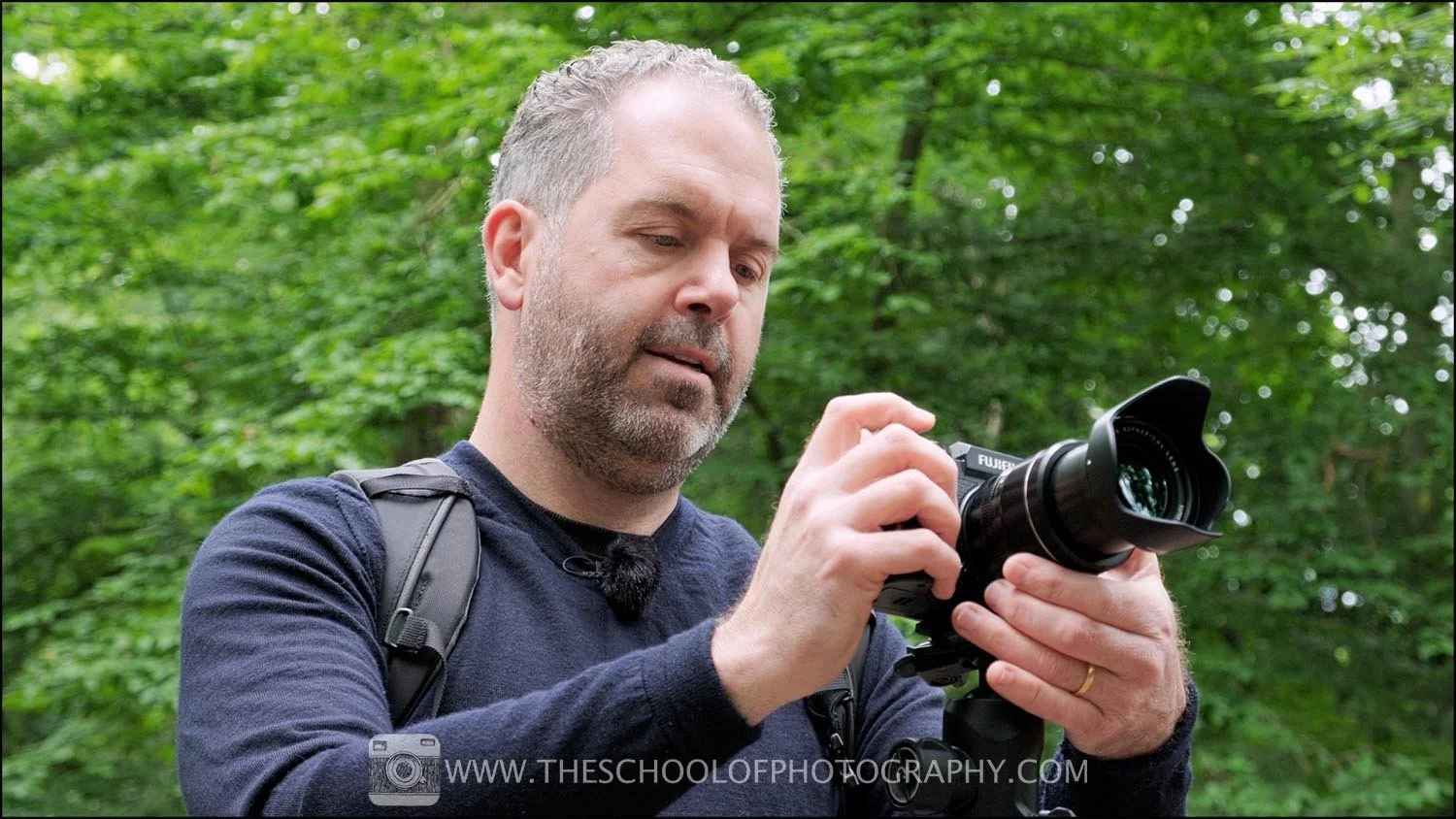
Practising camera movement techniques helps you create smoother, more dynamic and professional-looking footage.
Lighting
Lighting has a huge impact on how your video looks.
Beginners can start with:
Natural window light
LED lights
Softboxes
Reflectors
Good lighting helps create depth, clarity, and mood in your videos.
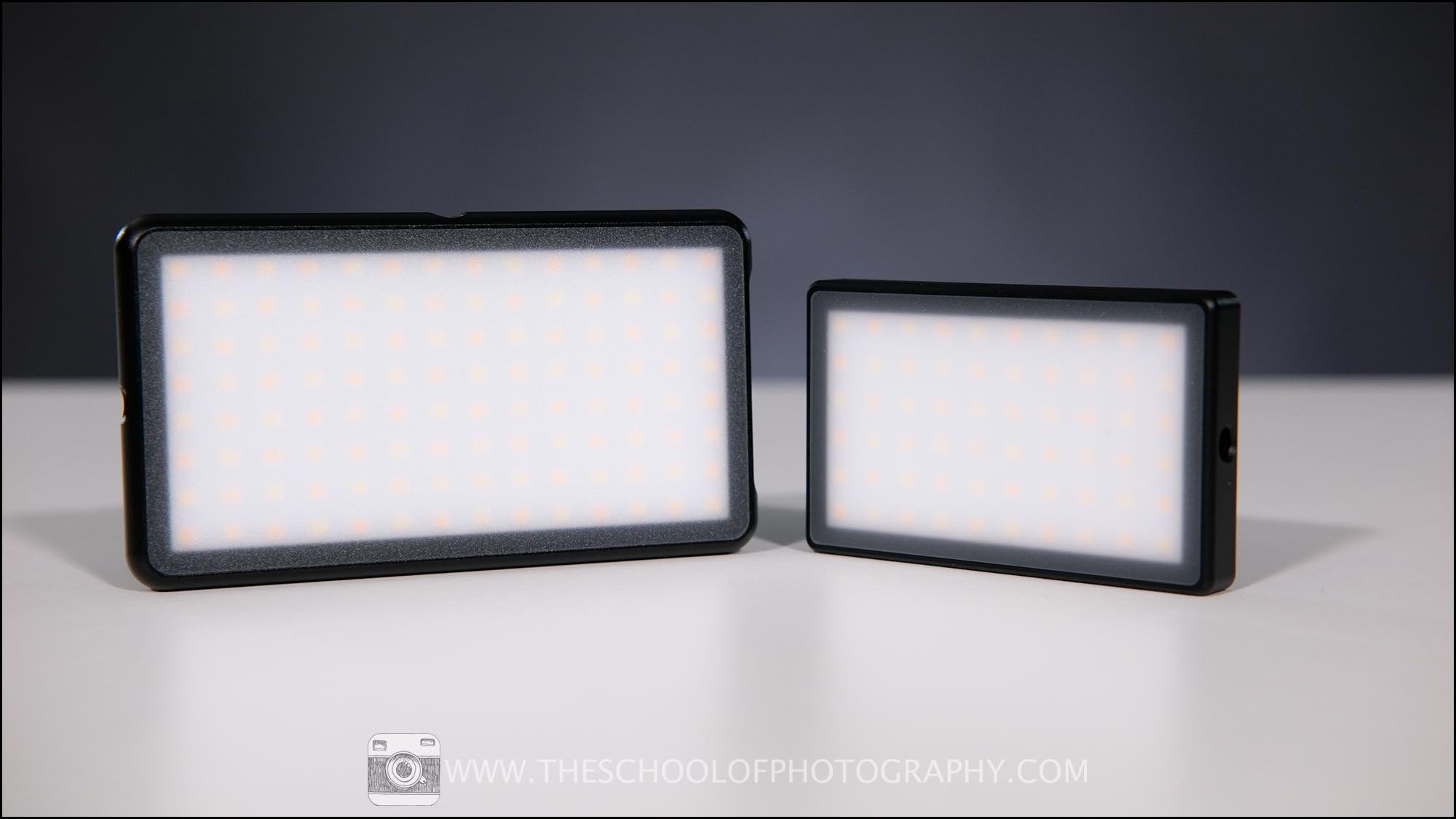
LED panel lights offer portable, consistent lighting, helping you achieve well-lit and professional-looking shots.
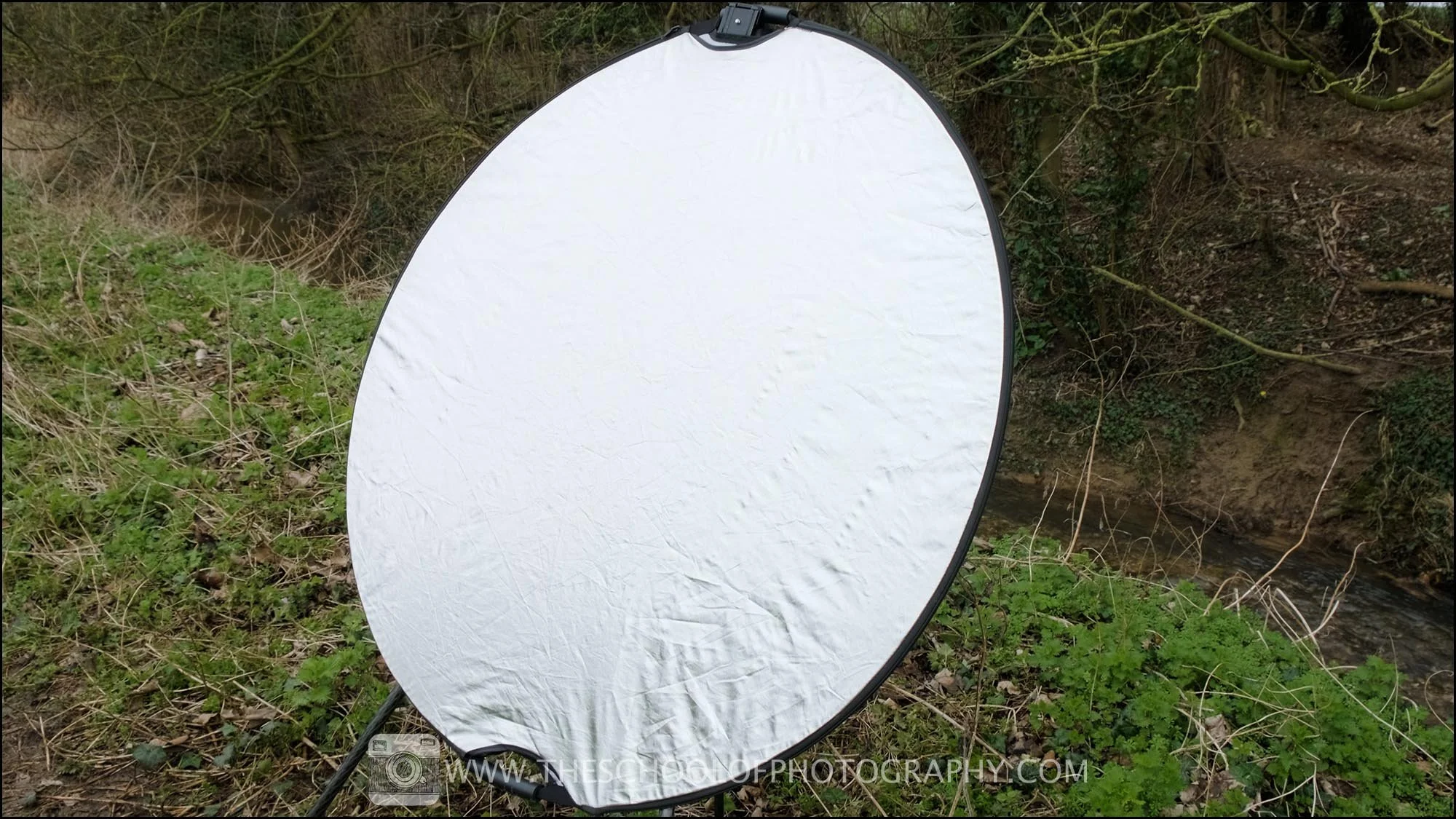
A reflector helps control and enhance natural light, making your subject brighter and more evenly lit.
Lighting Basics for Videography
Lighting shapes the mood and clarity of a video.
Three-Point Lighting
This classic lighting setup uses:
Key light
Fill light
Back light
It helps separate the subject from the background and creates depth.
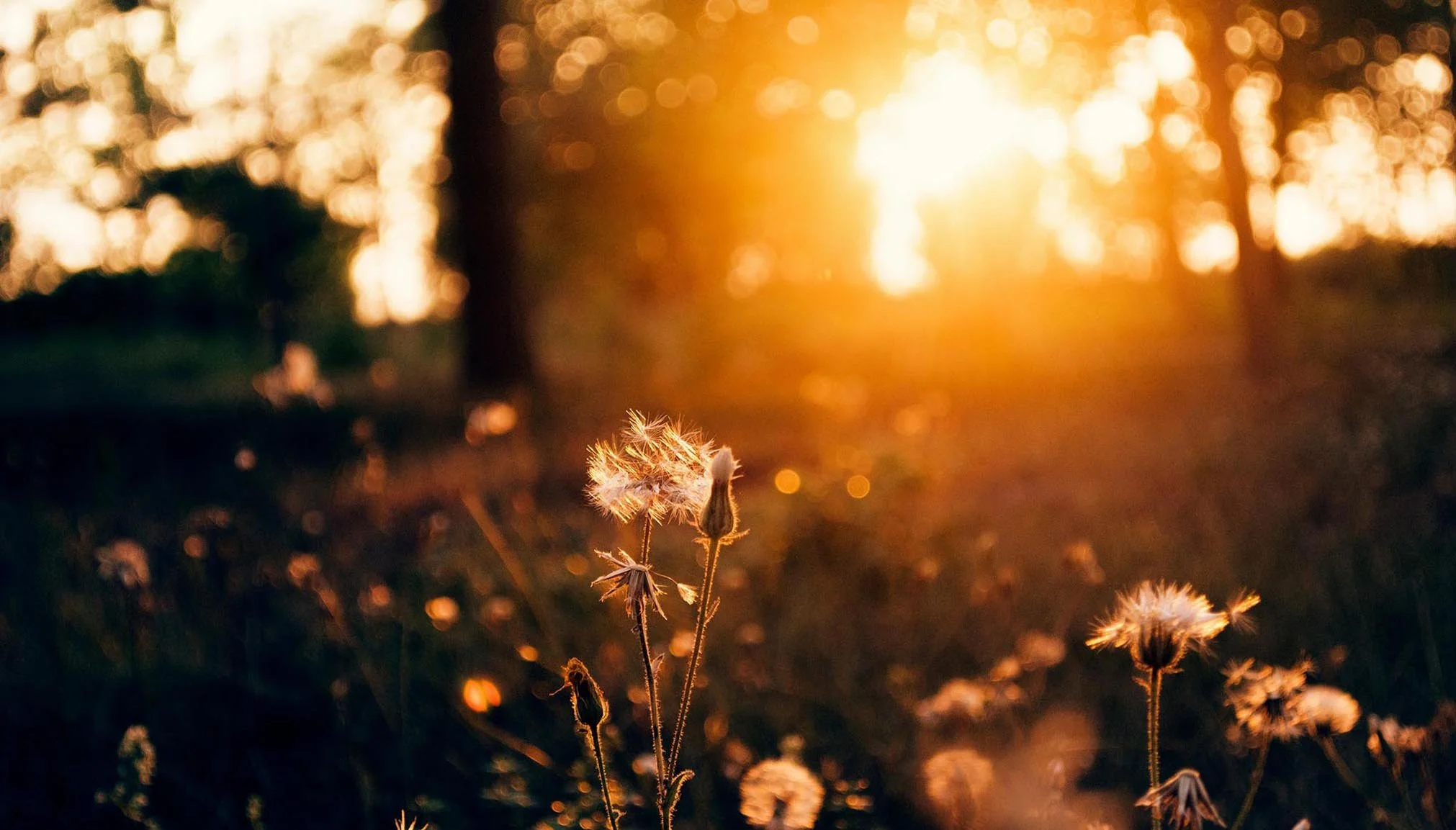
Natural light, especially during golden hour, creates soft, warm tones that enhance mood and add depth to your images.
Natural Light
Natural light can produce beautiful results, especially during early morning or late afternoon when the light is softer.
Natural Light Photography: A Complete Guide to Shooting with Available Light.
Video Editing Basics
Editing is where raw footage becomes a finished video.
During editing you will:
Cut unwanted clips
Adjust pacing
Add music or sound effects
Colour correct footage
Add transitions or titles
Editing software commonly used by videographers includes:
Adobe Premiere Pro
Final Cut Pro
DaVinci Resolve
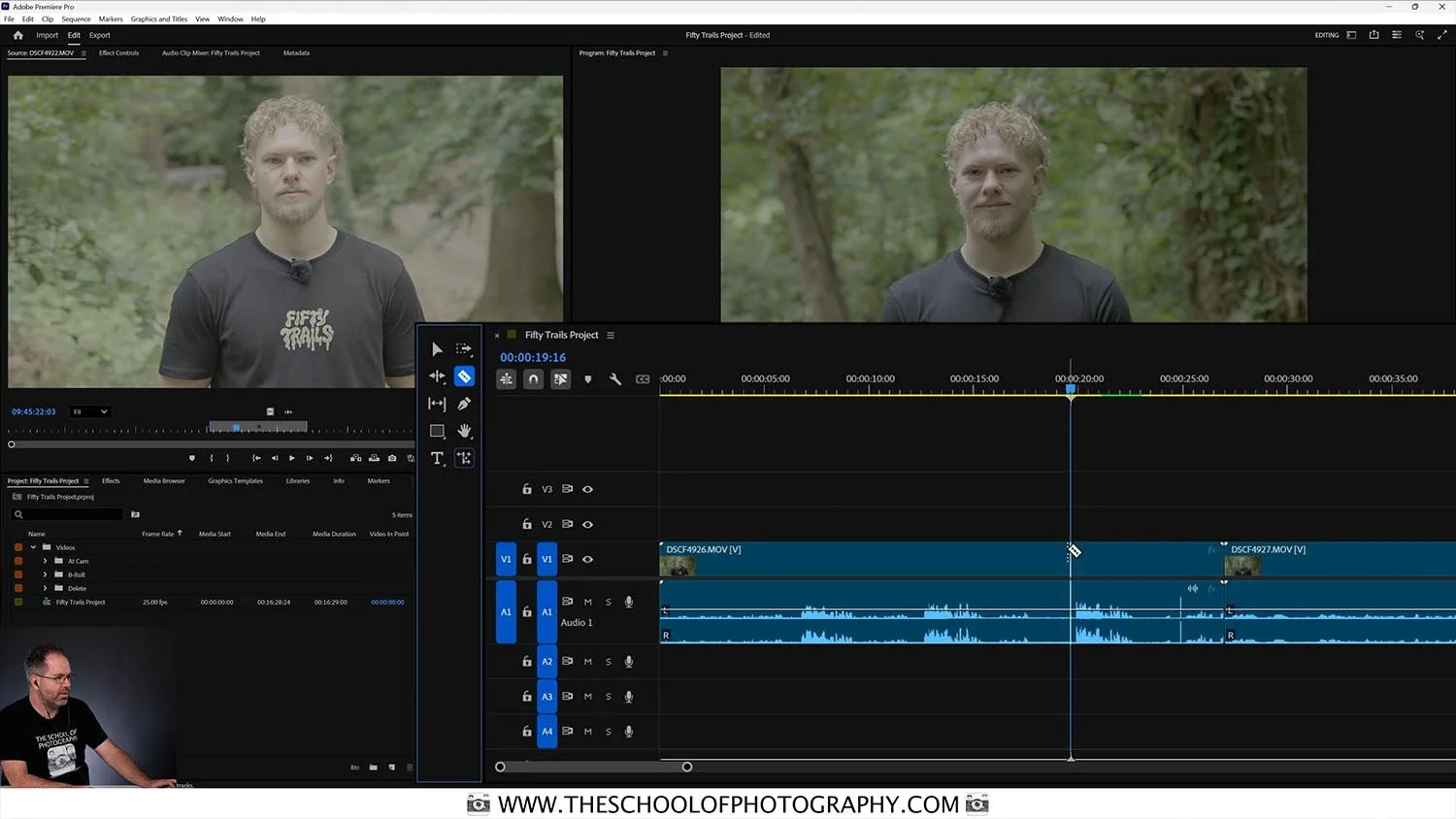
Editing allows you to refine your story—cutting clips and arranging footage to create a smooth, engaging final video.
How to Improve Your Videography Skills Faster
If you want to learn videography quickly, focus on practice and experimentation.
Helpful tips include:
Filming regularly
Studying professional videos
Practising camera settings
Learning basic editing techniques
Experimenting with different shot types
Over time, these habits will help you develop stronger videography skills and a better understanding of visual storytelling.
Final Thoughts
Learning videography is an exciting creative journey that combines technical skills with storytelling.
By understanding the fundamentals — including equipment, camera settings, composition, lighting, and editing — beginners can quickly start producing high-quality video content.
The key is to keep filming, keep experimenting, and continue learning from every project you create.
Frequently Asked Questions About Learning Videography
How do beginners learn videography?
Beginners learn videography by understanding the fundamentals of photography, practising composition, and learning simple filming techniques. Start by using a camera or smartphone to record short videos while experimenting with lighting, framing, and movement. Editing your footage and reviewing what works well will help improve your videography skills over time.
Learn Videography with our full in-depth course here.
What equipment do I need to learn videography?
To learn videography, beginners typically need a mirrorless or dslr camera or smartphone capable of recording video, a tripod for stability, and a basic microphone for better audio. Good lighting is also important, but many beginners start by using natural light before investing in additional equipment.
Can I learn videography by myself?
Yes, many people learn videography independently through practice, tutorials, and experimentation. Watching professional videos, studying filming techniques, and practising regularly can help beginners develop strong videography skills.
But to learn videography properly it is recommended to use structured learning resources to help speed up the process, get accurate knowledge and build confidence.
Is videography difficult to learn?
Videography can seem complex at first because it combines several skills, including camera operation, lighting, audio recording, and editing. However, beginners can quickly improve by learning the basic principles and practising regularly. With consistent practice, videography becomes easier and more intuitive over time.
How long does it take to learn videography?
The time it takes to learn videography depends on how often you practise. Many beginners develop basic filming skills within a few months, while mastering advanced techniques can take years. Regular practice and studying professional work can help accelerate the learning process. To speed up the process of learning videography it is recommended you take a structured course.
Do I need an expensive camera to learn videography?
No, you do not need an expensive camera to learn videography. Many beginners start with a smartphone or entry-level camera. Learning how to use lighting, composition, and camera settings effectively is far more important than owning expensive equipment when starting out.
What skills are needed to become a videographer?
Key videography skills include knowing the fundamentals of photography, correct camera operation, composition, lighting, audio recording, storytelling, and video editing. A good videographer also understands how to plan shots and organise footage to create engaging visual narratives.
What is the best way to improve videography skills?
The best way to improve videography skills is through regular practice. Filming different subjects, experimenting with camera settings, and analysing professional videos can help beginners develop stronger techniques. Editing your own footage and learning from mistakes also plays an important role in improving.
I hope you liked our Learn Videography blog, if you did, please leave us a comment, and support us by sharing it with your friends and subscribe to our newsletter at the bottom of this page for more.
We also have an excellent learning community on social media so please join us there as well.
Thanks for watching and remember – Learn more at The School of Photography.


